
Database
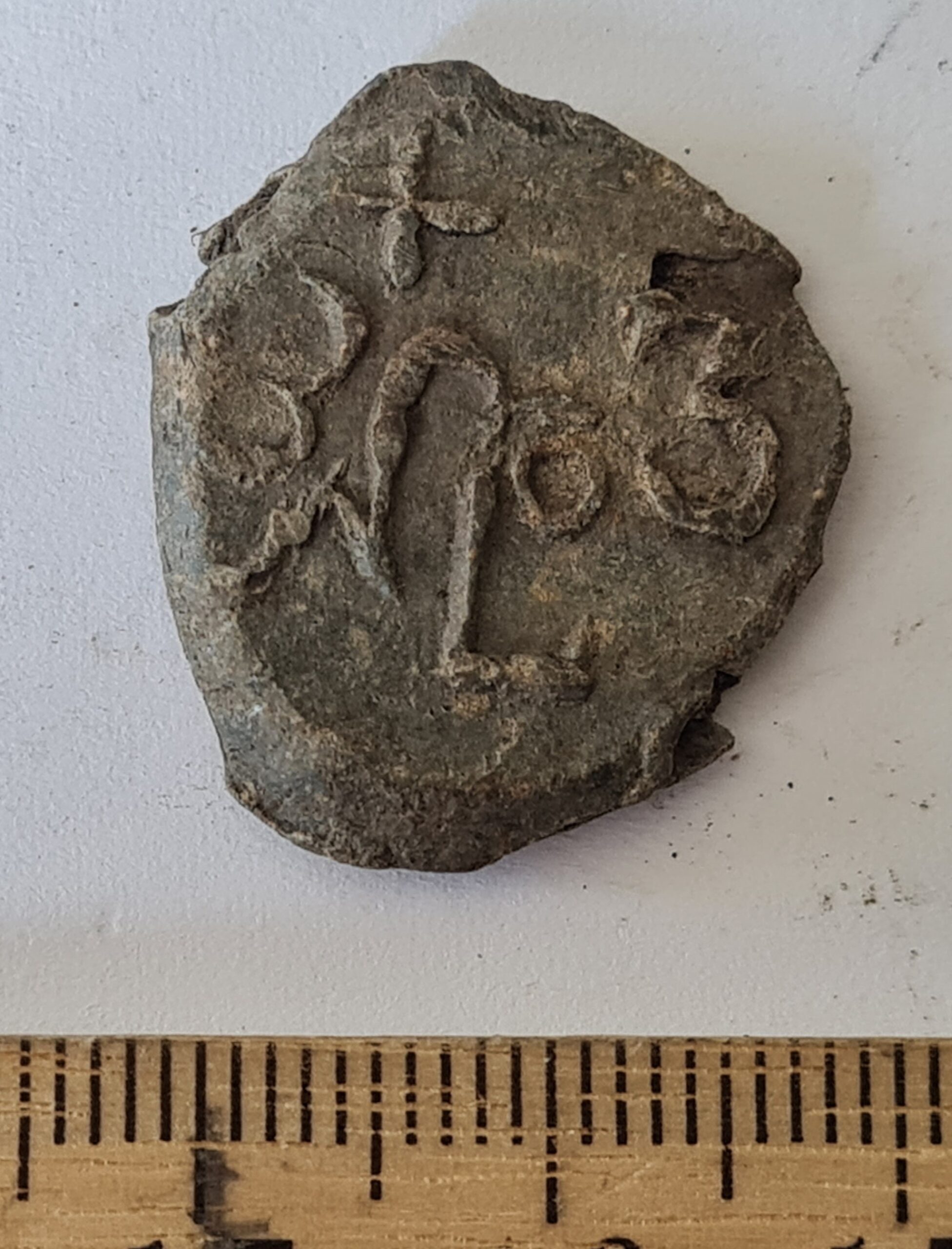
Trade seal.
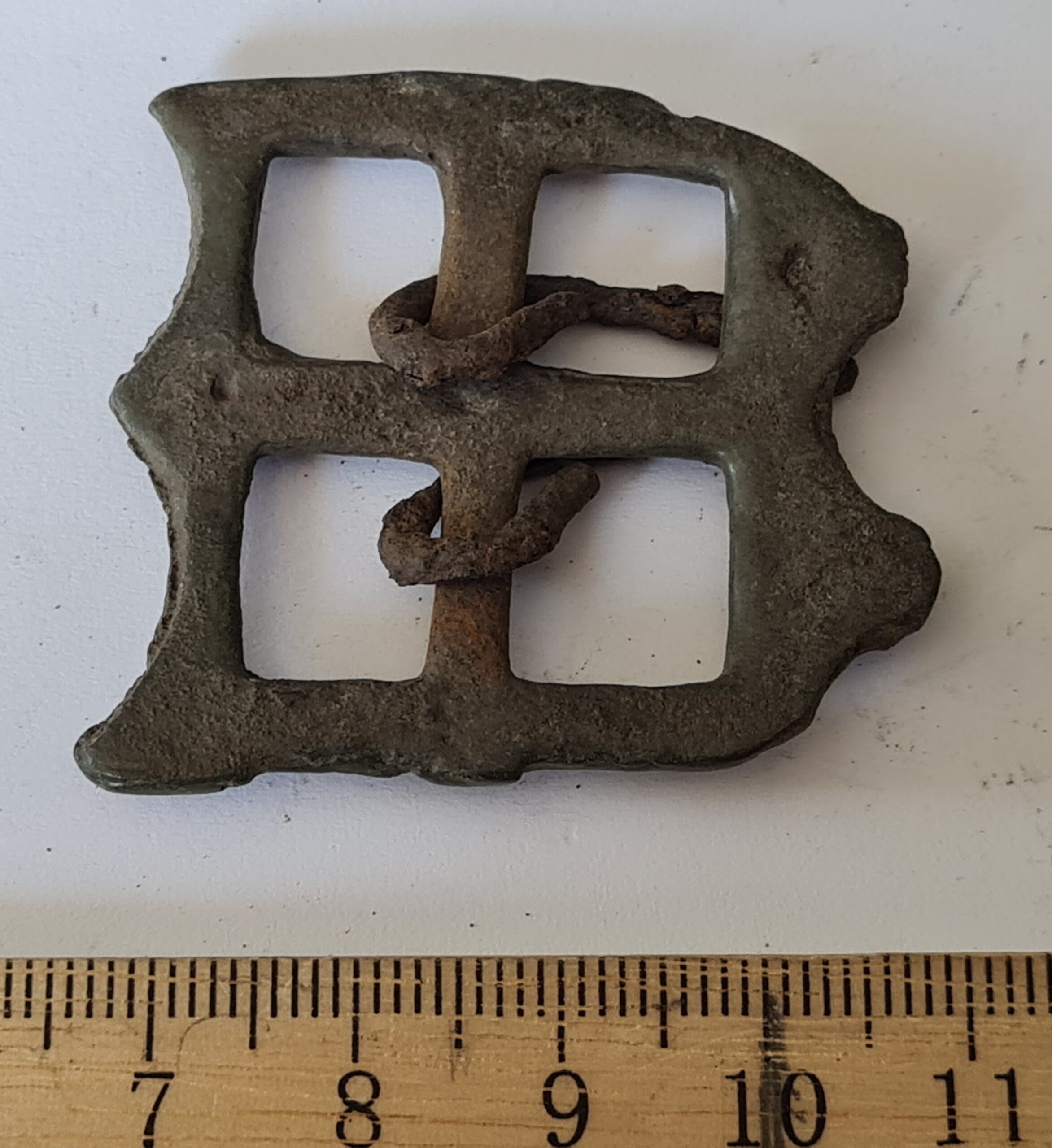
Buckle, copper alloy.
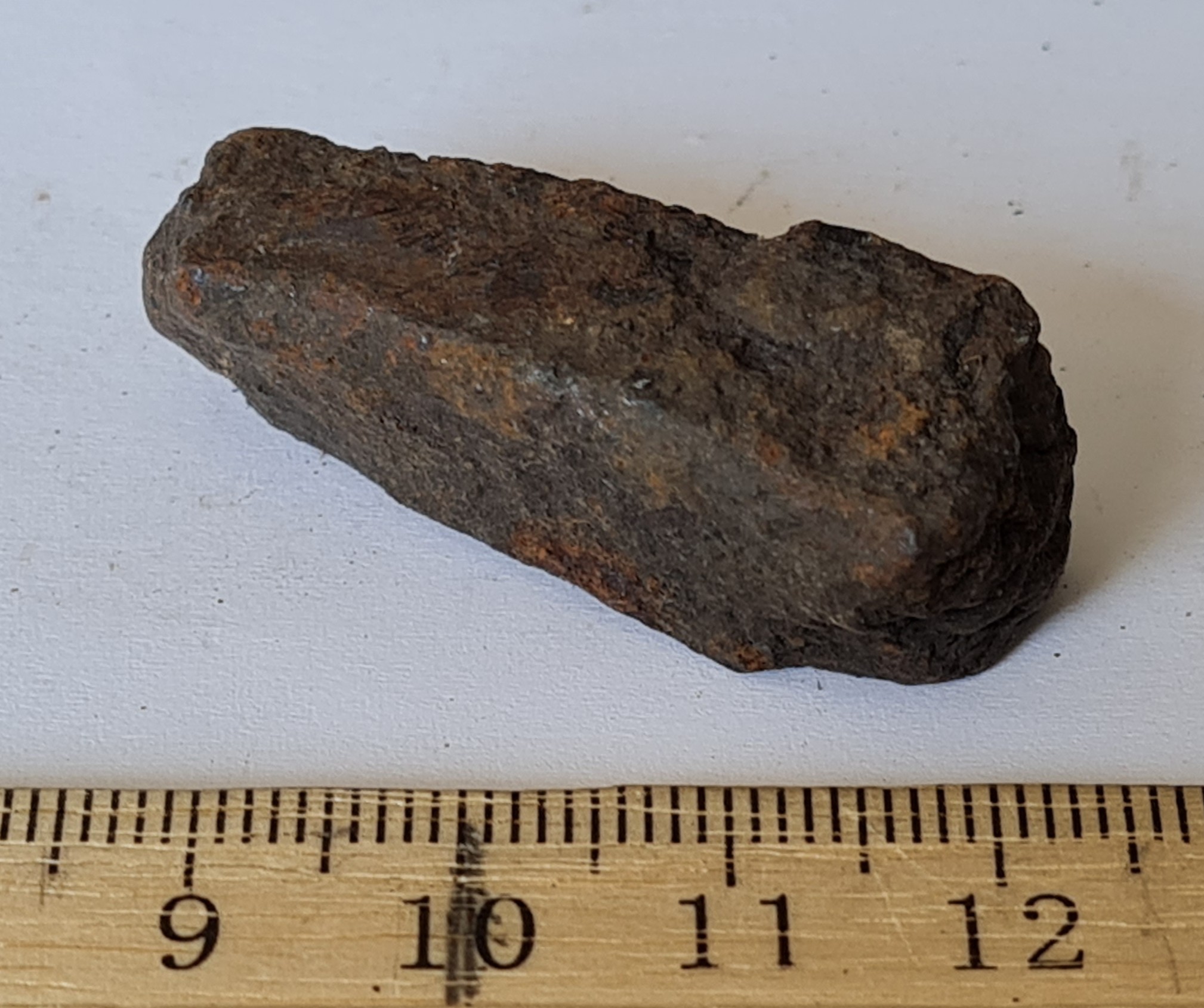
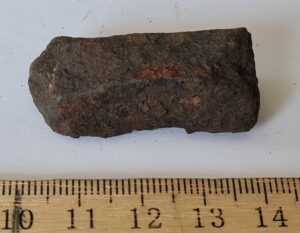
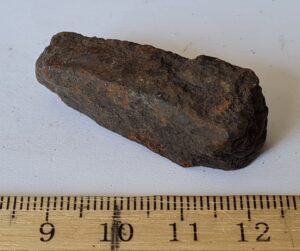
Fragment of iron artefact. With a square cross-section, one end slightly narrowing.
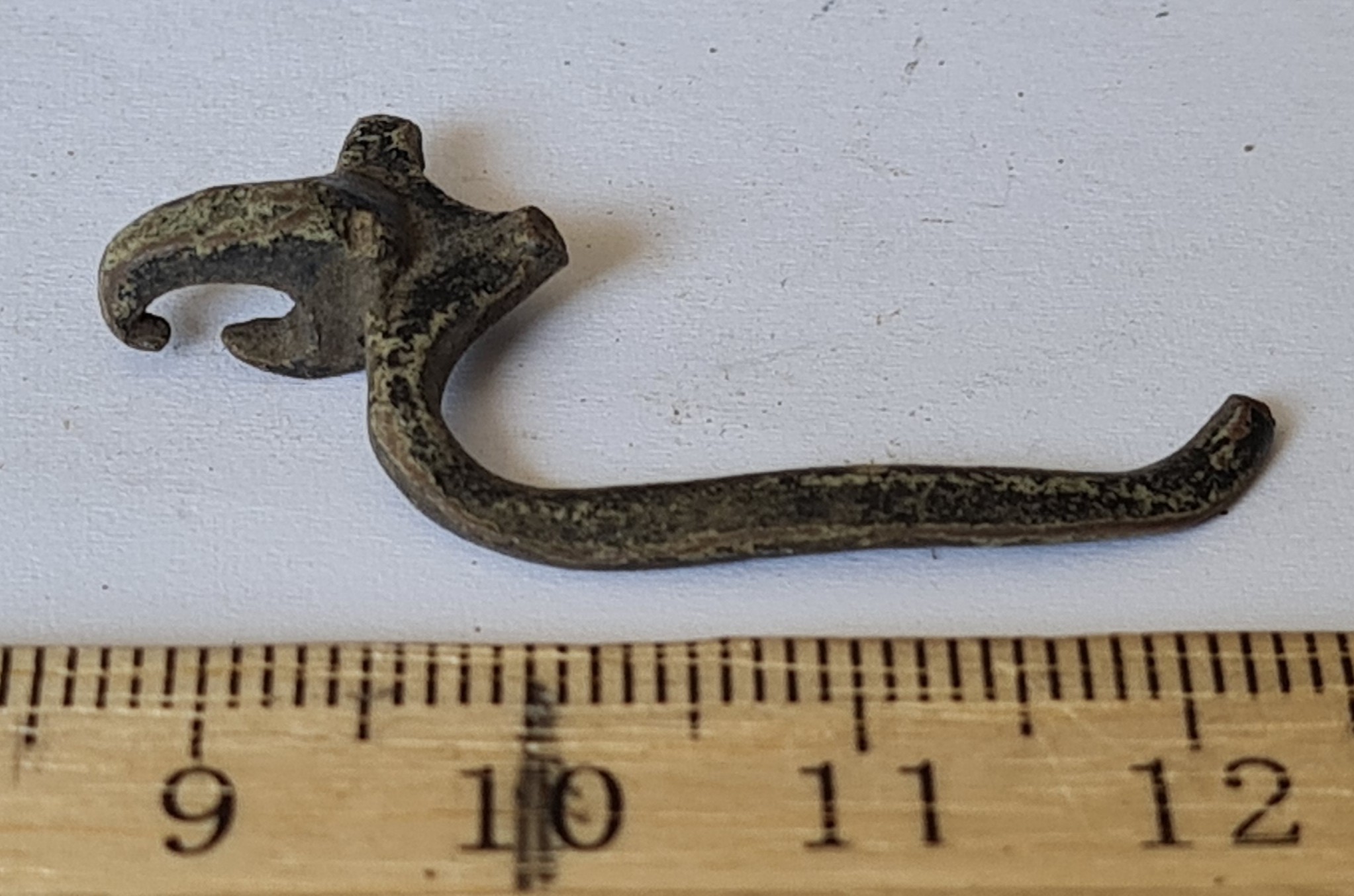
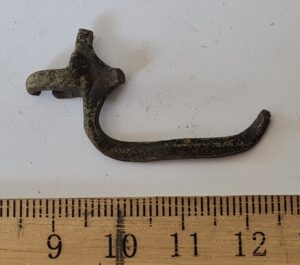
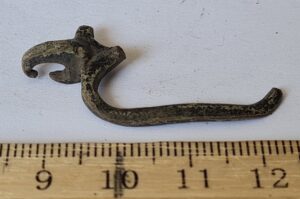
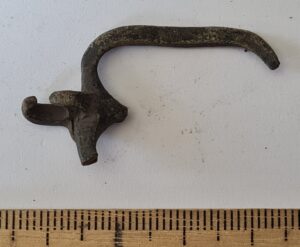
Belt decoration, copper alloy. From the 17th-18th century (e.g. Vedru et al 2011).
Vedru, G., Kadakas, V., Unt. A. & Toos, G. 2011. Archaeological salvage excavations on the cemetery of Aranküla, Raplamaa. – AVE 2010, 219-224.
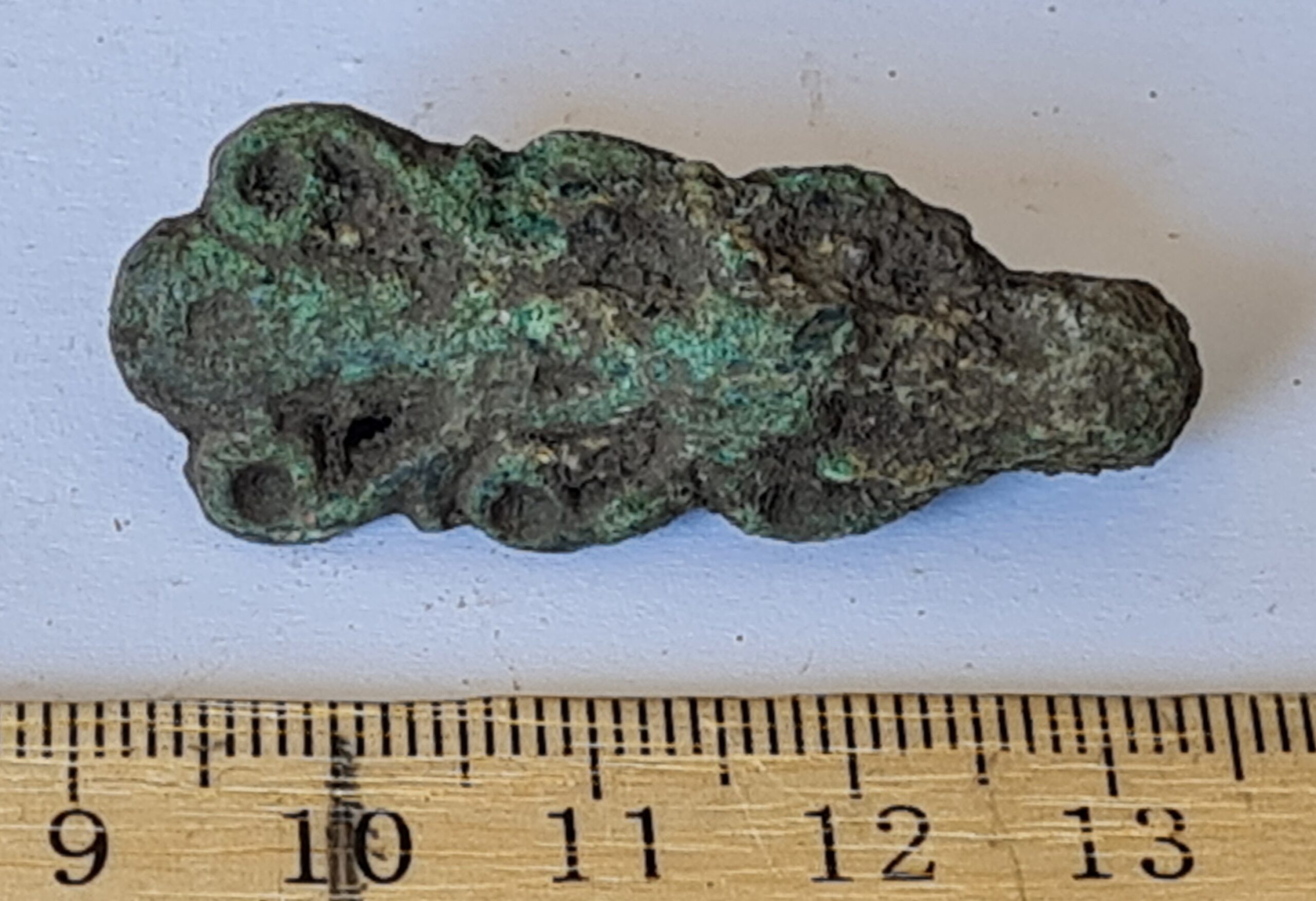
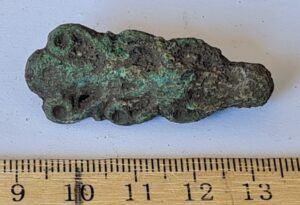
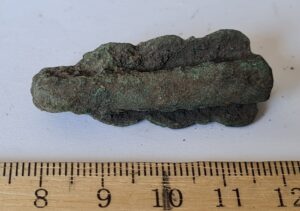
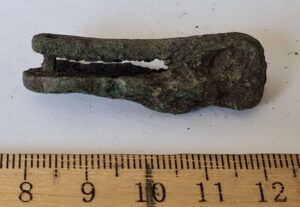
Animal style joining mount, copper alloy. Such examples are very widespread in the material from the coastal regions of Estonia, Finland, and Latvia (Jets 2012, 166-178). They belong predominantly to the 11th–12th centuries, although they may have appeared already in the late 10th century. Individual strap-ends of this type have also been found in 13th-century inhumation burials; however, in those contexts they are likely older objects than the rest of the grave goods (nt. Mandel 2017, 39, tahv. X).
Jets, I. 2012. Scandinavian Late Viking Age art styles as a part of the visual display of warriors in 11th century Estonia. – Estonian Journal of Archaeology, 16: 2, 118–139.; Mandel, M. 2017. Maidla muinaskalmistu saladused. Eesti Ajaloomuuseum, Tallinn.
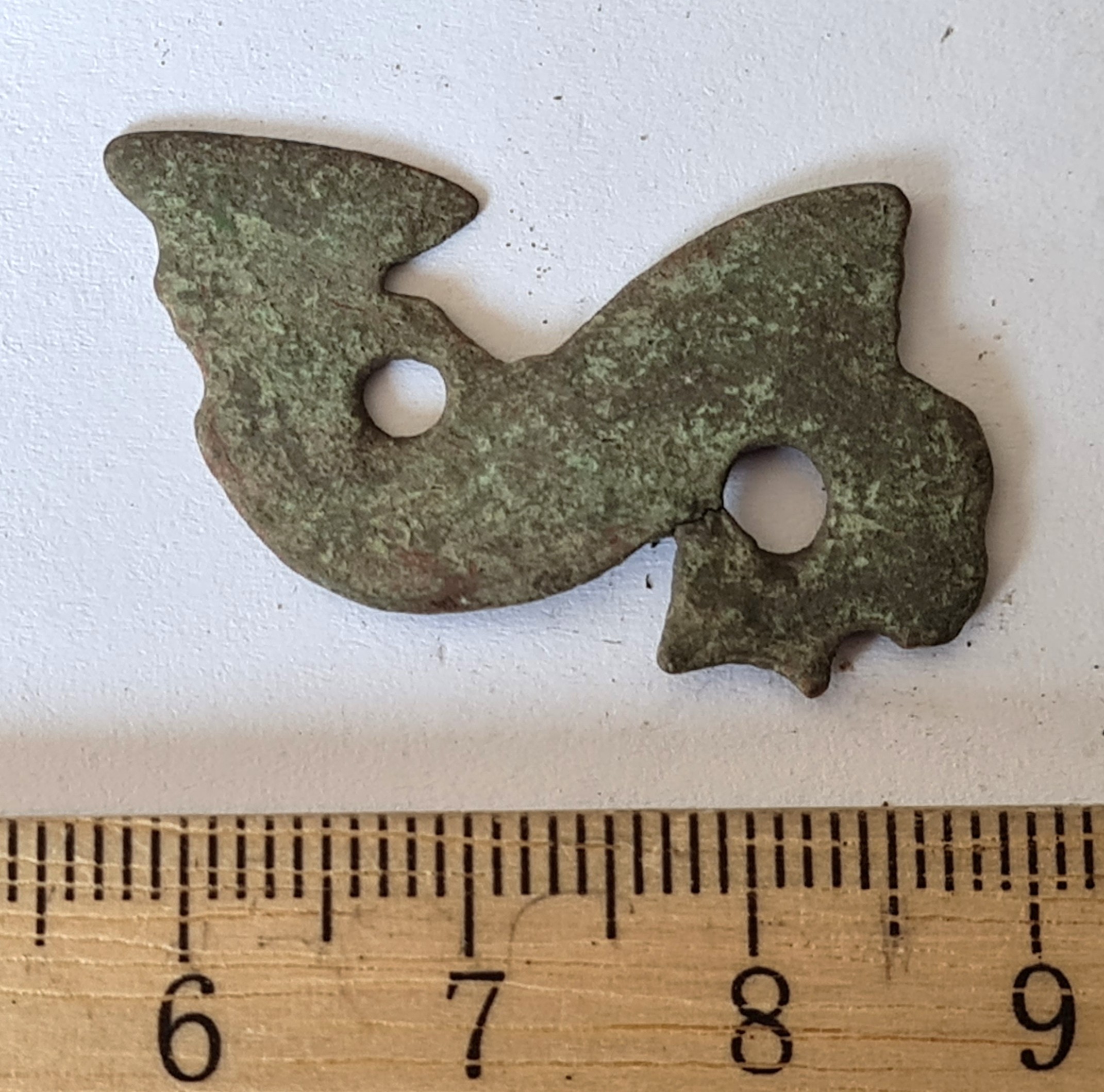
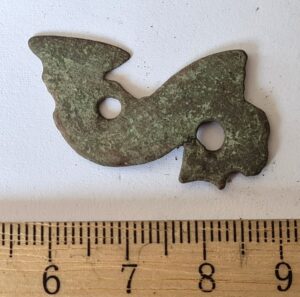
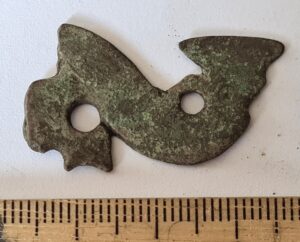
S-shaped pendant, copper alloy. S-shaped mounts or pendants were distributed primarily in Saaremaa, western Estonia, and in the areas of Livs, and are dated mainly to the 12th century or the very beginning of the 13th century. They are generally absent from the 13th-century inhumation burials (Luik 1999).
Luik, H. 1999. S-kujulised ripatsid ja rihmakeeled. – EAA 3:2, 131-130.
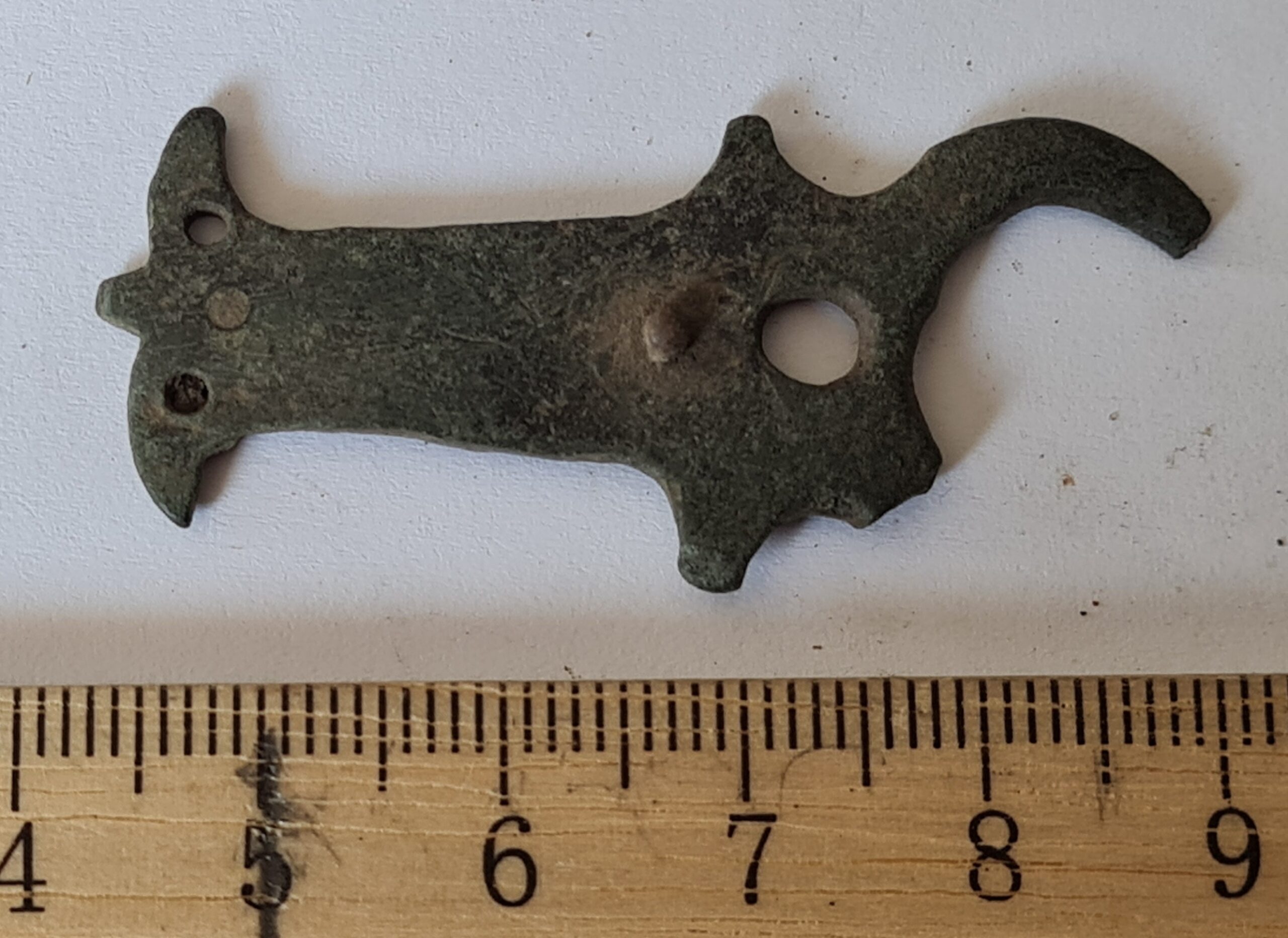
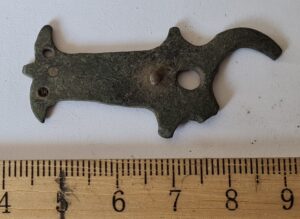
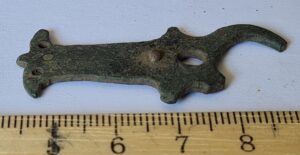
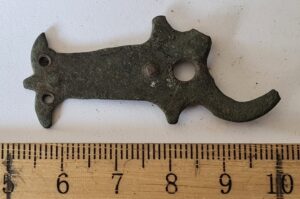
Buckle, copper alloy. Similar buckles with a rigid plate have been found, for example, in the Madi and Moka stone graves, where they have been interpreted as belonging to horse equipment (Selirand 1974, pl. XVII: 13, 14). In England as well, buckles of this type, dated to the 13th–14th centuries, are considered characteristic primarily of spurs (Egan & Pritchard 2002, 106–108).
Selirand, J. 1974. Eestlaste matmiskombed varafeodaalsete suhete tärkamise perioodil (11.–13. sajand). Tallinn. ; Egan, G. & Pritchard, F. 2002. Dress accessories 1150-1450. Medieval finds from excavations in London. Boydell Press.
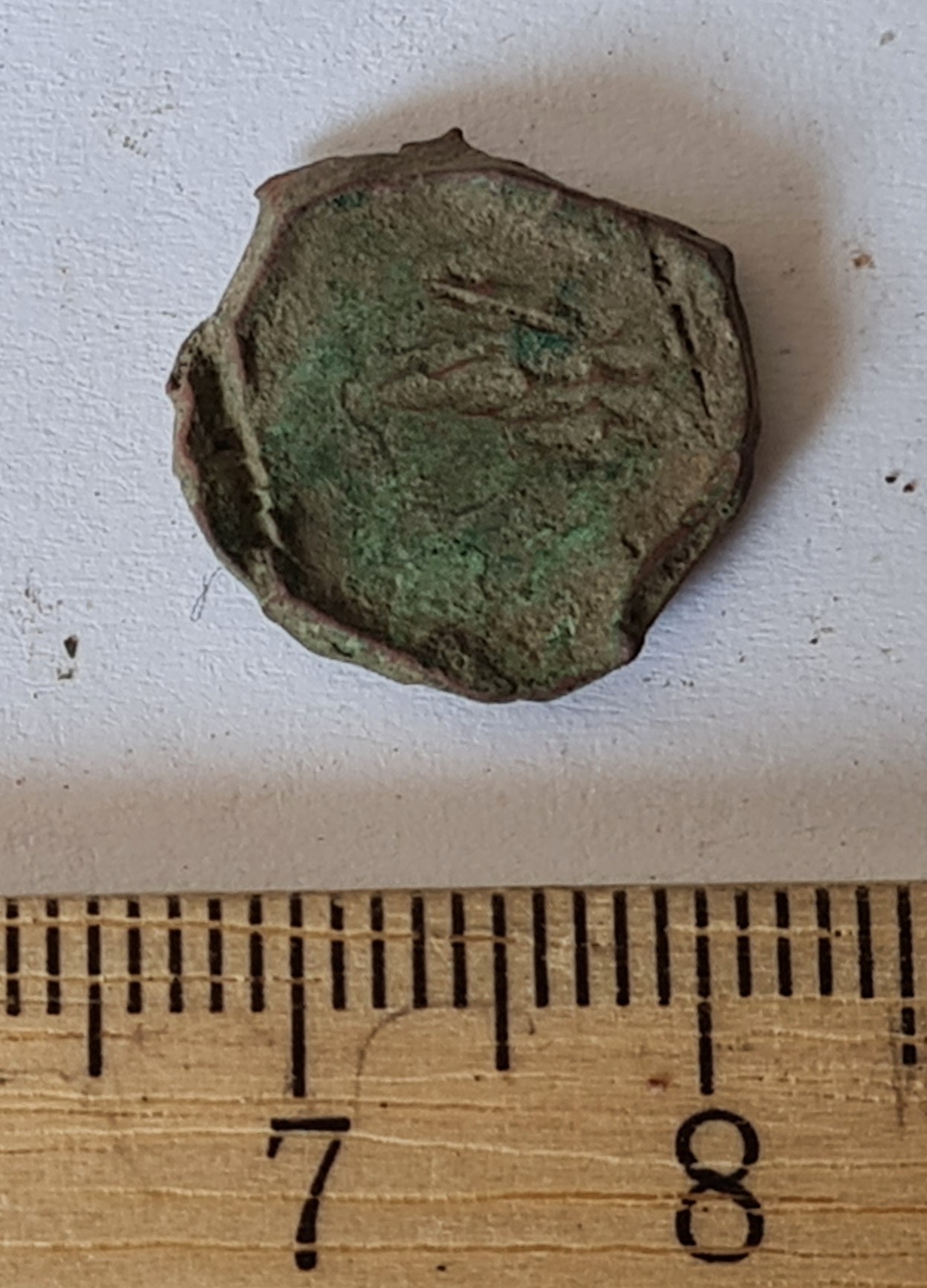
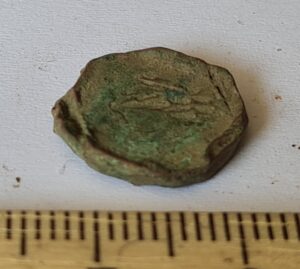
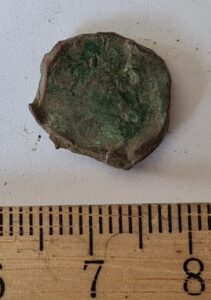
Trade seal.
Muhu
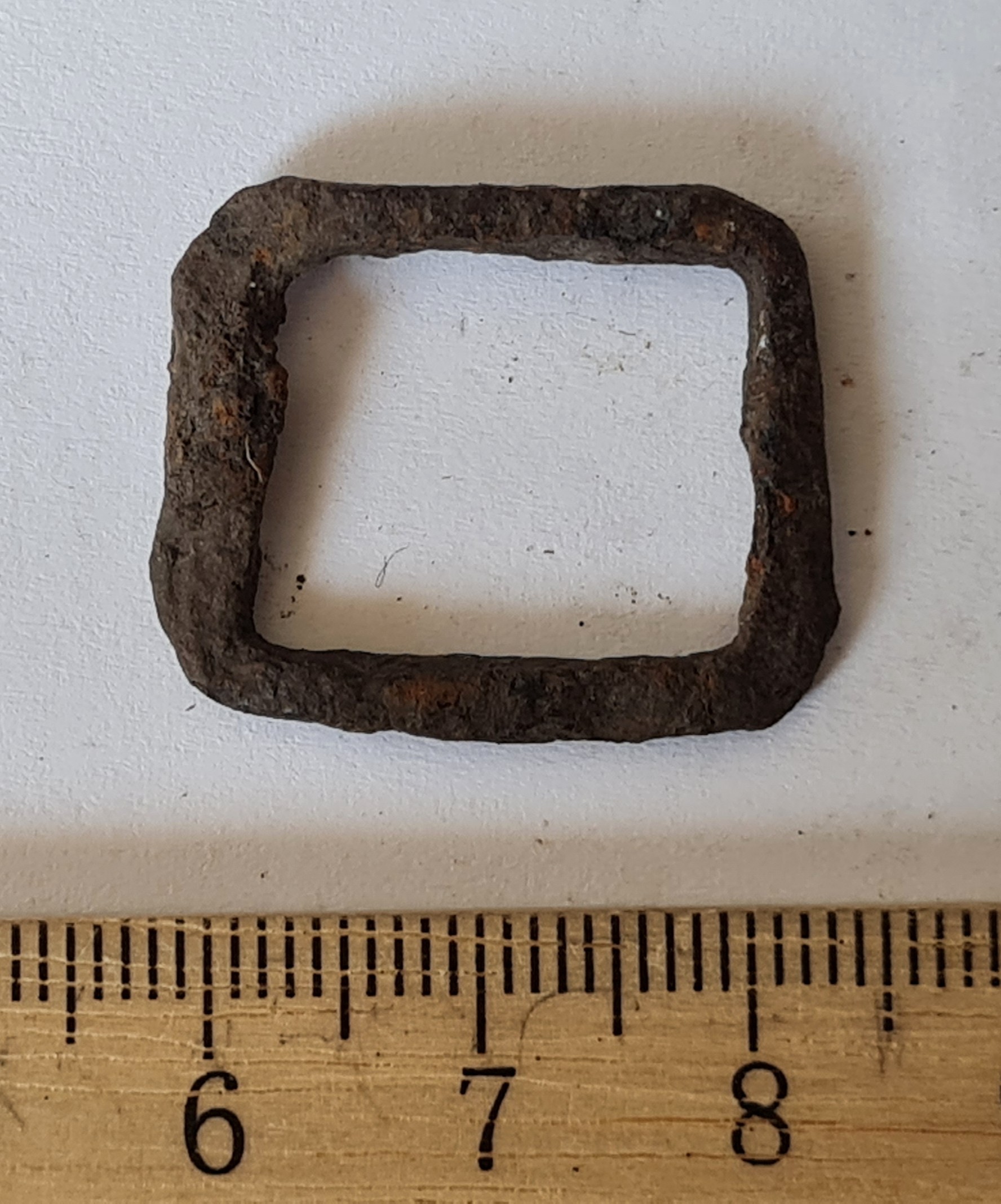
Buckle, copper alloy. Simple rectangular buckle frame
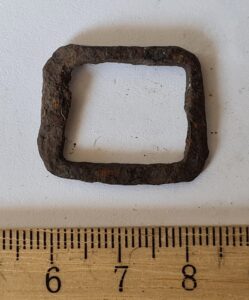
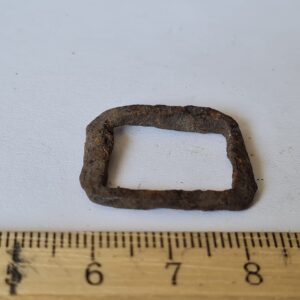
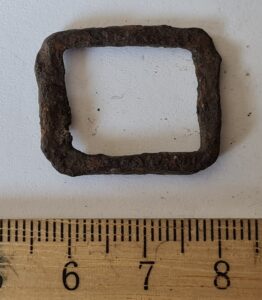
Buckle, copper alloy. Simple rectangular buckle frame. Buckles of this type can be dated to a broad period from the 13th to the 17th century (Valk 2001, 54).
Valk, H. 2001. Rural Cemeteries of Southern Estonia 1225-1800 AD. SSS papers: 3. Gotland University College & University of Tartu.

