
Database
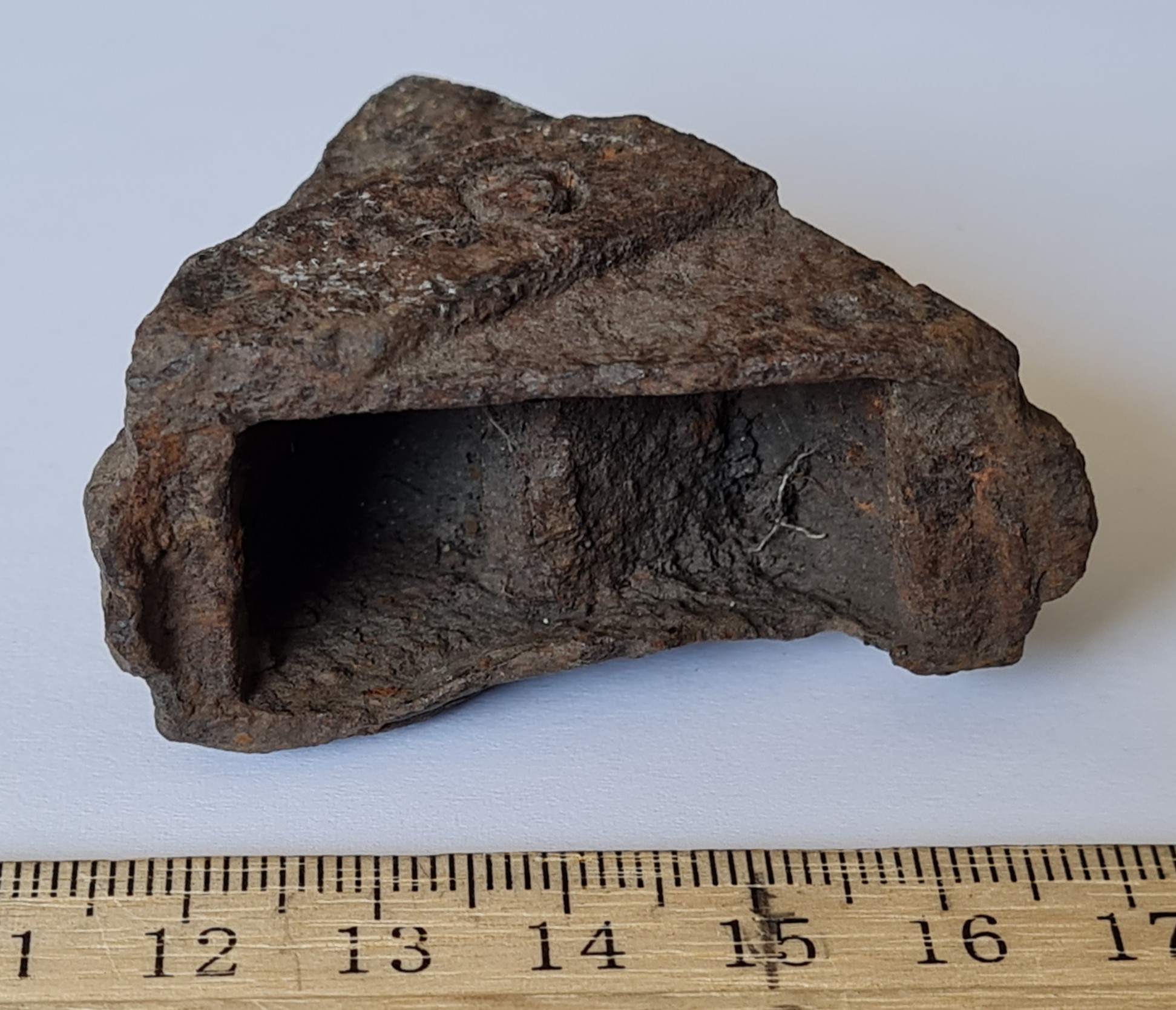
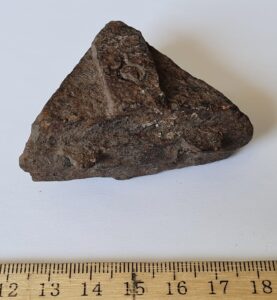
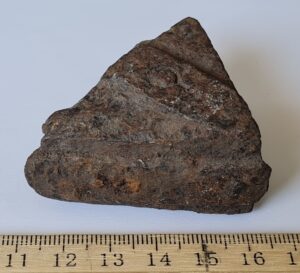
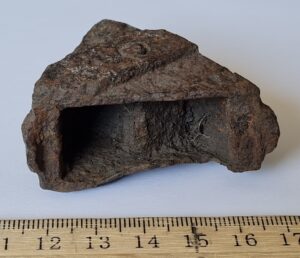
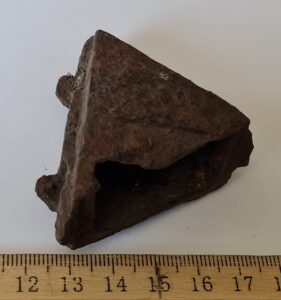
Padlock, iron. Triangular in shape. Such examples have been found, for instance, in the cultural layer from the second half of the 16th century at the Viljandi castle ruins and in the churchyard of Pilistvere. They can be dated to the 16th–17th centuries (Malve 2016 and the literature cited therein).
Malve, M. 2016. Archaeological fieldwork at the Medieval and Early Modern churchyards in Nõo, Pilistvere and Põltsamaa. – Archaeological Fieldwork in Estonia 2015, 199–210.
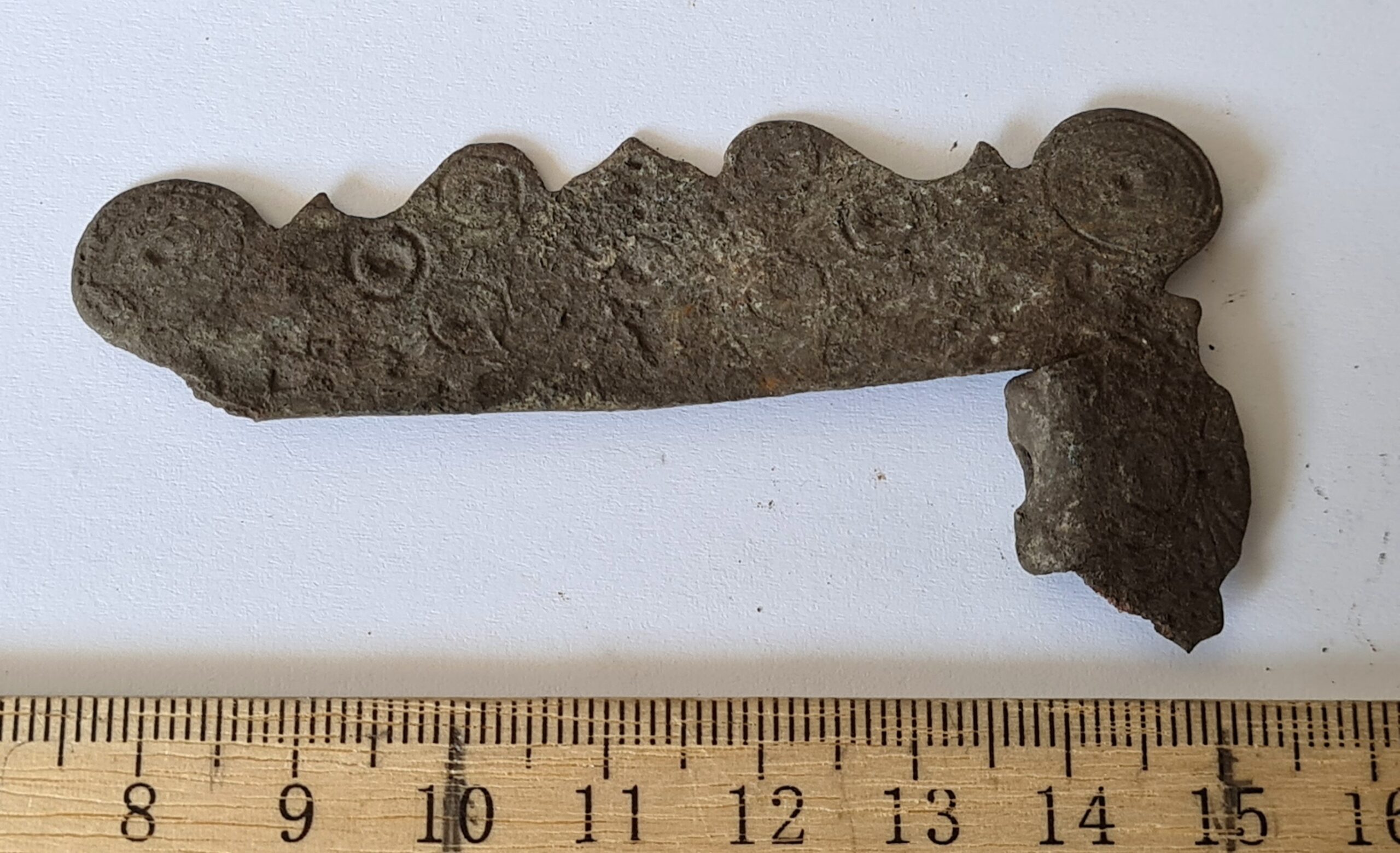
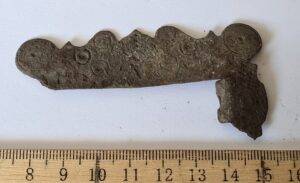
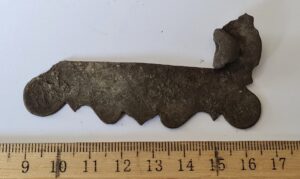
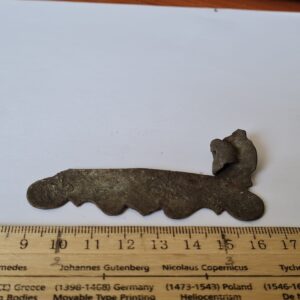
Buckle, copper alloy. Belongs together with artefact SM 10973:70.
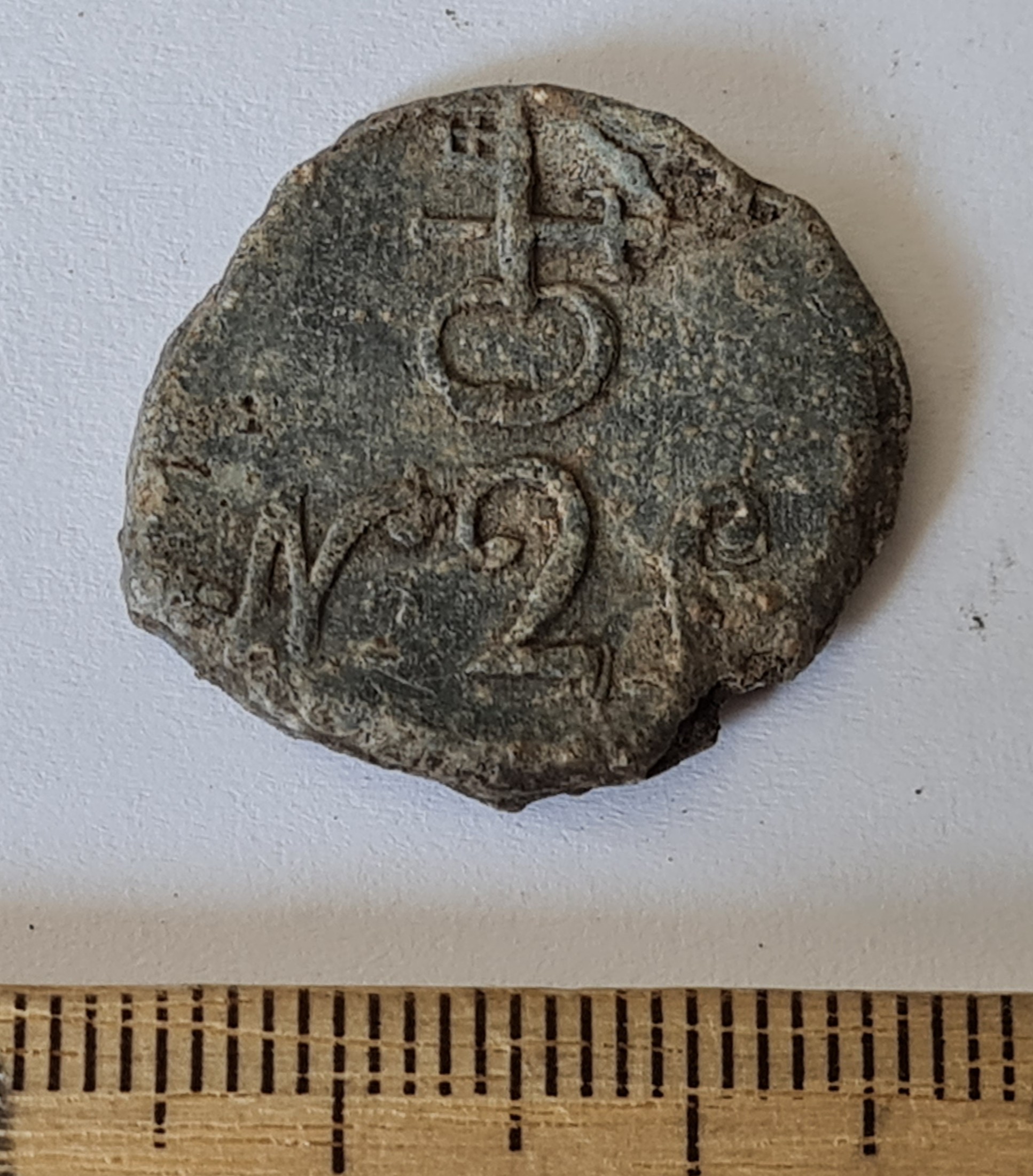
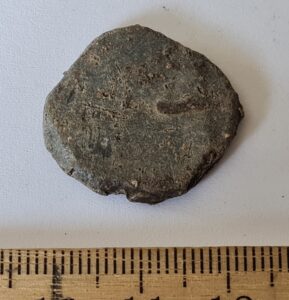
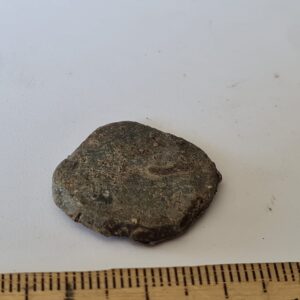
Trade seal.
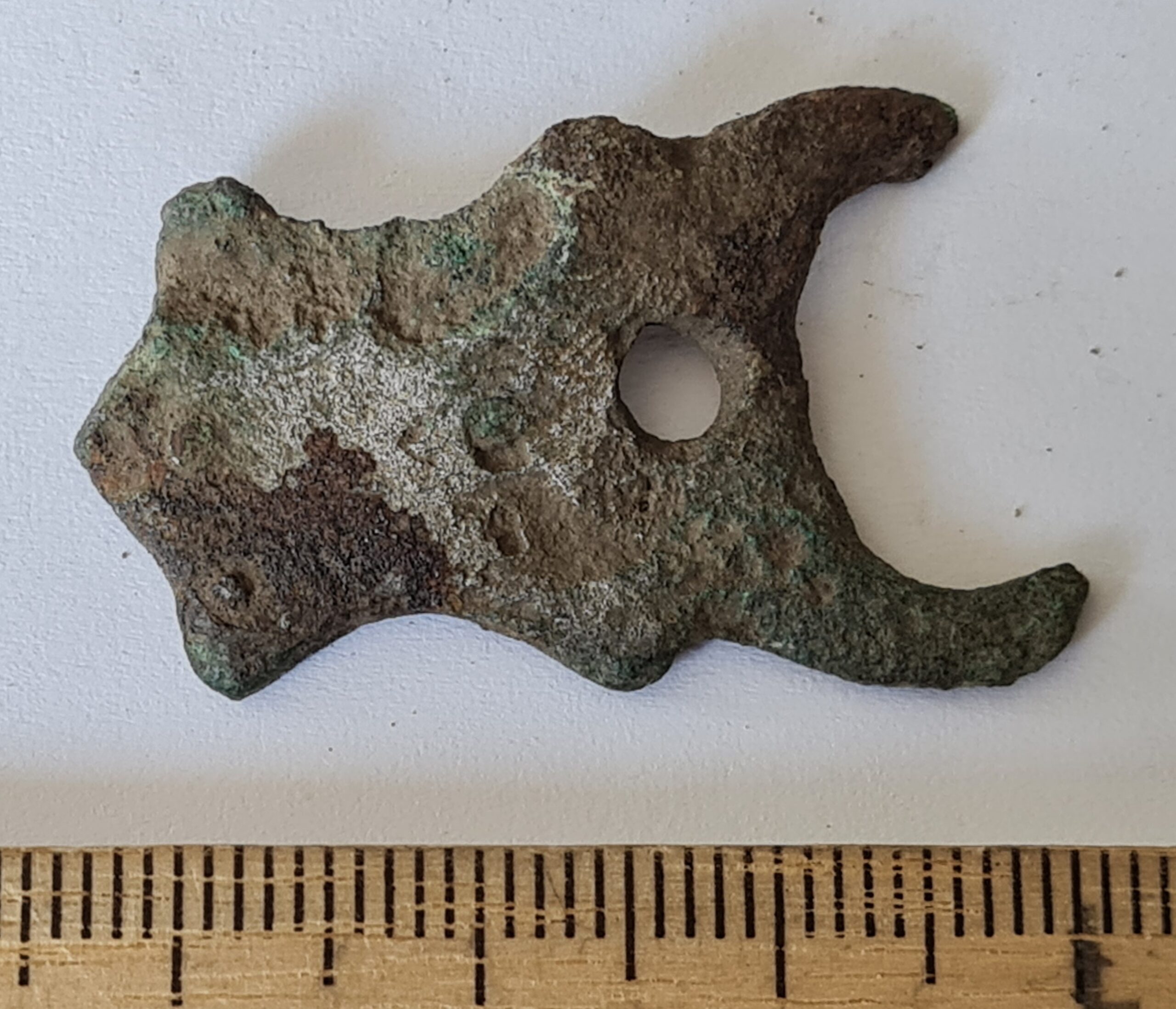
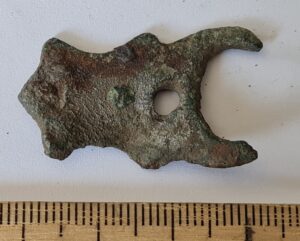
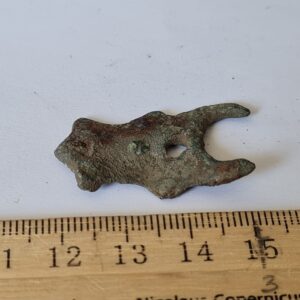
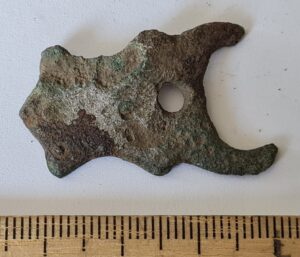
Buckle, copper alloy. Similar buckles with a rigid plate have been found, for example, in the Madi and Moka stone graves, where they have been interpreted as belonging to horse equipment (Selirand 1974, pl. XVII: 13, 14). In England as well, buckles of this type, dated to the 13th–14th centuries, are considered characteristic primarily of spurs (Egan & Pritchard 2002, 106–108).
Selirand, J. 1974. Eestlaste matmiskombed varafeodaalsete suhete tärkamise perioodil (11.–13. sajand). Tallinn.; Egan, G. & Pritchard, F. 2002. Dress accessories 1150-1450. Medieval finds from excavations in London. Boydell Press.
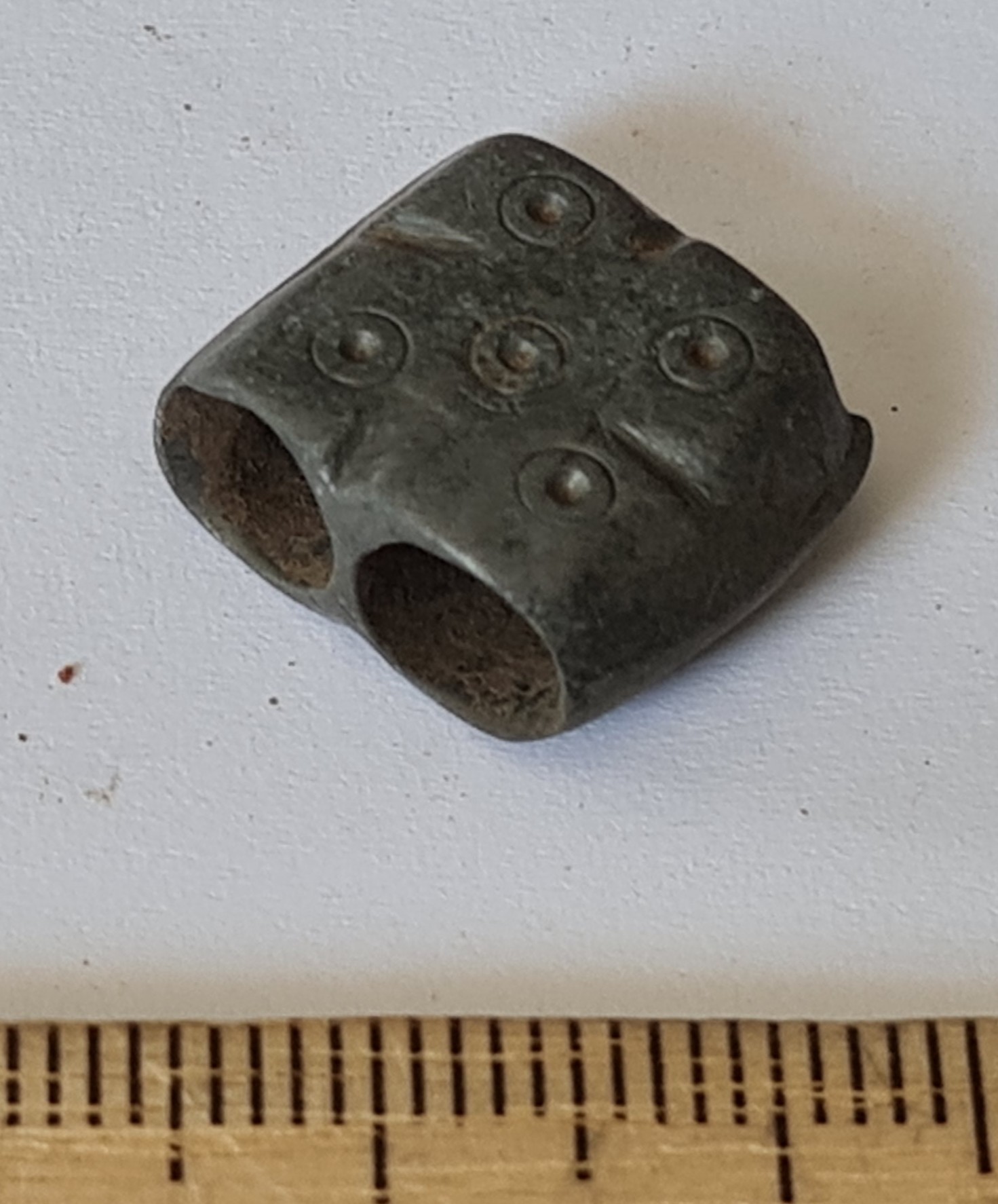
Cubic chain distributer, copper alloy. Chain distributors held together belts composed of metal rings, which have been found in several 13th-century inhumation burials, for example at Valjala (Mägi et al. 2019, 98–99). Such chain belts have been recovered mainly from women’s and children’s graves, and both the chains and the associated cubic chain distributers have been dated to the 12th–13th centuries (Kurisoo et al. 2023, 220–221).
Mägi, M., Malve, M. & Toome, T. 2019. Early Christian burials at Valjala churchyard, Saaremaa. – Archaeological Fieldwork in Estonia, 2018, 93–118.; Kurisoo, T., Posti, M.-L., Jegorov, S. & Kangert, N. 2023. New public discoveries in 2022 against a backdrop of concerns about reporting and processing finds. – Archaeological Fieldwork in Estonia 2022, 217–238.
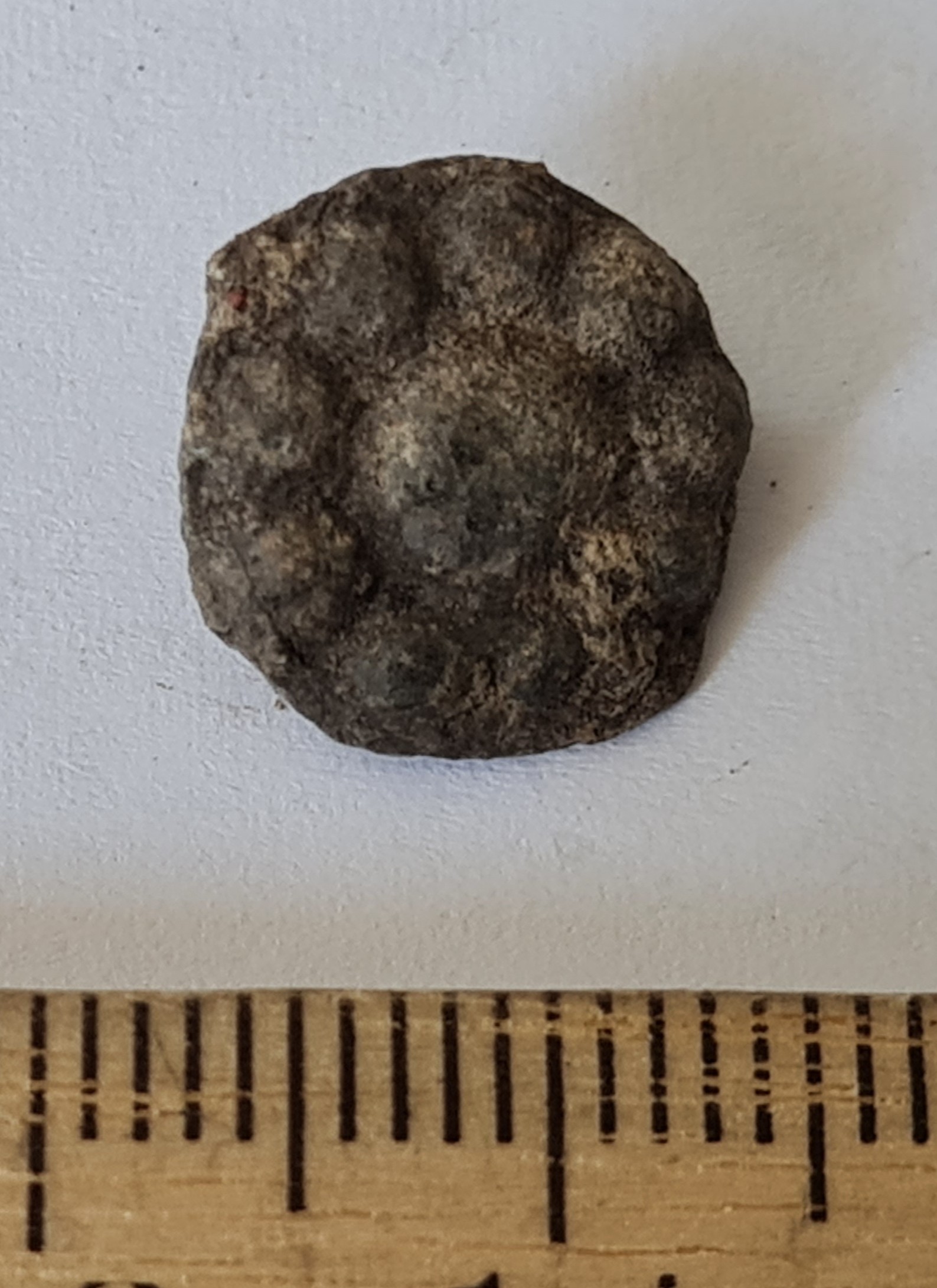
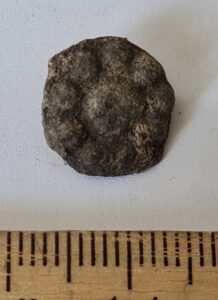
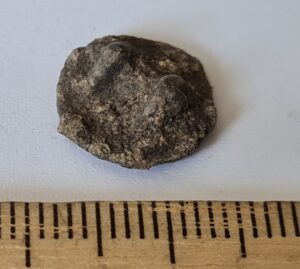
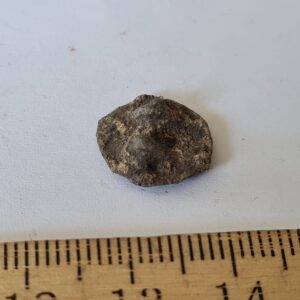
Mount, tin. From Medieval or Early Modern period. Tin mounts occur in a wide variety of shapes; however, at Siksälä, mounts of this particular form have been found in burials 22 and 33, both dated to the 14th century (Valk et al. 2014, 43, 54).
Valk, H., Ratas, J., Laul, S. 2014. Siksälä kalme II. Matuste ja leidude kataloog. Tartu Ülikool: Tartu.
Muhu
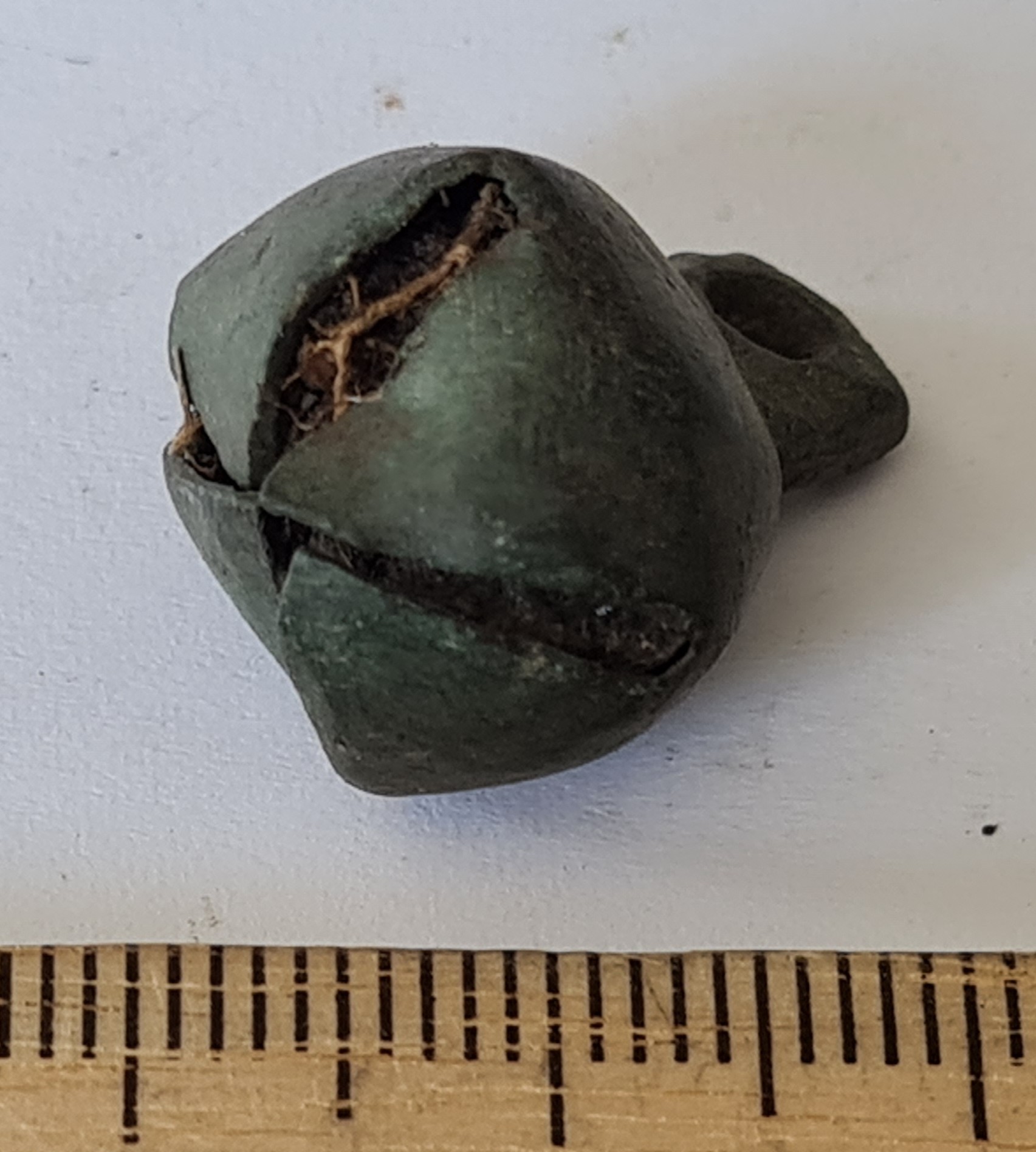
Bell, copper alloy. Four-lobed, plain, with a square suspension loop.
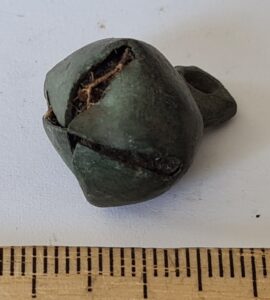
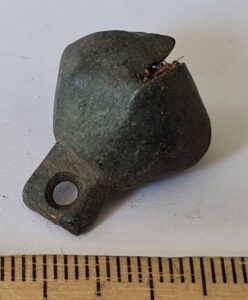
Bell, copper alloy. Four-lobed, plain, with a square suspension loop. Such bells have been found in large numbers, for example at the Siksälä cemetery, where they are mostly dated to the 14th century and occasionally also to the 15th century (Valk & Laul 2014, 110; Valk et al. 2014). They are also known from Courland, for instance from the Vilkmuiža burials at Dundaga (e.g. Muižnieks & Žeiere 2021, 321). They were worn both as parts of necklaces and, in the case of men, for example as buttons. Bells of this shape are also abundantly known from the Muhu settlement site.
Valk, H. & Laul, S. 2014. Siksälä kalme I: Muistis ja Ajalugu. Tartu ülikool, Ajaloo ja arheoloogia instituut, Tallinn.; Valk, H., Ratas, J., Laul, S. 2014. Siksälä kalme II. Matuste ja leidude kataloog. Tartu Ülikool: Tartu.; Muižnieks, V. & Žeiere, I. 2021. Dundagas Laukmuižas 13. – 14. gadsimta senkapi. The 13th-14th Century Cemetery of Dundagas Laukmuiža. – Latvias nacionālā vēstures muzeja raksti nr. 30. Arheoloģija. Rīga.
 ä
ä 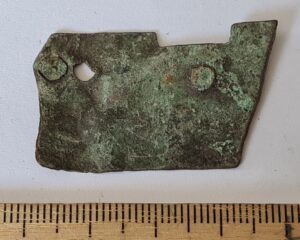
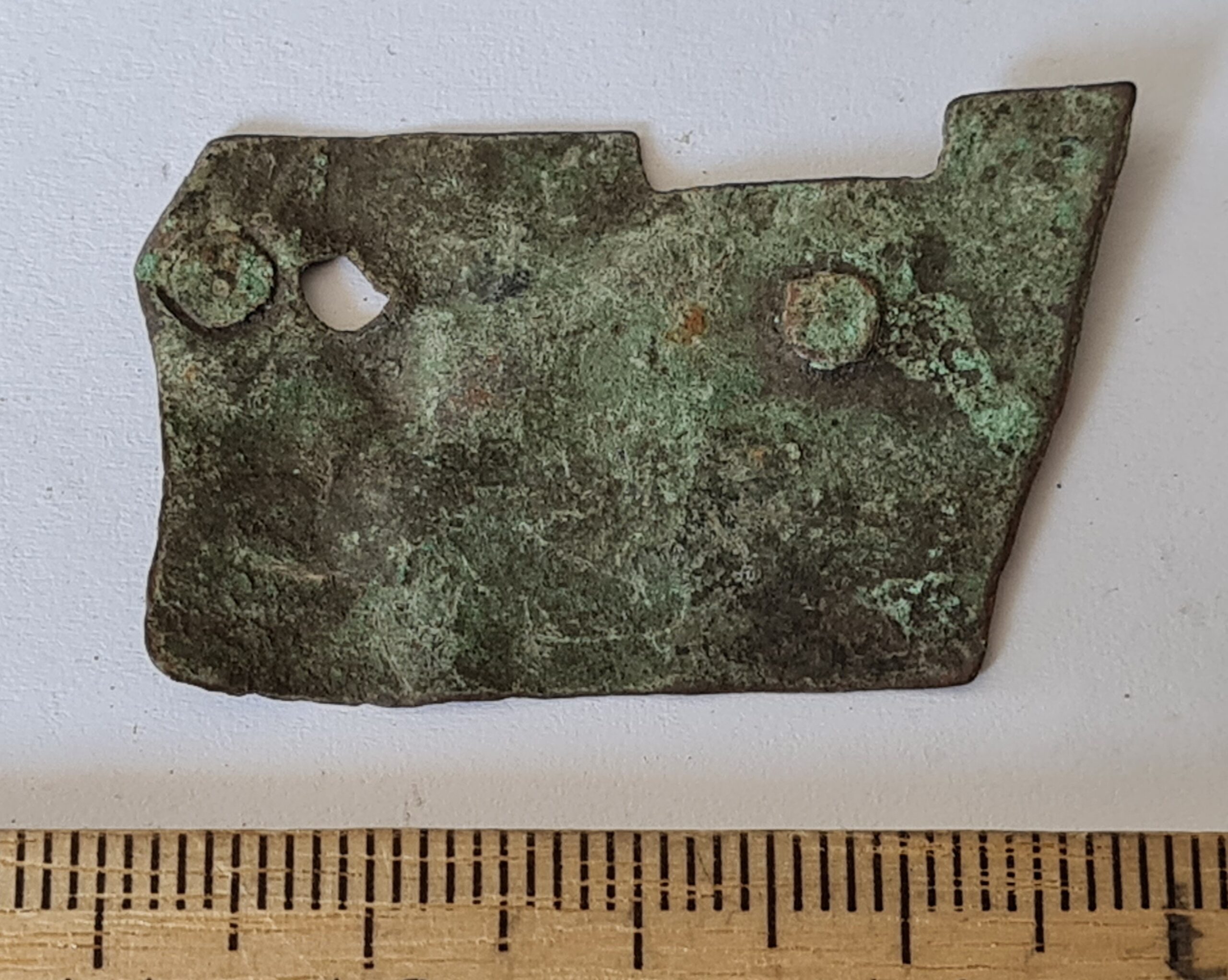
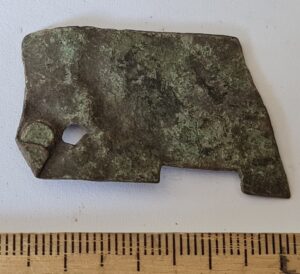
Decoration, copper alloy. More precisely undetermined.
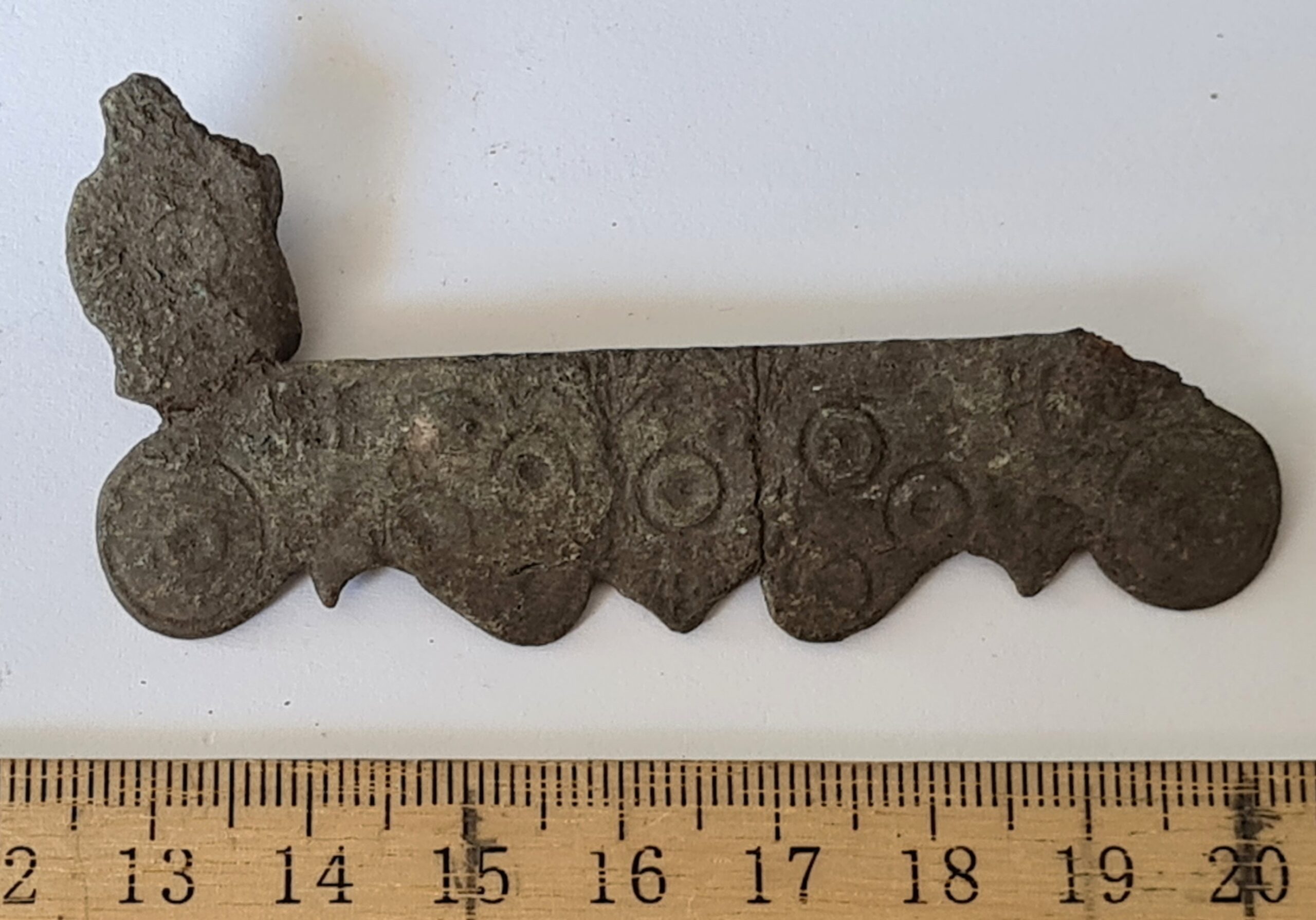
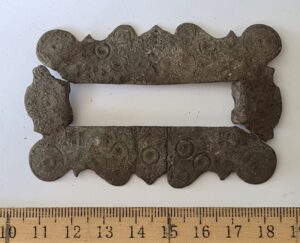
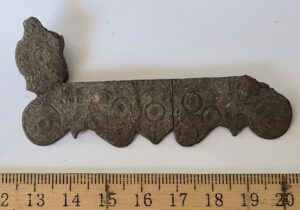
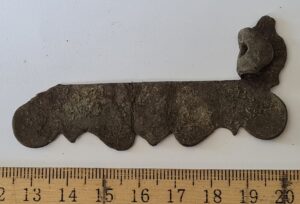
Buckle, copper alloy. Belongs together with artefact SM 10973:58.

