Database
Ure
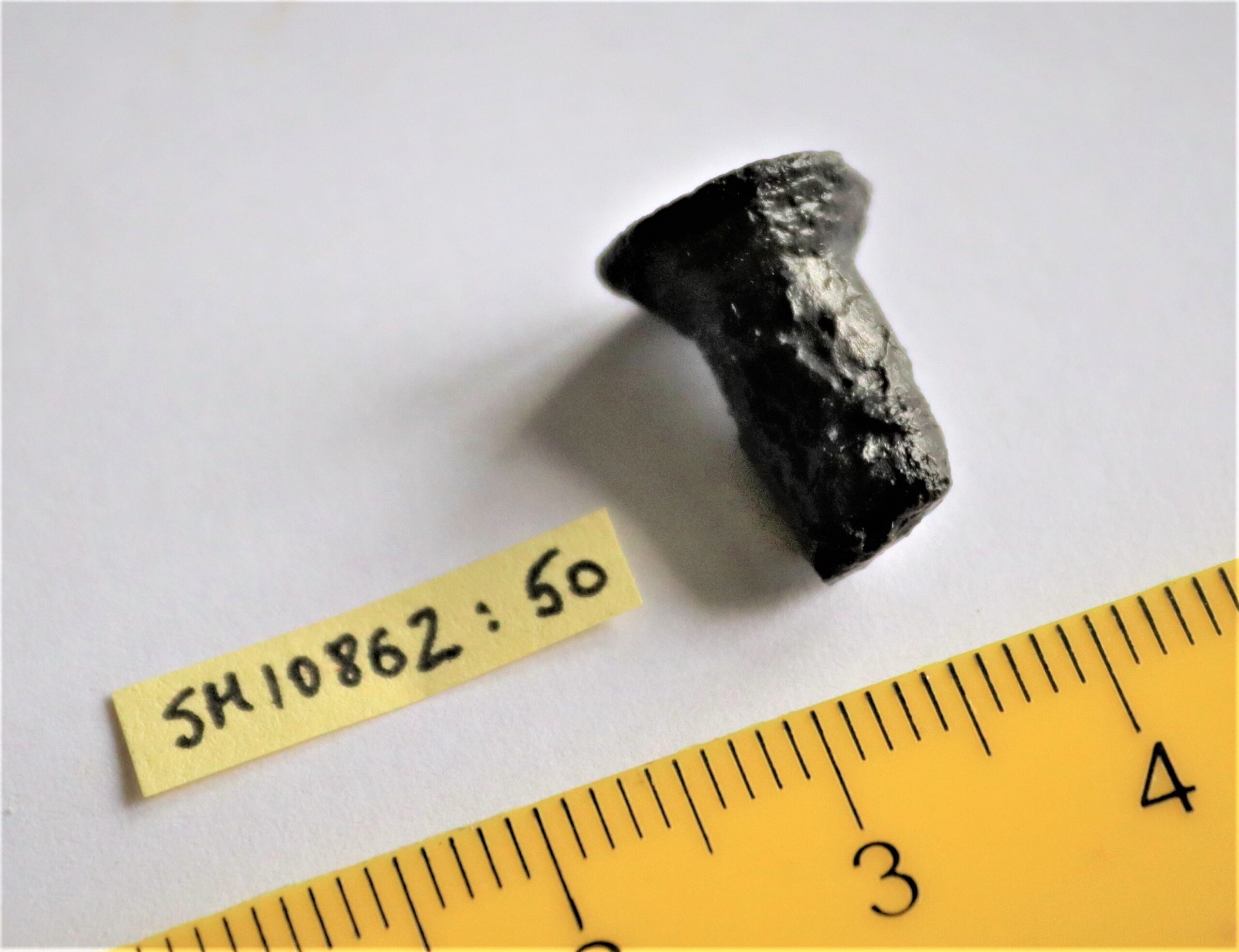
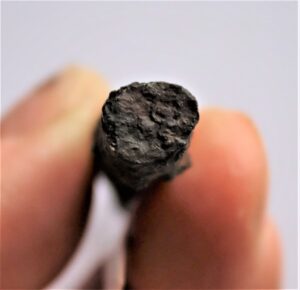
Artefact fragment, iron. Circular cross-section. The head is flat, and decorated with concentric circles.
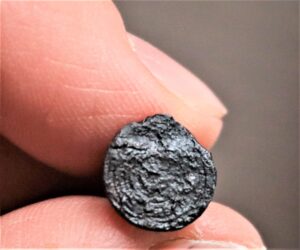
Artefact fragment, iron. Circular cross-section. The head is flat, and decorated with concentric circles.
Ure
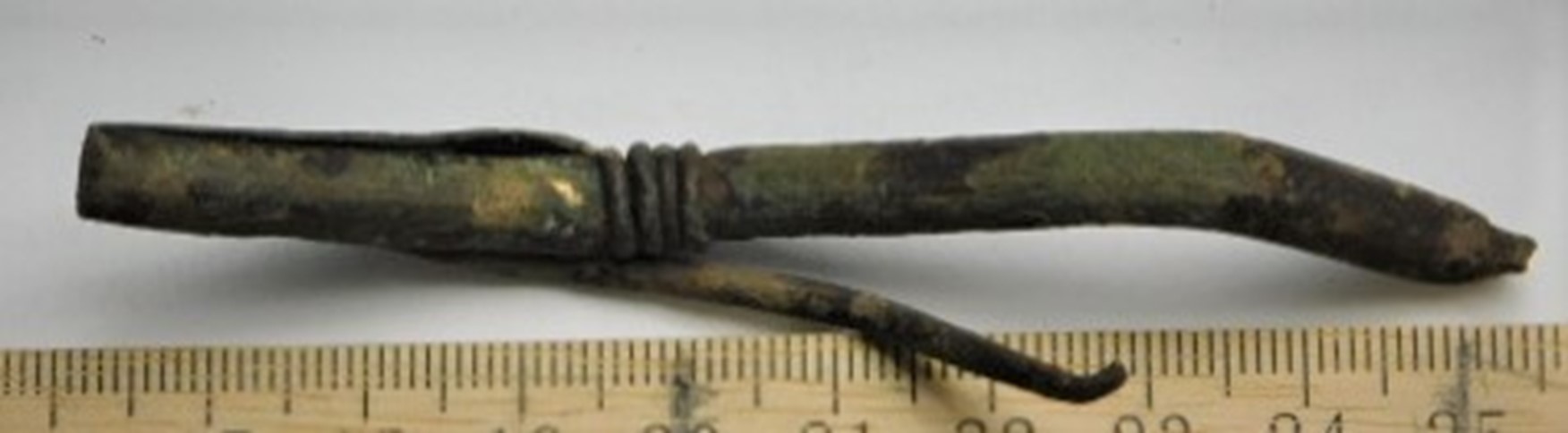
Crossbow brooch, bronze. The upper part is missing. The foot has been bent backward for a needle container and wrapped around the arch like a wire for four times. Underneath that and towards the foot of the arch are traces of gold plating.
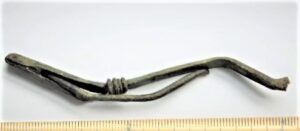
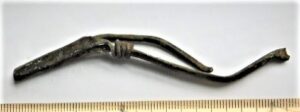
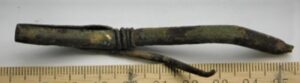
Crossbow brooch, bronze. The upper part is missing. The foot has been bent backward for a needle container and wrapped around the arch like a wire for four times. Underneath that and towards the foot of the arch are traces of gold plating. That type of brooches was common in Estonia mainly during the 2-3d century, but they can also be dated to the 4th-5th century (Randla 2005, 123 jj). In Courland, similar ones have been dated to 2-3rd centuries. (Tautaviśius 1968, 131-13; Griciuvienė 2009, 33, 46).
Literature:
Griciuvienė, E (prepared by). 2009. Kuršiai. Genties kultūra laidosenos duomenimis. Baltų archeologijos paroda. Katalogas. The Curonians. Tribe Culture According to the Burial Data. Baltic Archaeological Exhibition. Catalogue. Vilnius –Riga.
Rohtla, M.-L. 2005. Crossbow fibula as a reflection of social status and relations. – Culture and Material Culture. Interarchaeologia, 1. Ed. by V. Lang. Tartu – Riga – Vilnius, 121–145.
Tautavićius, A (ed.) 1968. Lietuvos archeologiniai paminklai. Lietuvos pajūrio I-VII a. kapinynas. Vilnius.
Ure
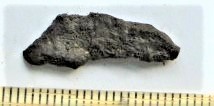
Piece of iron, small and flat. Perhaps from a knife?
Ure
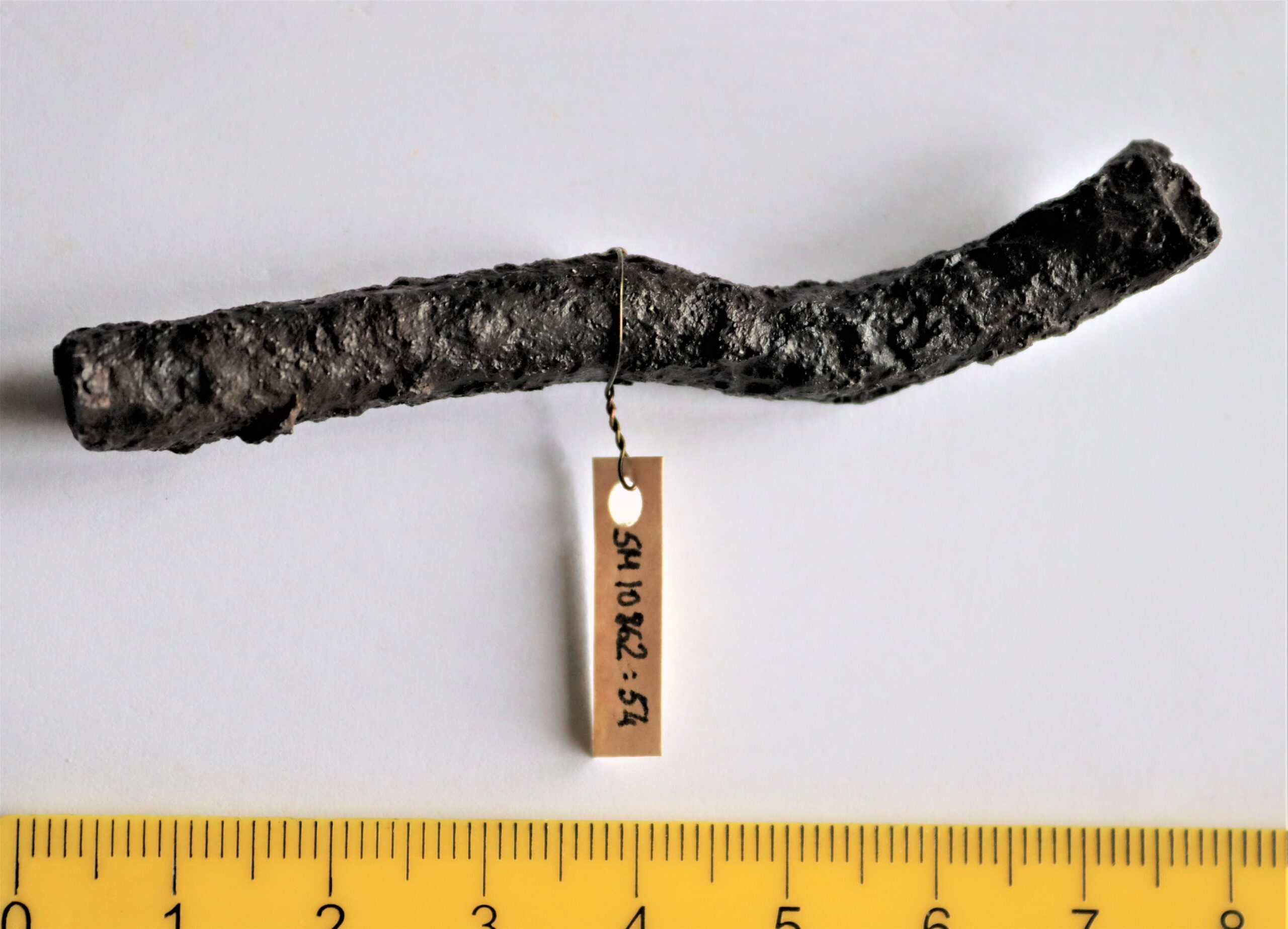
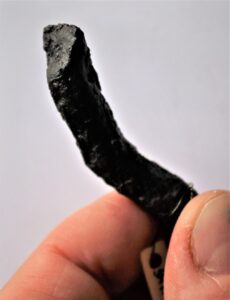
Iron rod, thick and bit curvy. The cross-section is circular, but one end of the rod is abruptly flattening.
Ure
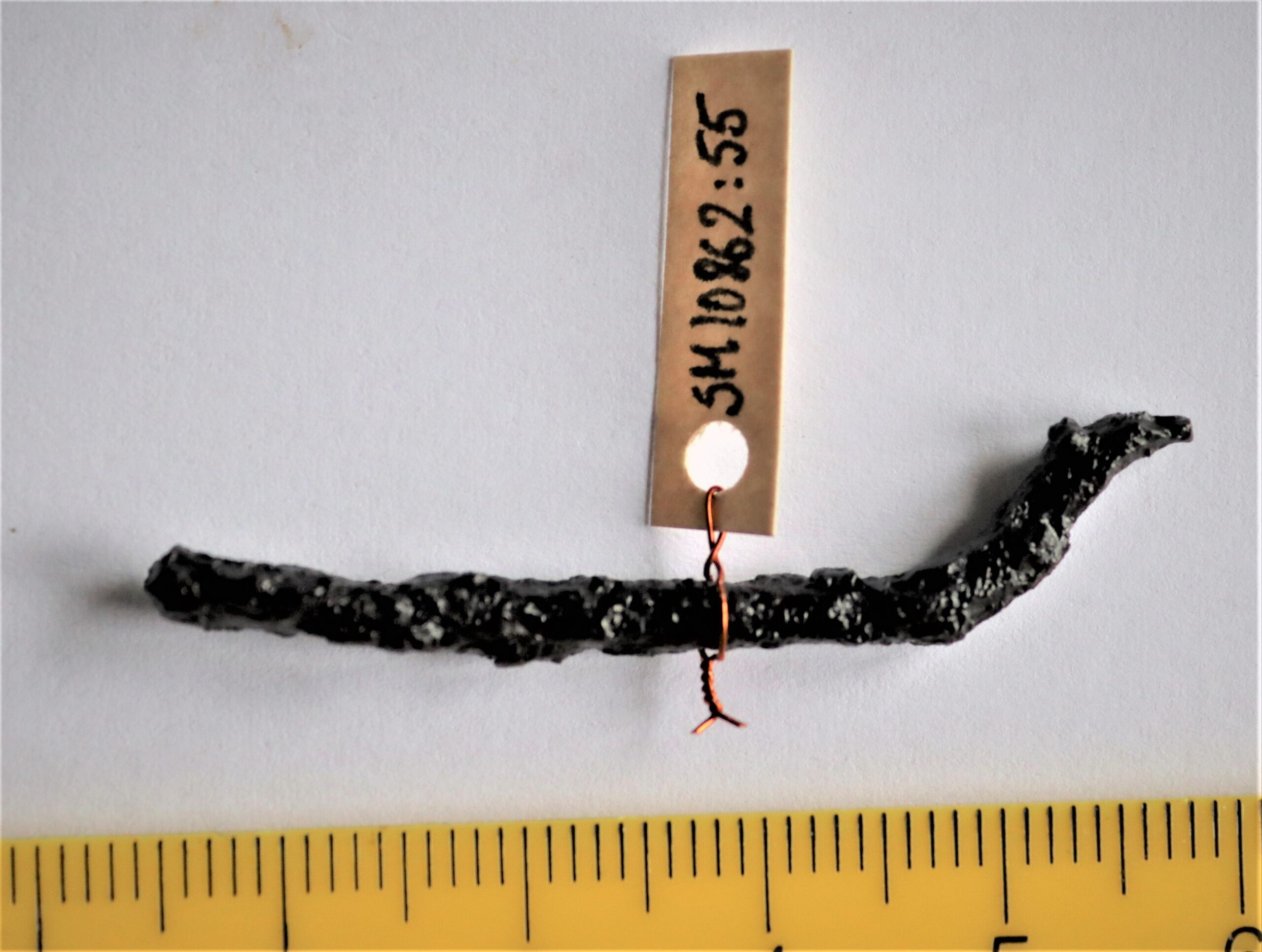
Shepherd-crook-headed pin fragment, iron. Shaft and part of the head. The cross-section is indeterminate.
Ure
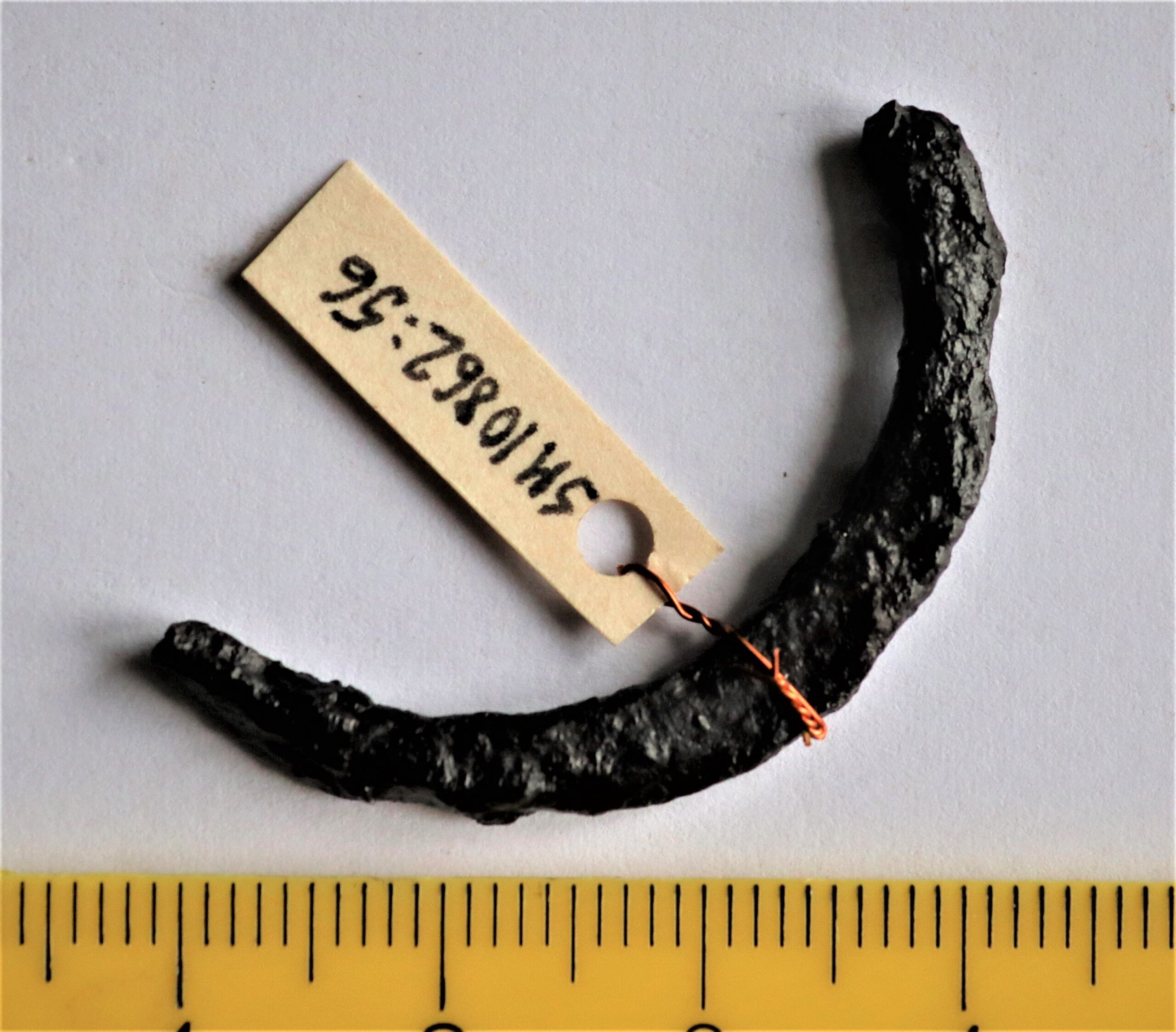
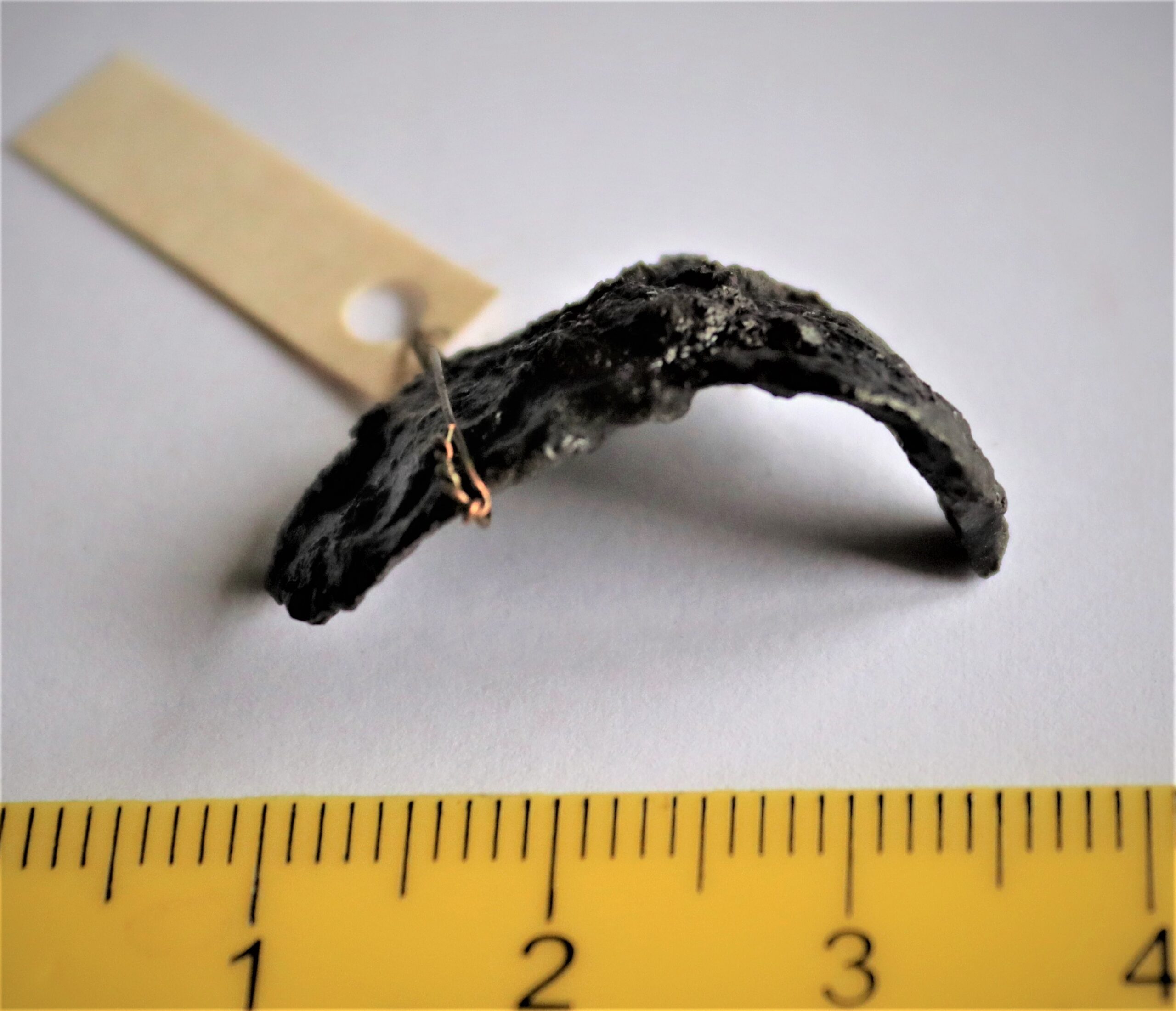
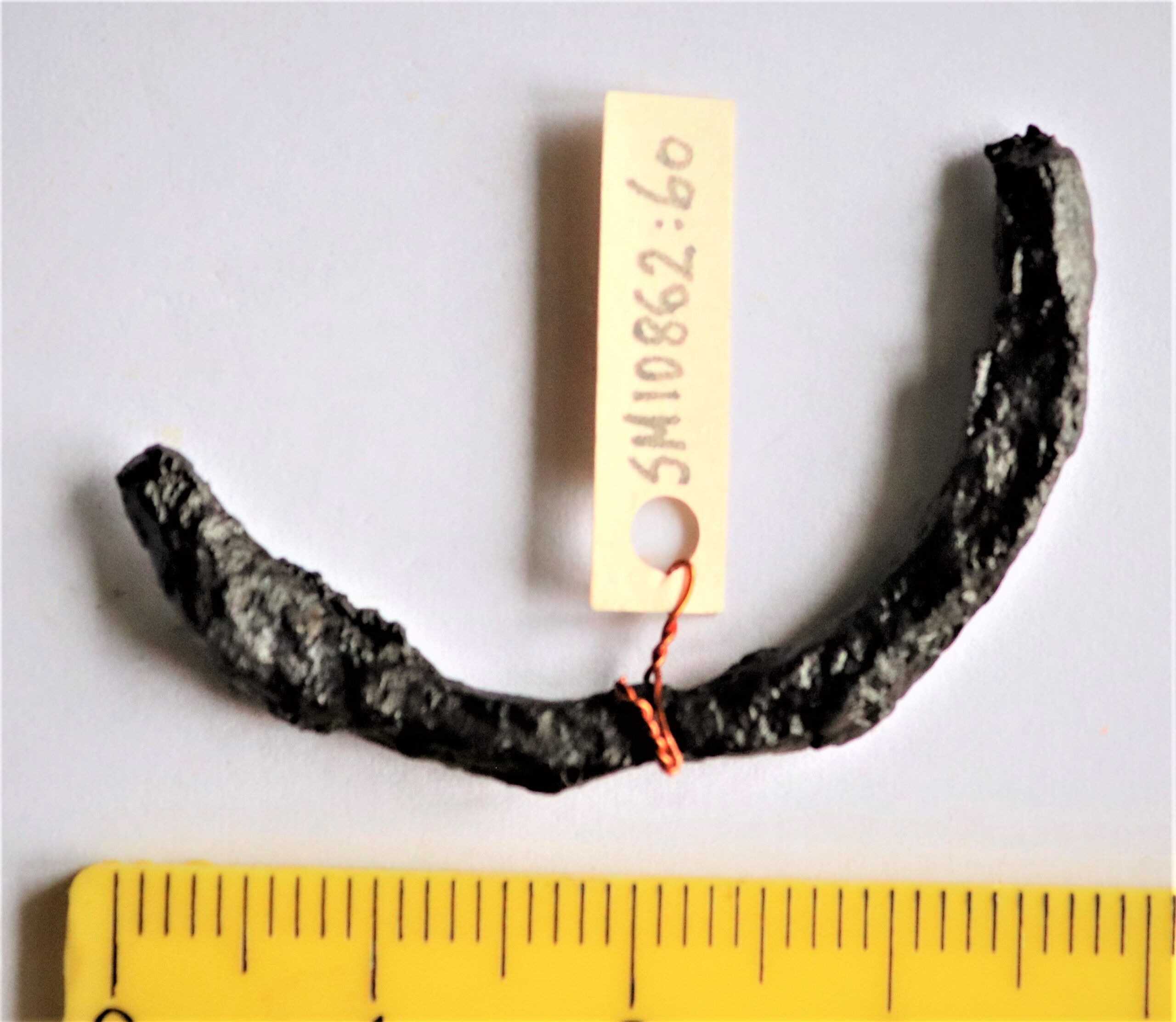
Half head of a shepherd-crook-headed pin (?), iron. Flat cross-section, the diameter of the head is 3.2 cm. See also SM 10862: 55, 60.
Ure
Artefact fragment, iron. Flat rod with a returnable clamp made of wide iron sheet.
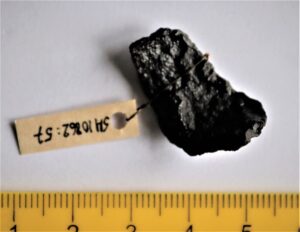
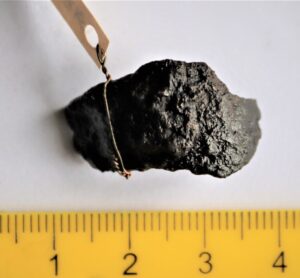
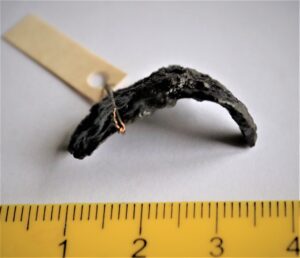
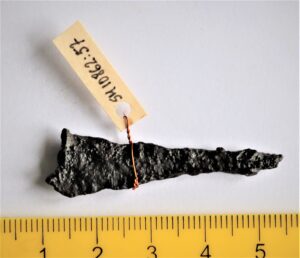
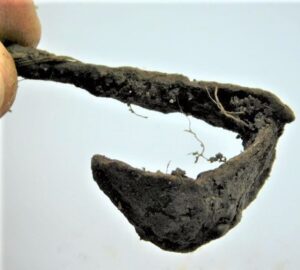
Artefact fragment, iron. Flat rod with a returnable clamp made of wide iron sheet.
Ure
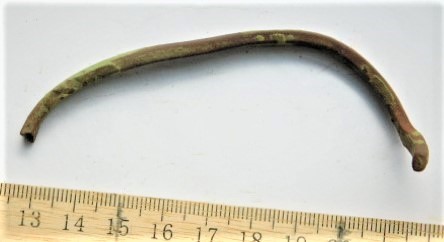
Fragment of bracelet (?), bronze. The cross-section is rectangular.
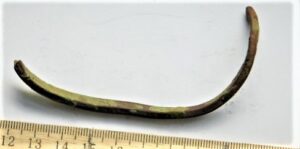
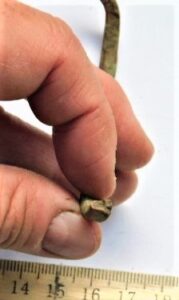
Fragment of bracelet (?), bronze. The cross-section is rectangular.
Ure
Half head of a shepherd-crook-headed pin (?), iron. Flat cross-section, the diameter of the head is 3,2 cm. Most likely the other half of SM10862:56.

