
Database
Viltina
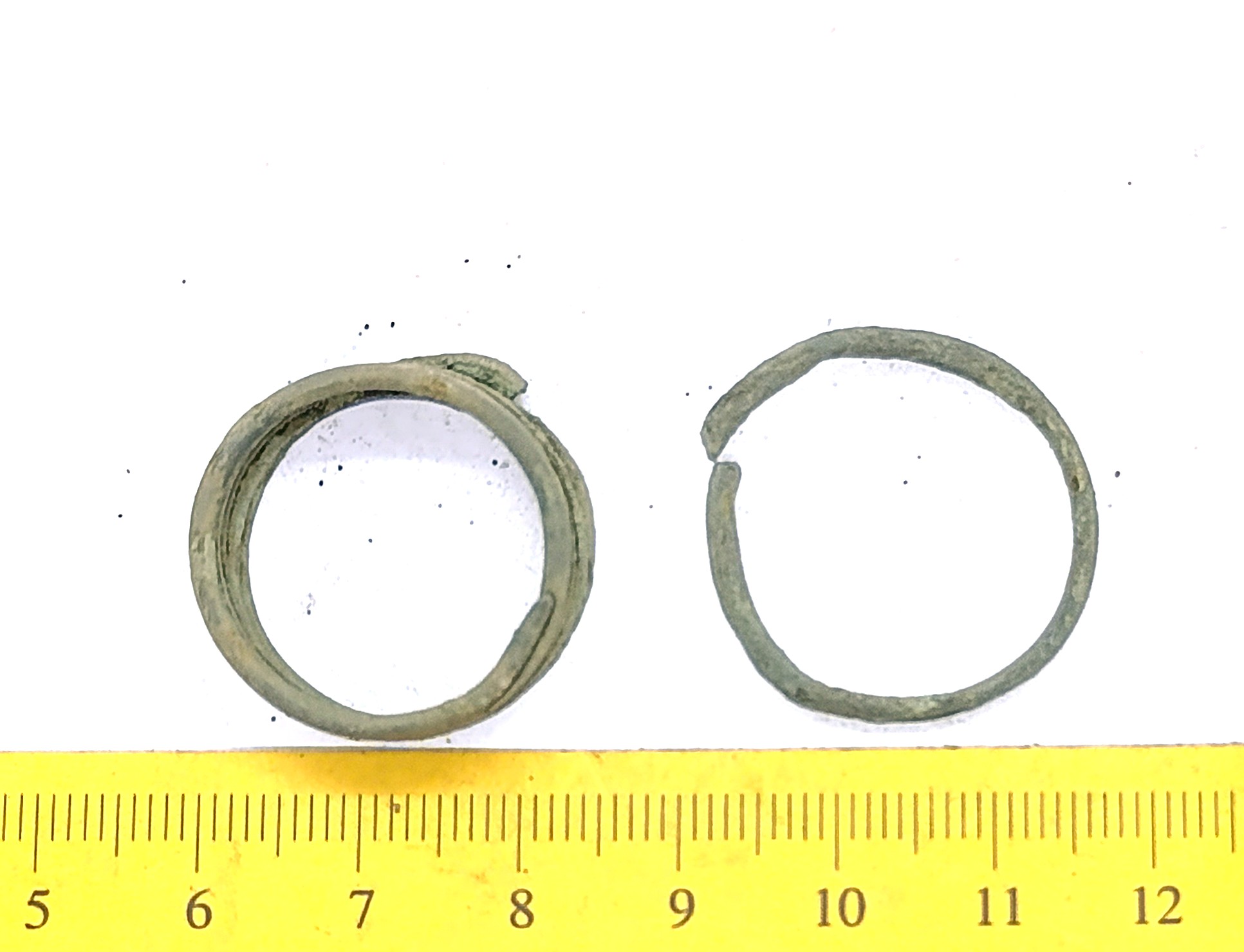
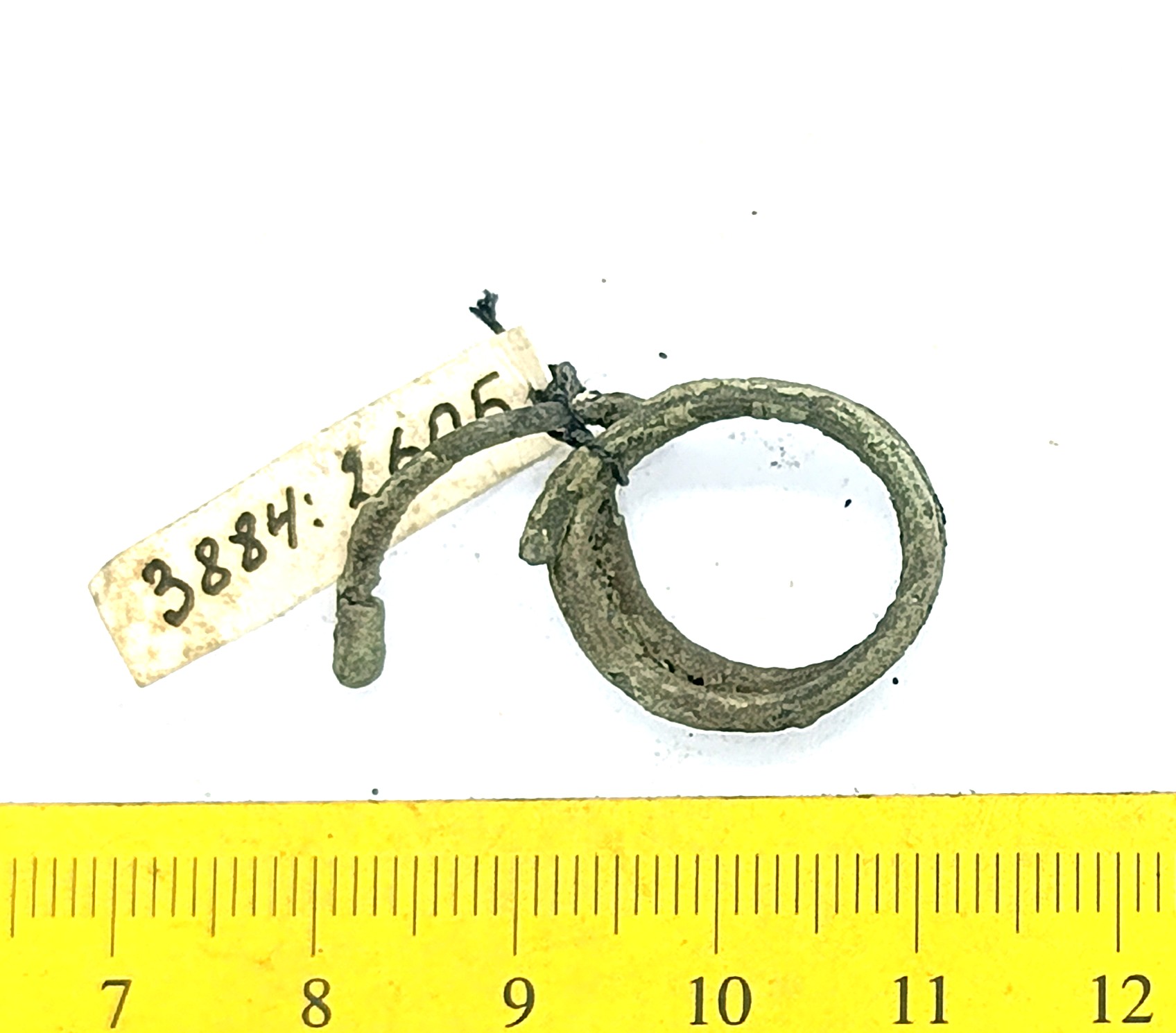
Big spirals, 2, copper alloy.
 Finger-ring, copper alloy. Evenly wide, with overlapping ends.
Viltina
Big spiral, copper alloy.
Viltina
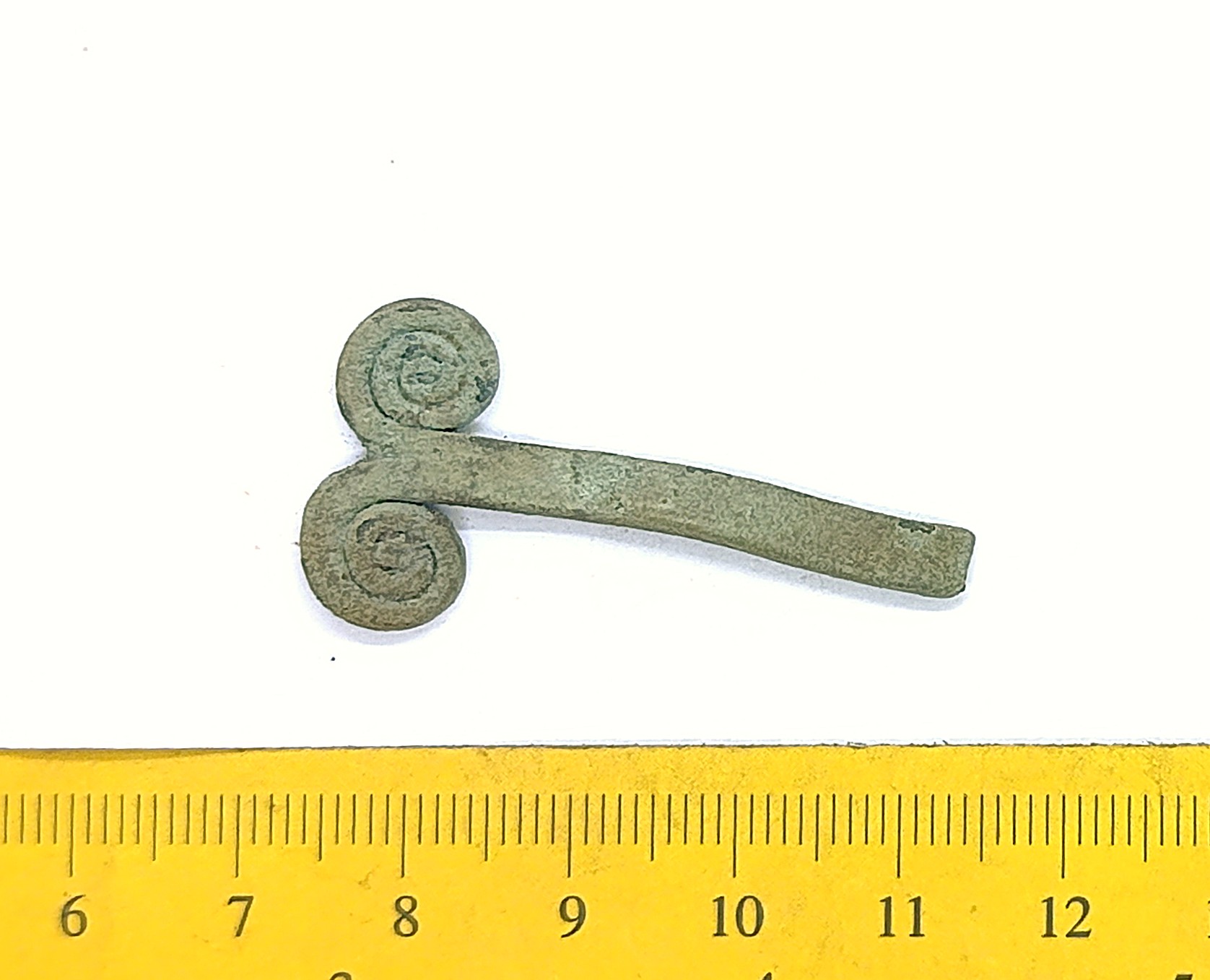
Finger-ring with double-spiral ends, copper alloy.
Finger-ring with double-spiral ends, copper alloy. Such rings were worn during a long period, but were widespread in Estonia from the 7th-the 11th century. (Mägi 2002, 108; Tvauri 2014, 149). The Viltina specimen belongs, according to the context, to the 10th-11th century.
Mägi, M. 2002. At the Crossroads of Space and Time. Graves, Changing Society and Ideology on Saaremaa (Ösel), 9th–13th Centuries AD. (CCC Papers, 6.) Tallinn.
Tvauri, A. 2014. Rahvasterännuaeg, eelviikingiaeg ja viikingiaeg Eestis. Tartu: Tartu Ülikooli Kirjastus.
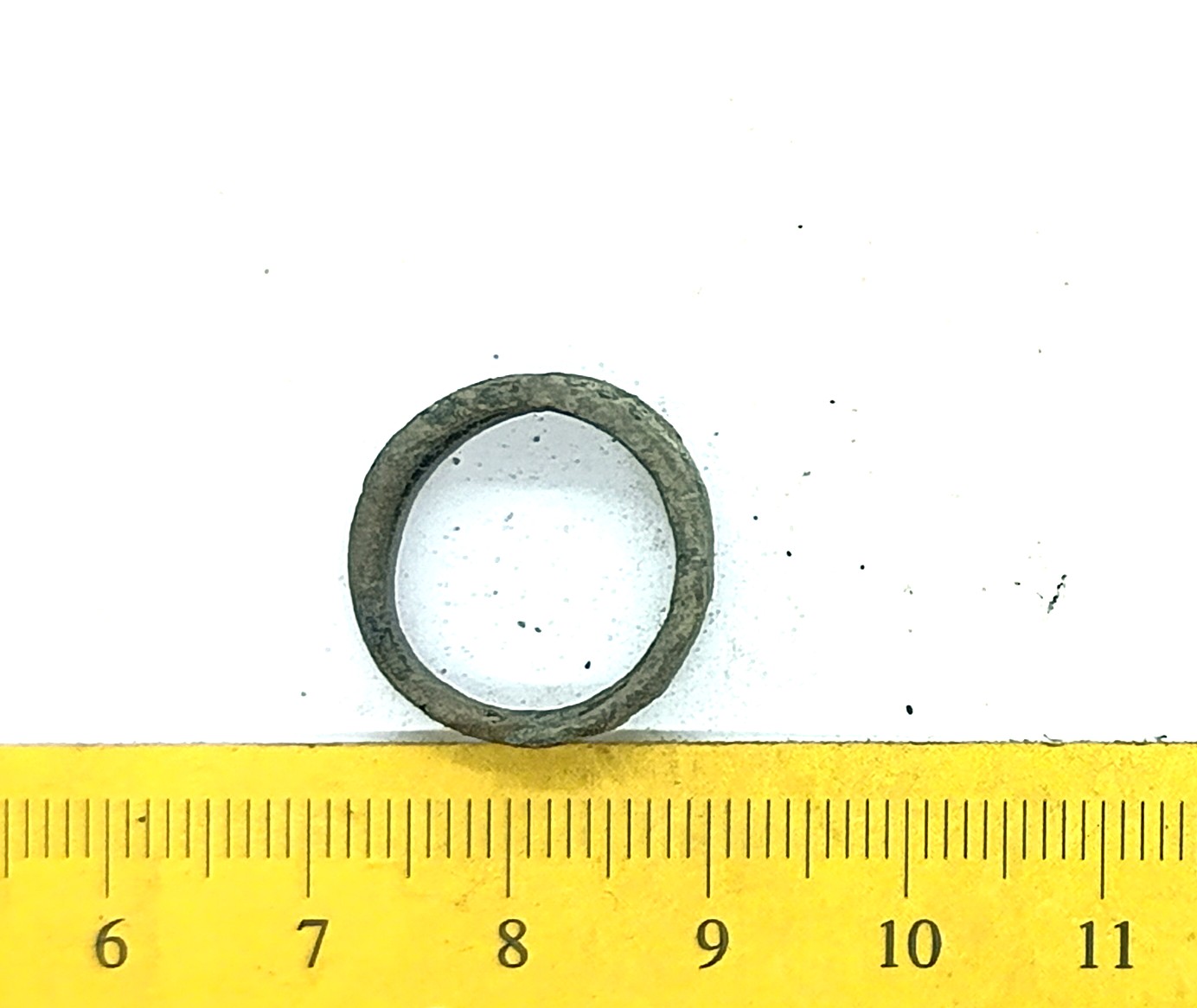
Finger-ring, copper alloy. Evenly wide, with overlapping ends.
Viltina
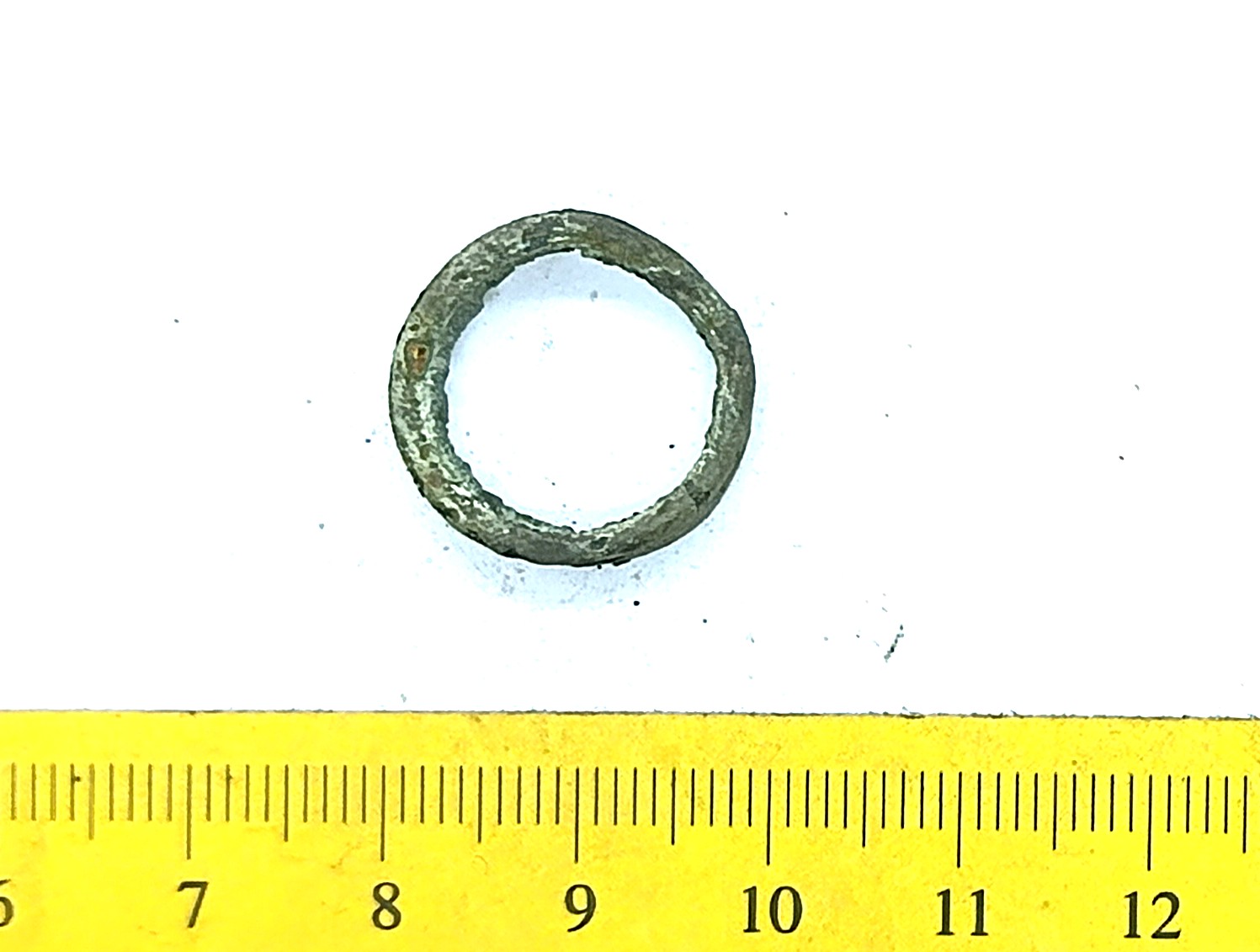
Big spiral, copper alloy.
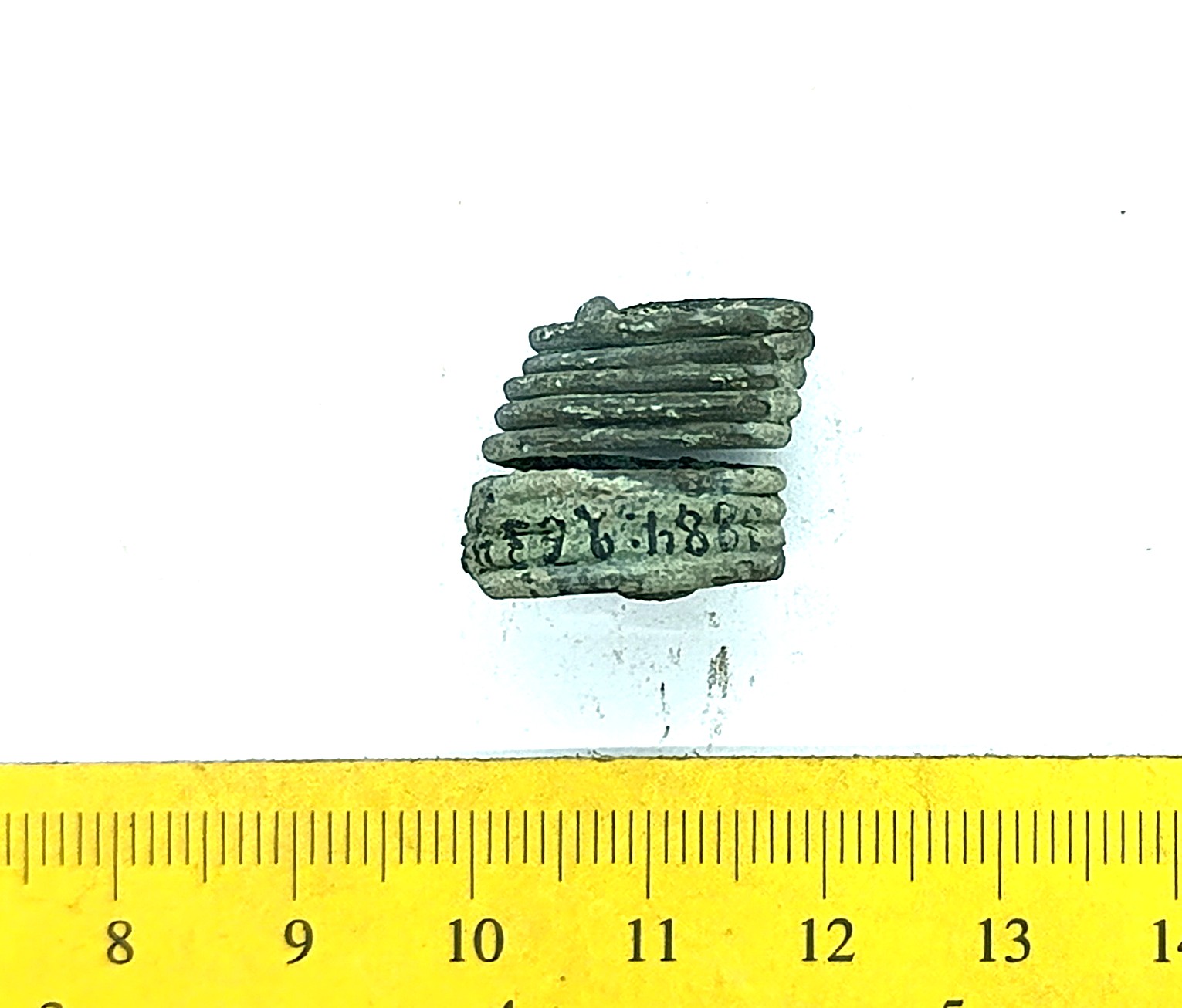
Viltina
Big spiral, copper alloy.
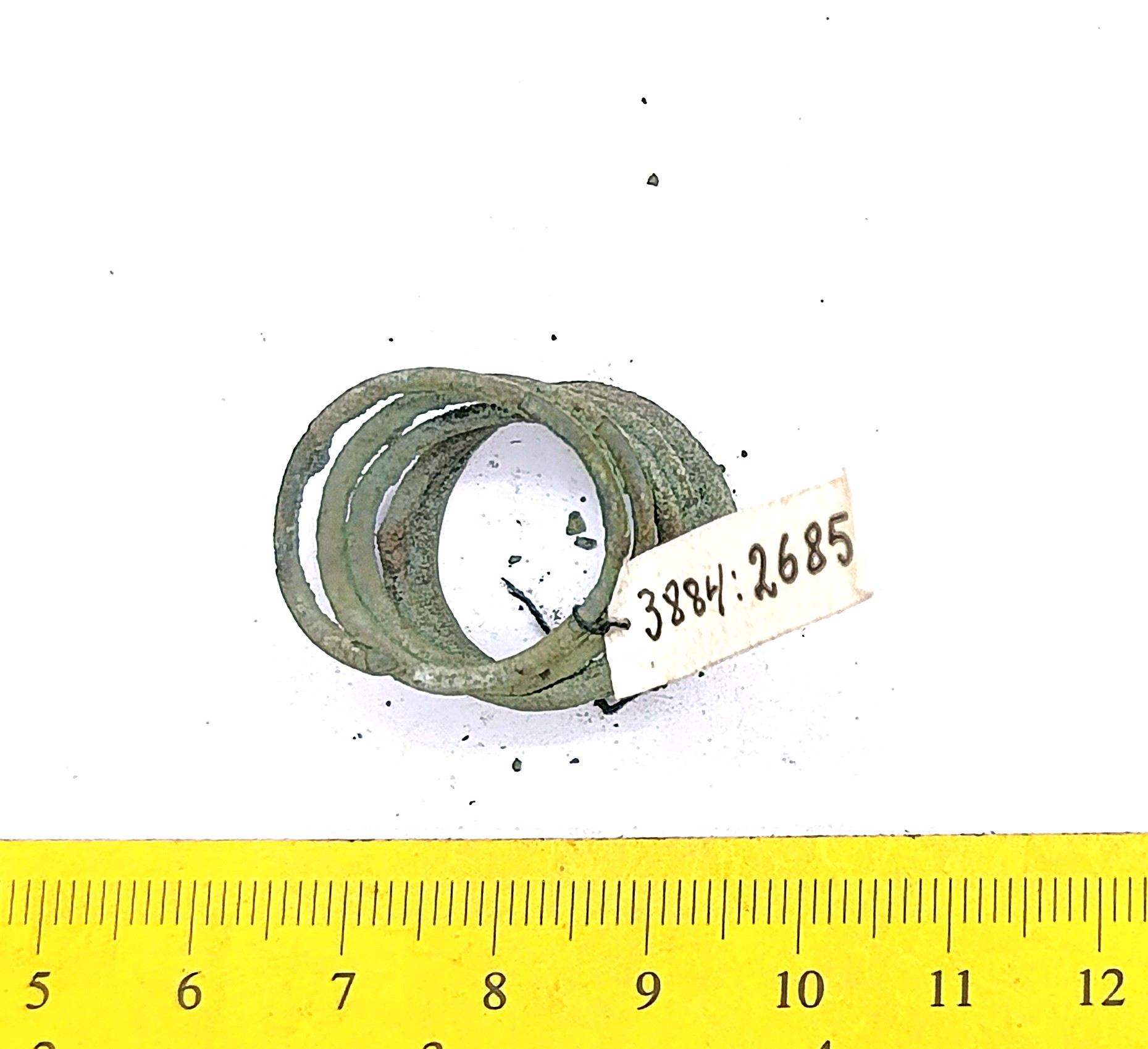
Viltina
Big spiral, copper alloy.
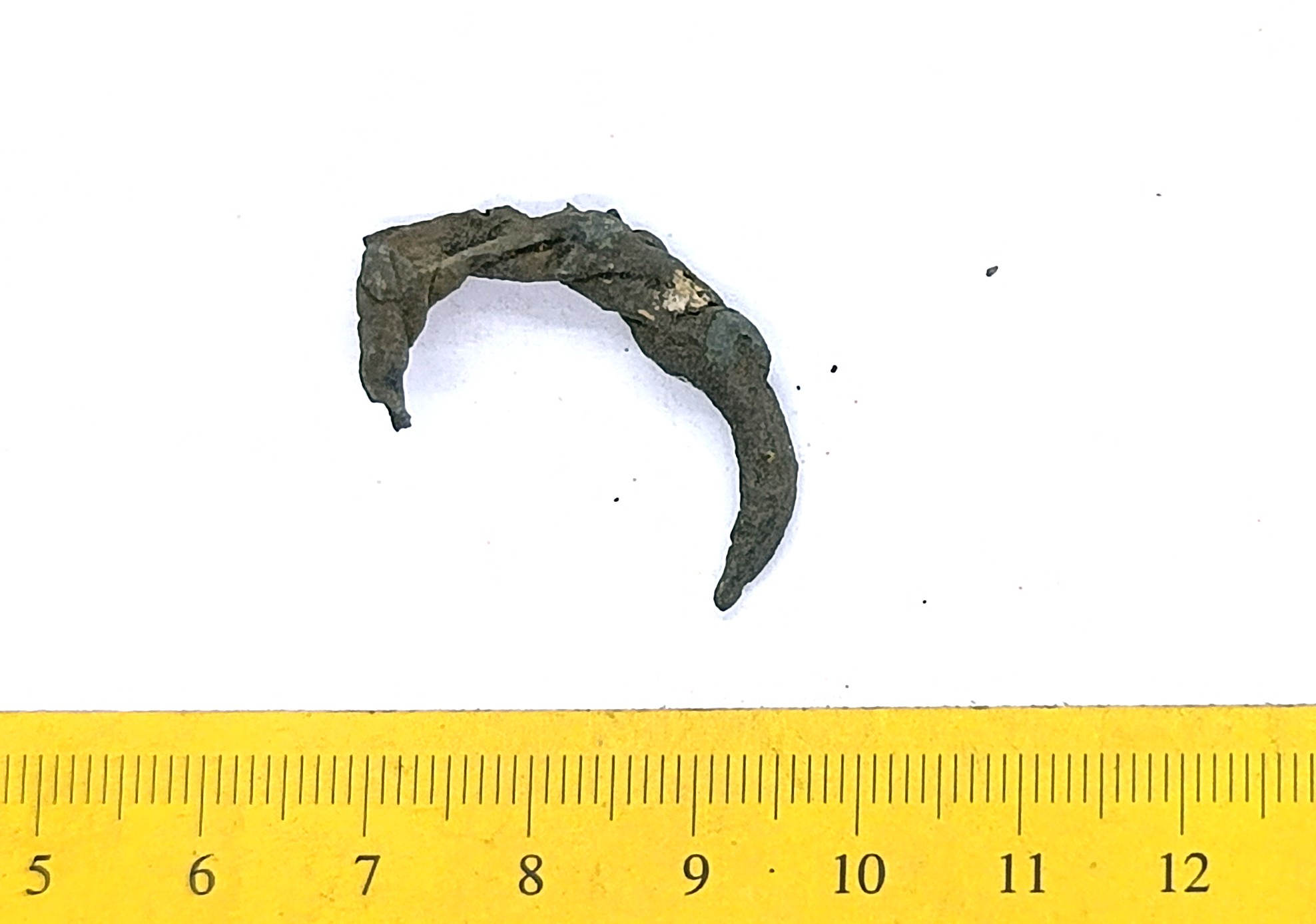
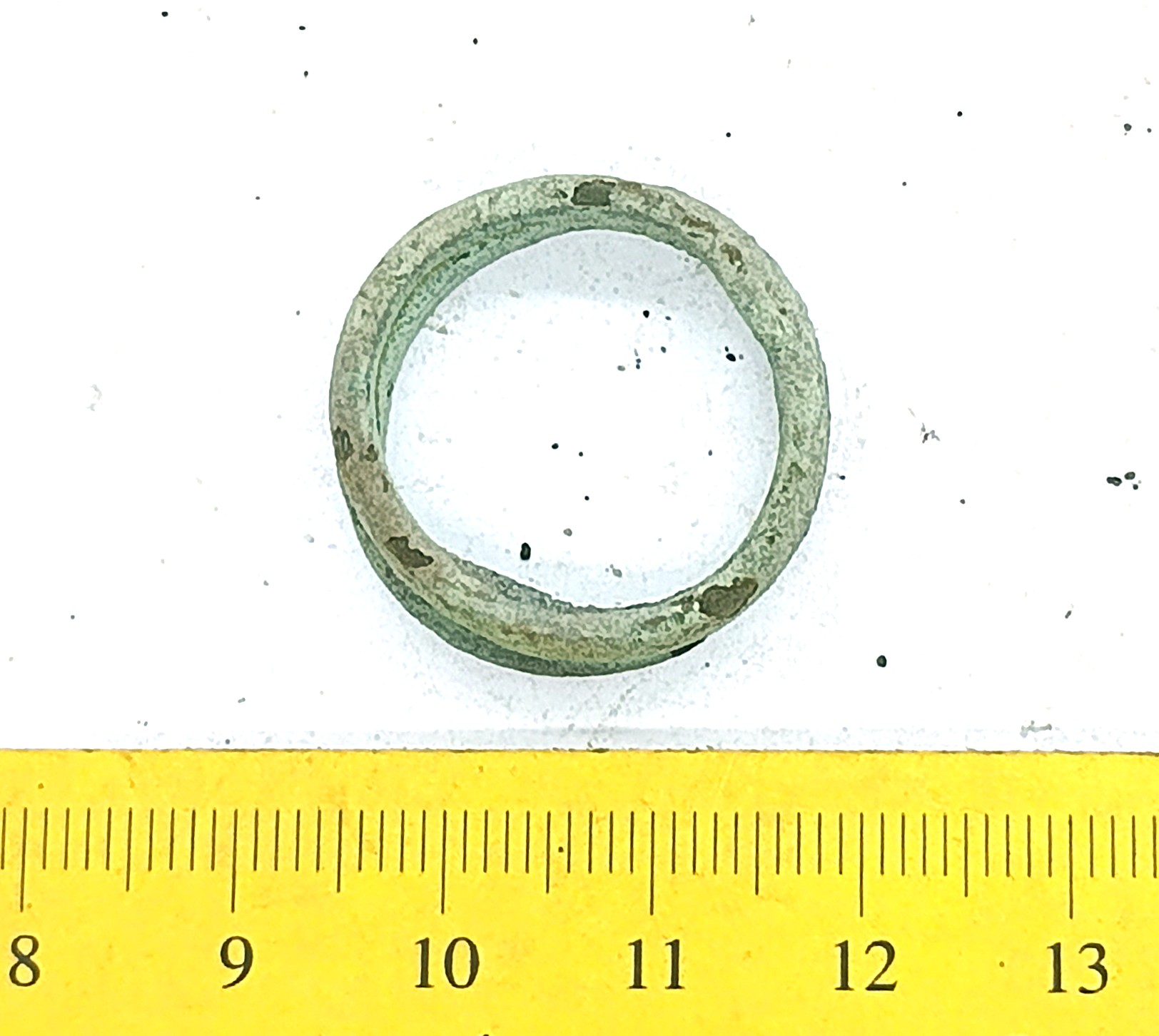
Finger-ring, copper alloy. This type of finger-ring has a twisted thickening middle section. In Latvia, they are dated from the second half of the 12th to the 12th–14th century (Valk & Laul 2014 1991, 188121).
Valk, H. & Laul, S. 2014. Siksälä kalme I: Muistis ja Ajalugu. Tartu ülikool, Ajaloo ja arheoloogia instituut, Tallinn.

