
Database
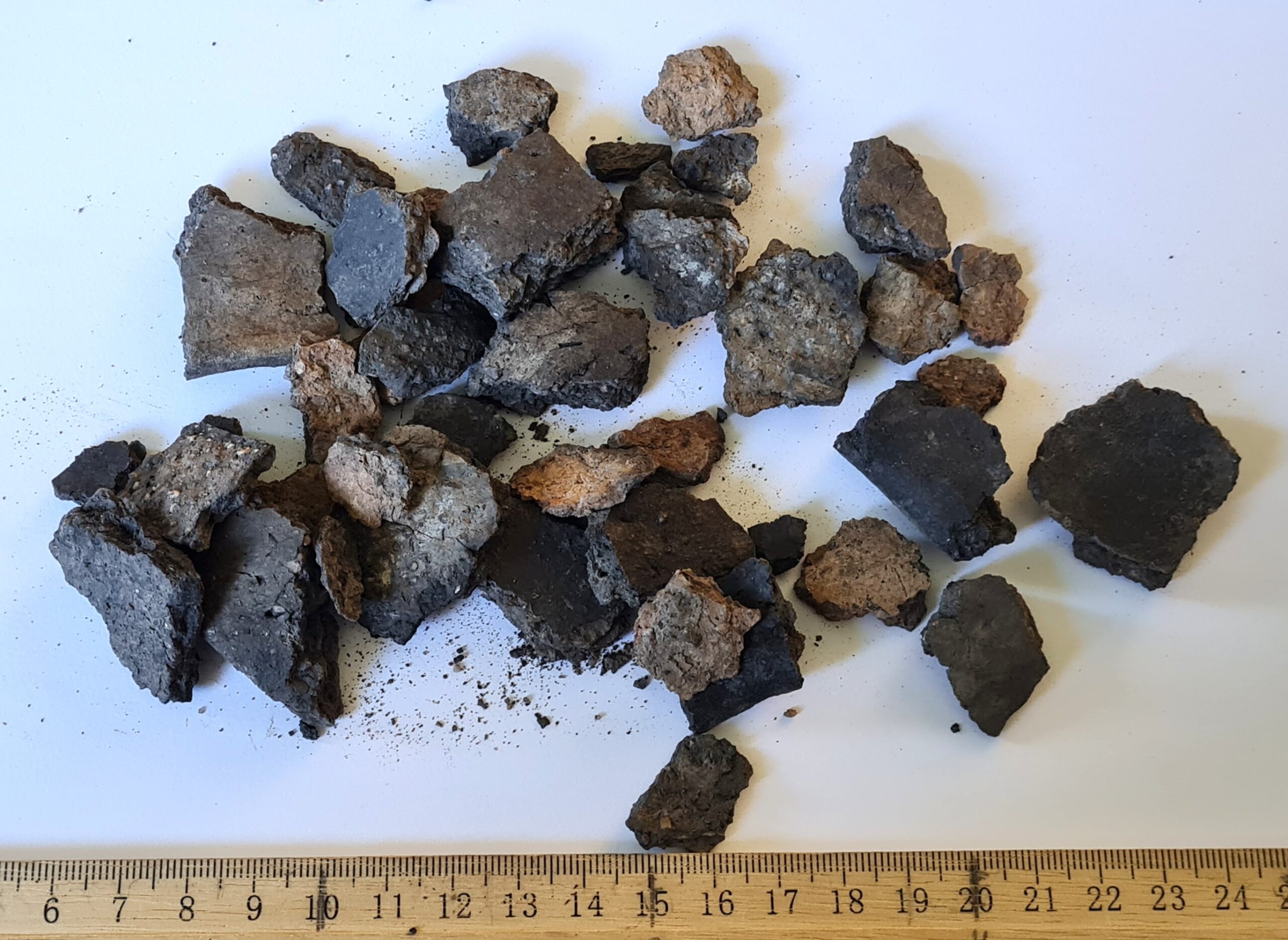
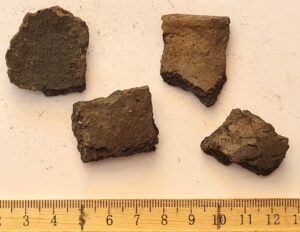
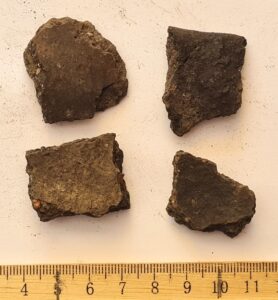
Potsherds. Late Prehistoric or Medieval.
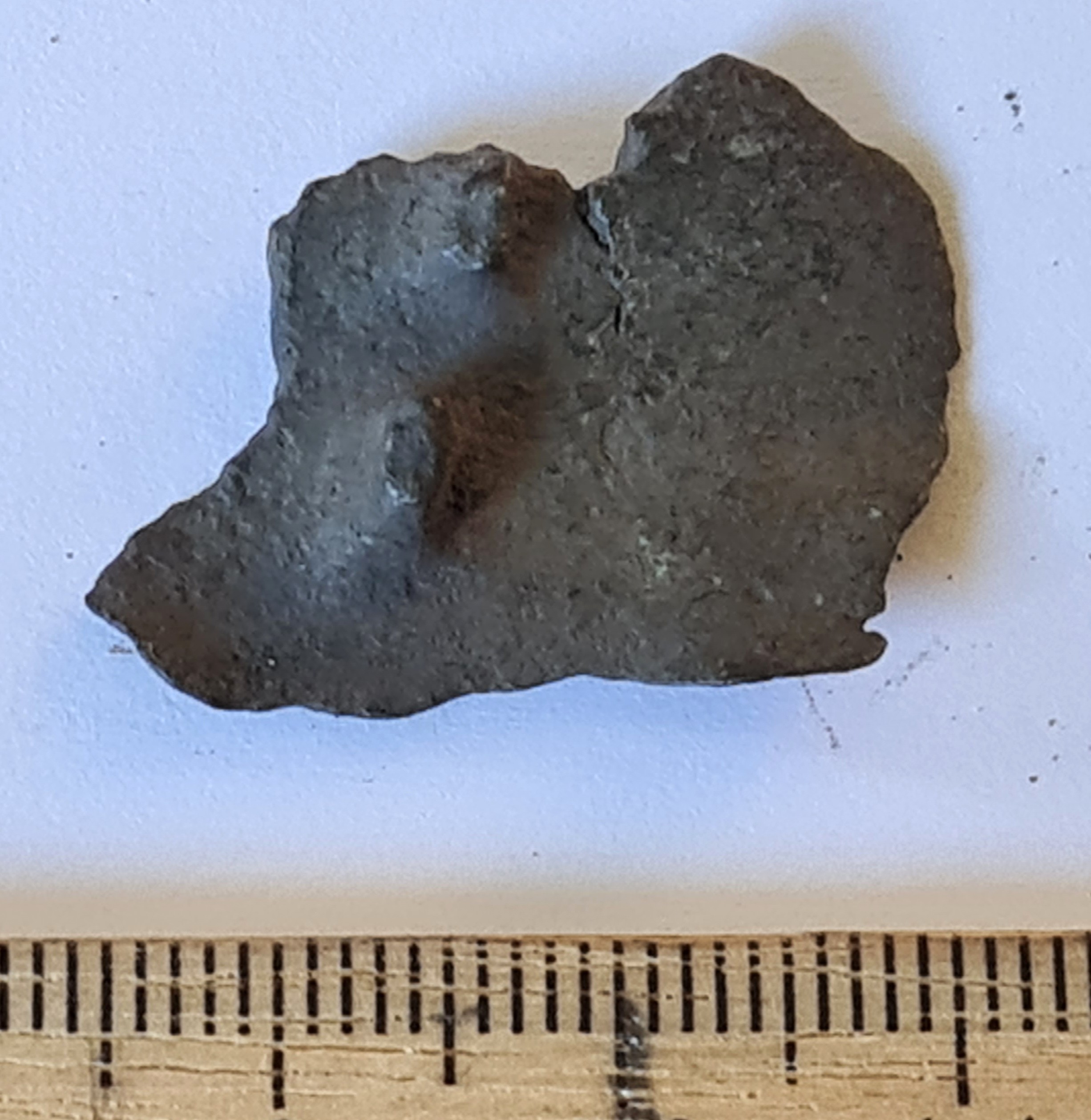
Fragment of artefact, copper alloy.
Muhu
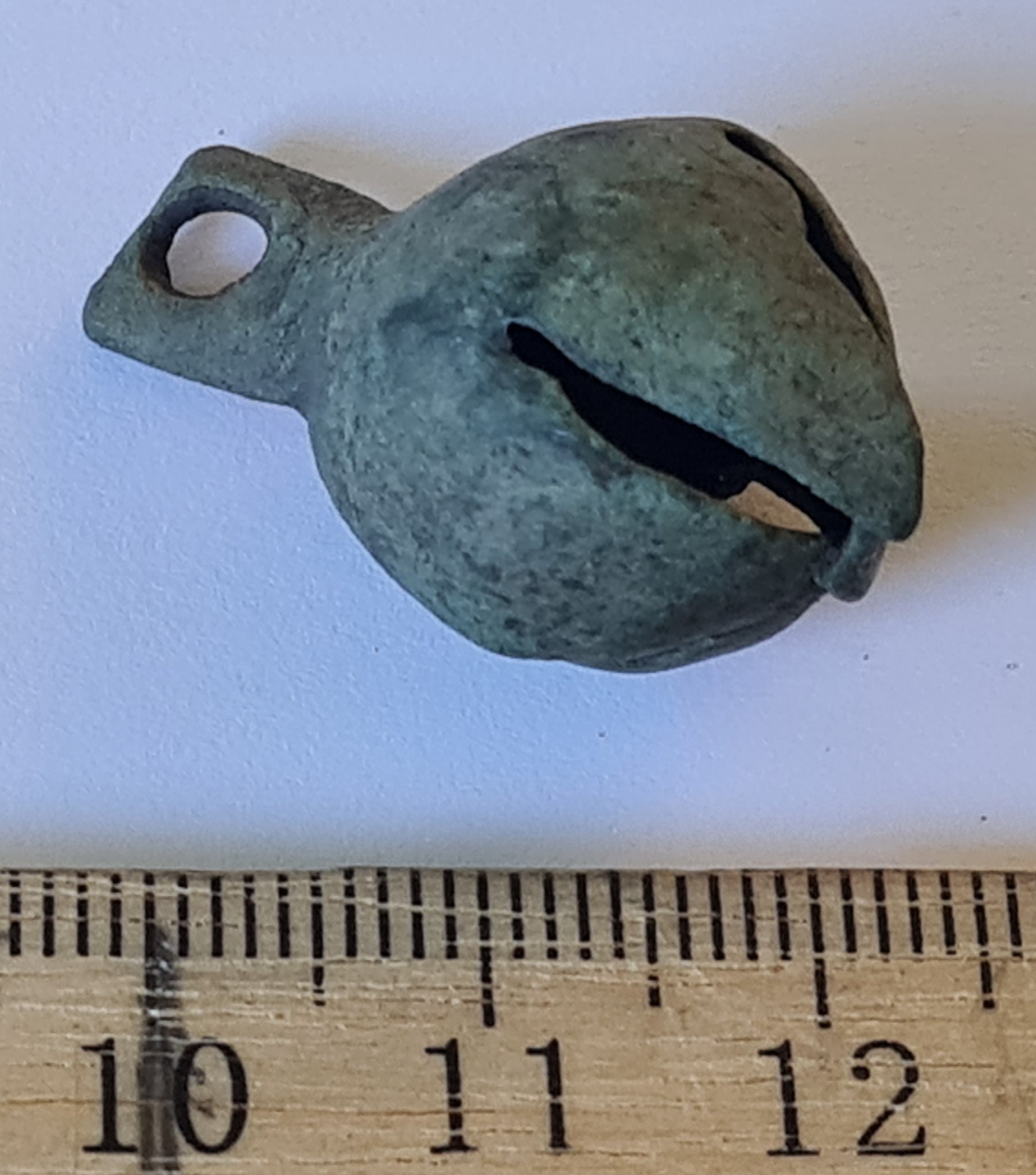
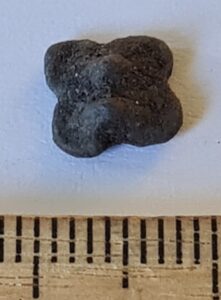
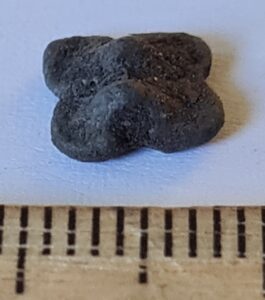
Bell, copper alloy. Four-lobed, plain, with a square suspension loop.
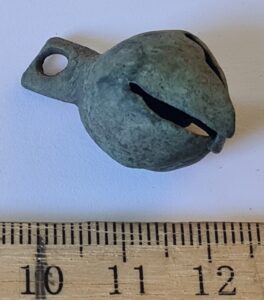
Bell, copper alloy. Four-lobed, plain, with a square suspension loop. Such bells have been found in large numbers, for example at the Siksälä cemetery, where they are mostly dated to the 14th century and occasionally also to the 15th century (Valk & Laul 2014, 110; Valk et al. 2014). They are also known from Courland, for instance from the Vilkmuiža burials at Dundaga (e.g. Muižnieks & Žeiere 2021, 321). They were worn both as parts of necklaces and, in the case of men, for example as buttons. Bells of this shape are also abundantly known from the Muhu settlement site.
Valk, H. & Laul, S. 2014. Siksälä kalme I: Muistis ja Ajalugu. Tartu ülikool: Tartu.; Valk, H., Ratas, J., Laul, S. 2014. Siksälä kalme II. Matuste ja leidude kataloog. Tartu Ülikool: Tartu.; Muižnieks, V. & Žeiere, I. 2021. Dundagas Laukmuižas 13. – 14. gadsimta senkapi. The 13th-14th Century Cemetery of Dundagas Laukmuiža. – Latvias nacionālā vēstures muzeja raksti nr. 30. Arheoloģija. Rīga.
Muhu
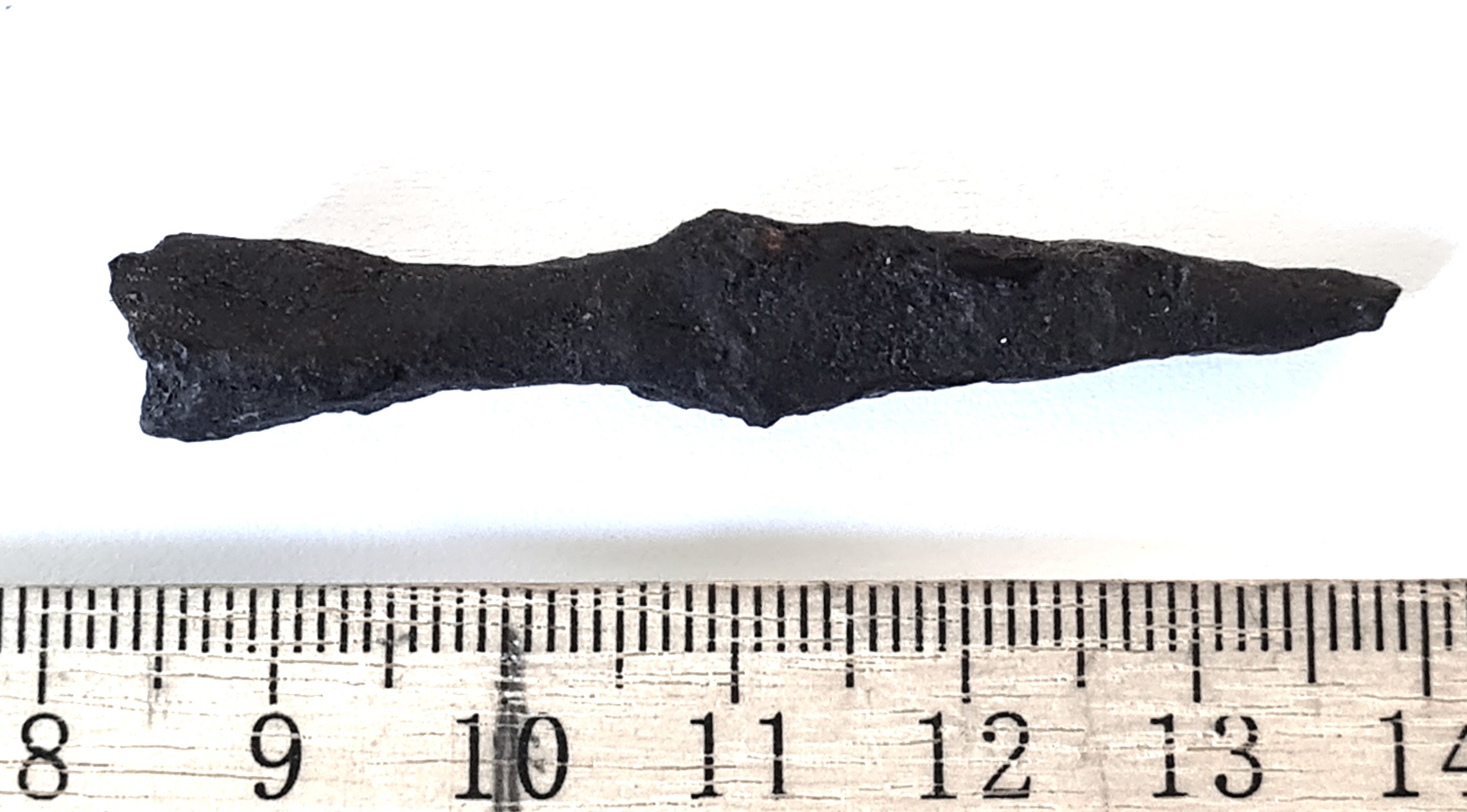
Arrow-head, iron. Most likely crossbow bolt.
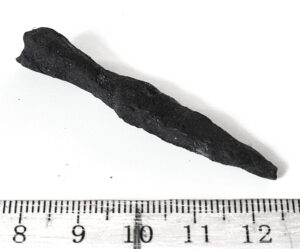
Arrow-head, iron. Most likely crossbow bolt. With a pyramidal head, the greatest width at the base of the blade where it transitions to the socket – Mäesalu type A I. Comparable examples have been found, for instance, at the Varbola hillfort (e.g. AI 3864: 1; 5299: 23, 305). Crossbows came into use in the Baltic region already at the very end of the 12th century, but heads of the present type are dated in Estonia mainly to the first half of the 13th century (Mäesalu 1991). In Latvia, such crossbow bolt heads are dated from the late 12th century to the early 14th century (Mugurēvičs 2008, 202).
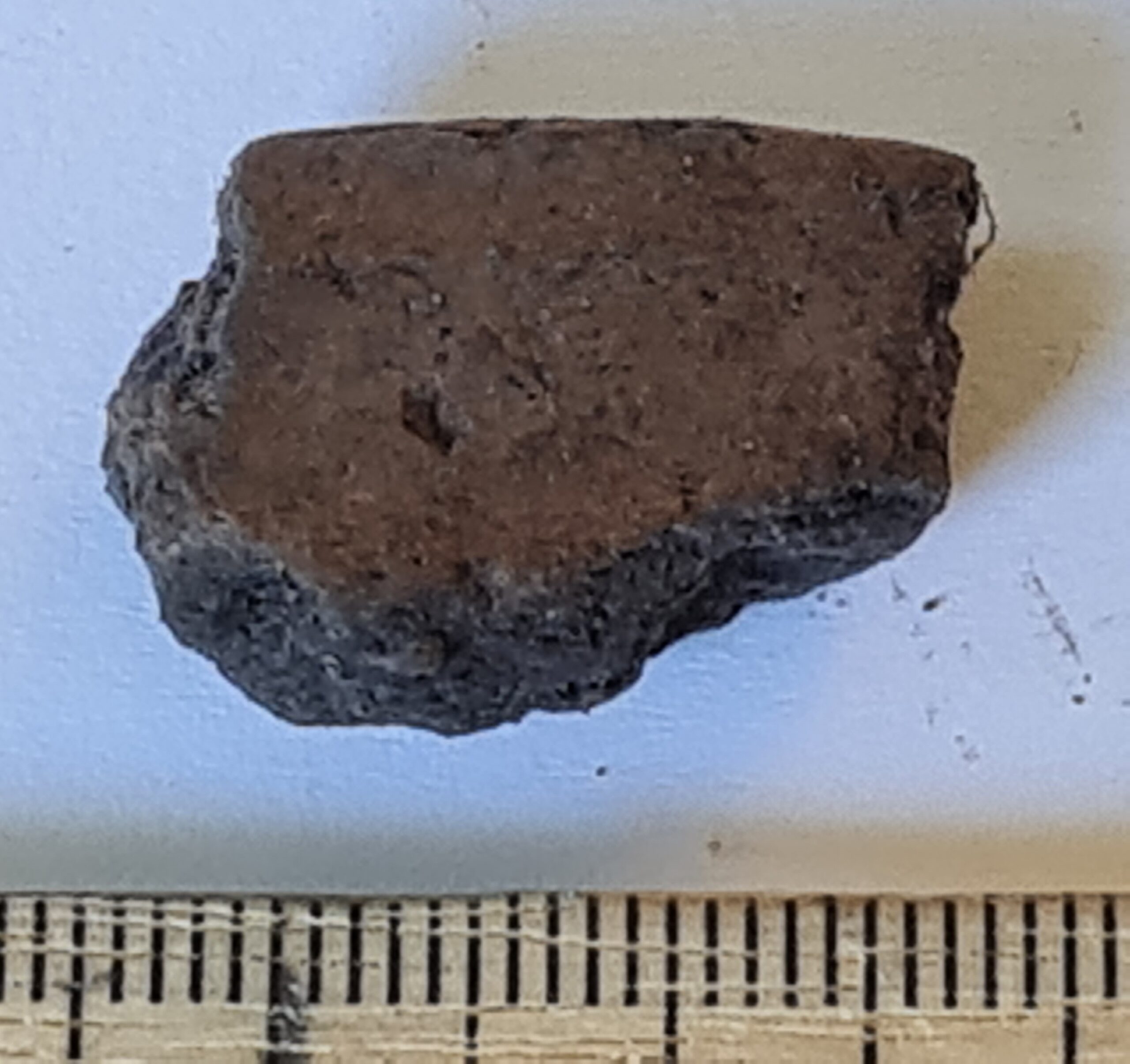
Potsherds. Late Prehistoric or Medieval.
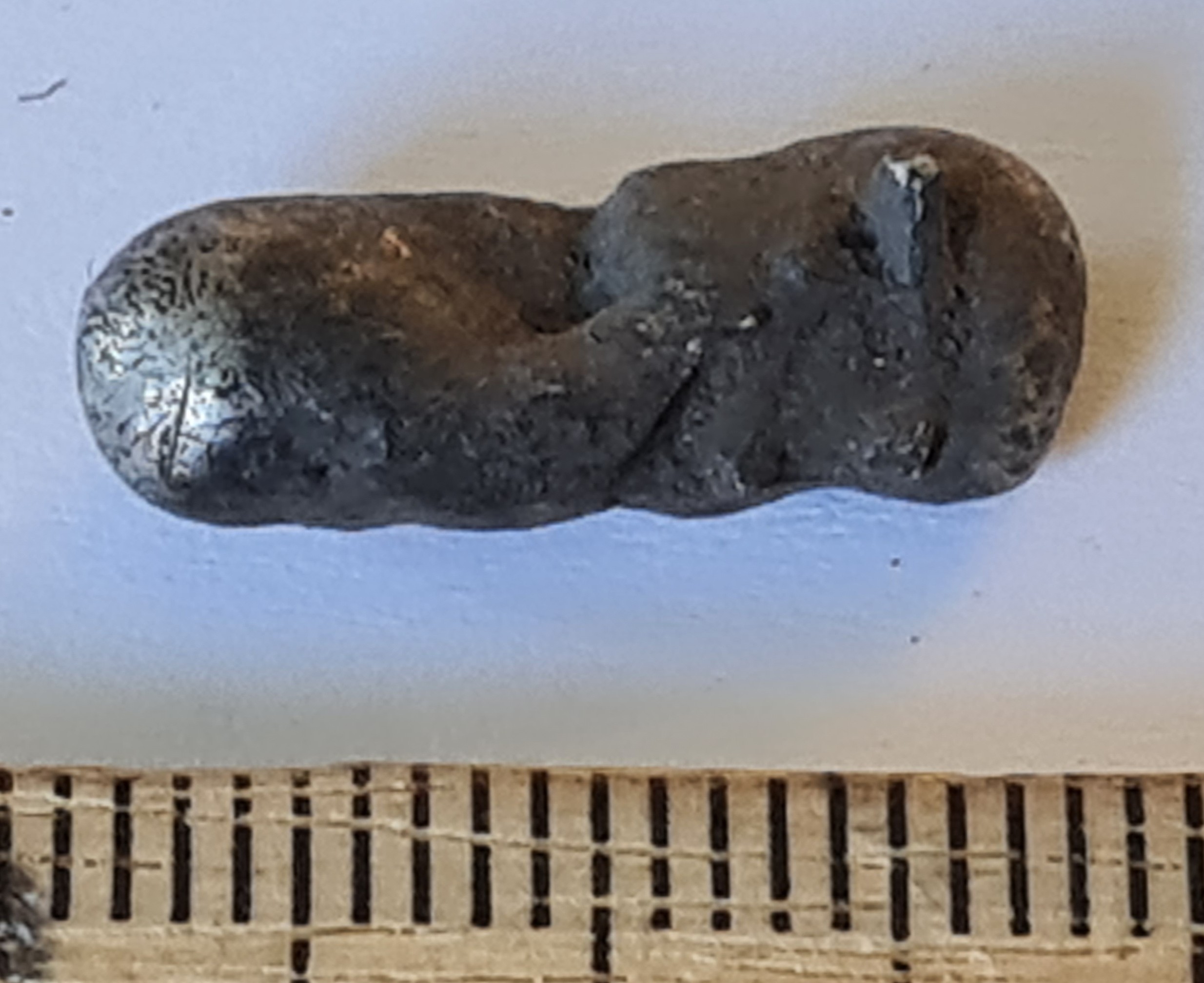
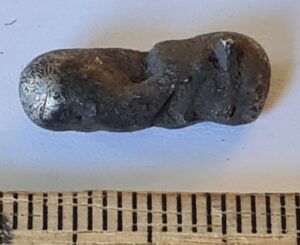
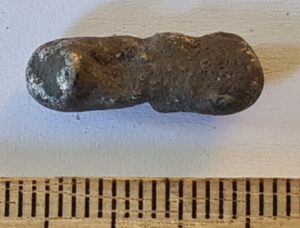
Melted piece of silver.
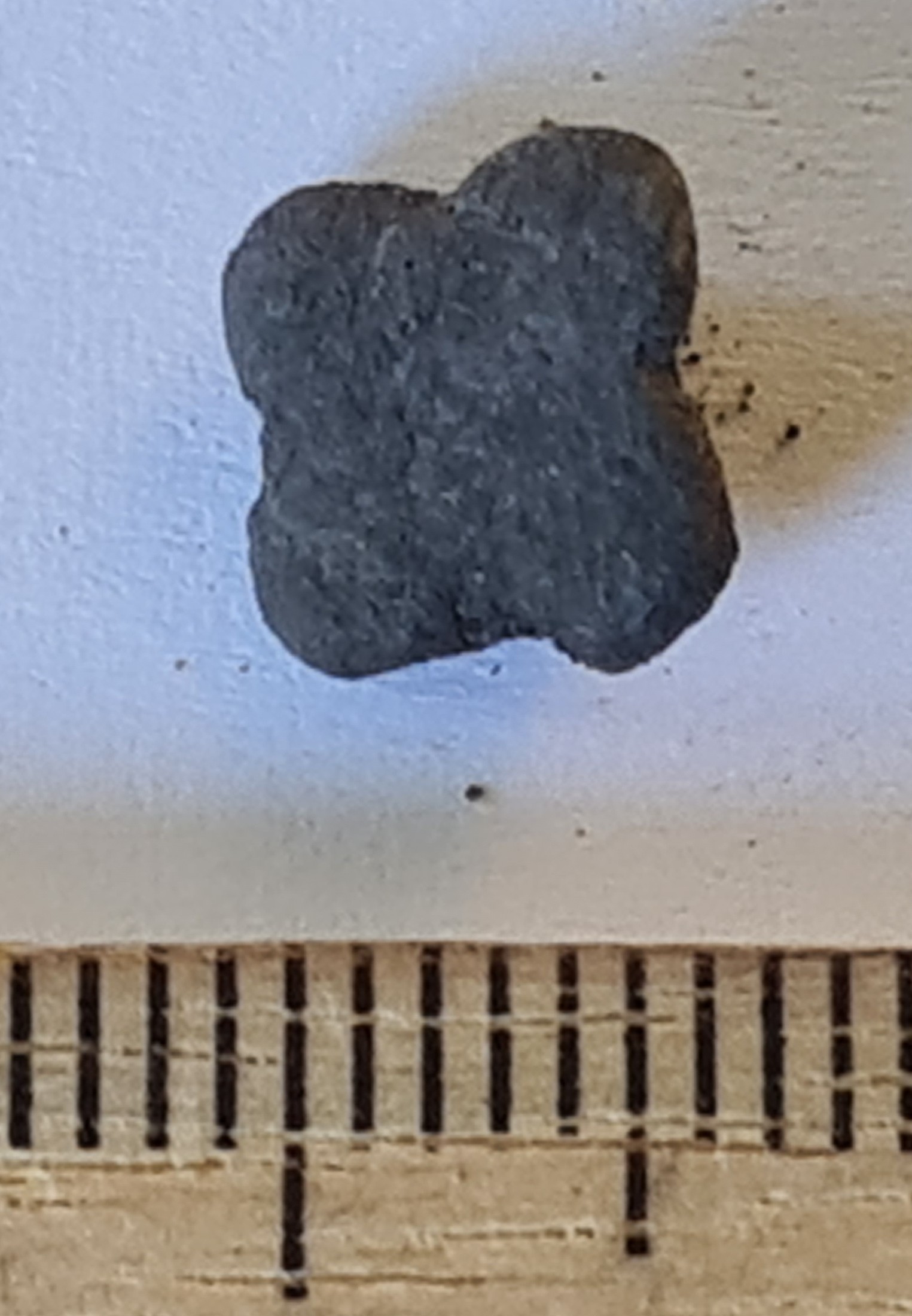
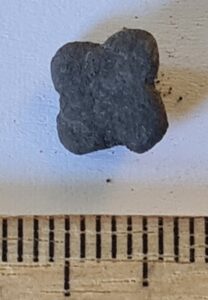
Mount, tin. Medieval or Early Modern.
Muhu
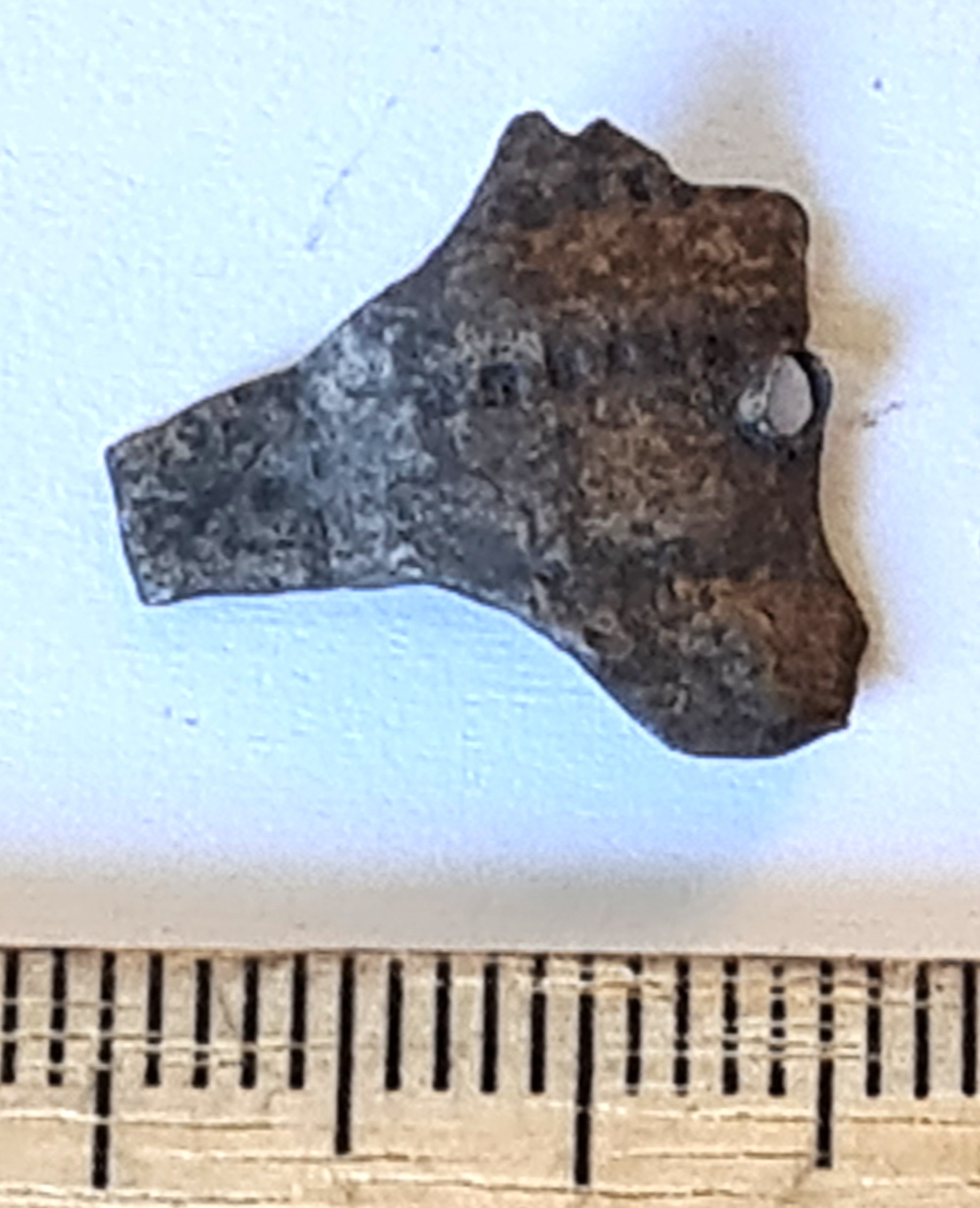
Fragment of finger-ring with middle shield, copper alloy.
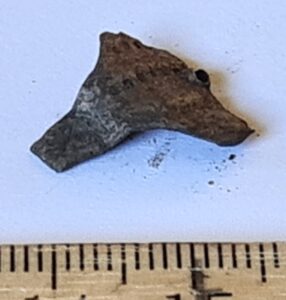
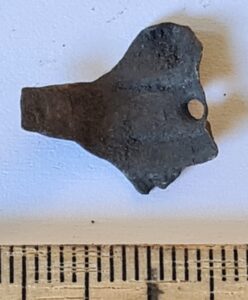
Fragment of finger-ring with middle shield, copper alloy. In Siksälä, such examples have been found mainly in burials dating to the late 13th or 14th century (e.g. Valk et al 2014, 27). In any case, they should not be earlier than the mid-13th century, but they may also date as late as the 15th century (Valk & Laul 2014, 118).
Valk, H. & Laul, S. 2014. Siksälä kalme I: Muistis ja Ajalugu. Tartu ülikool: Tartu.; Valk, H., Ratas, J., Laul, S. 2014. Siksälä kalme II. Matuste ja leidude kataloog. Tartu Ülikool: Tartu
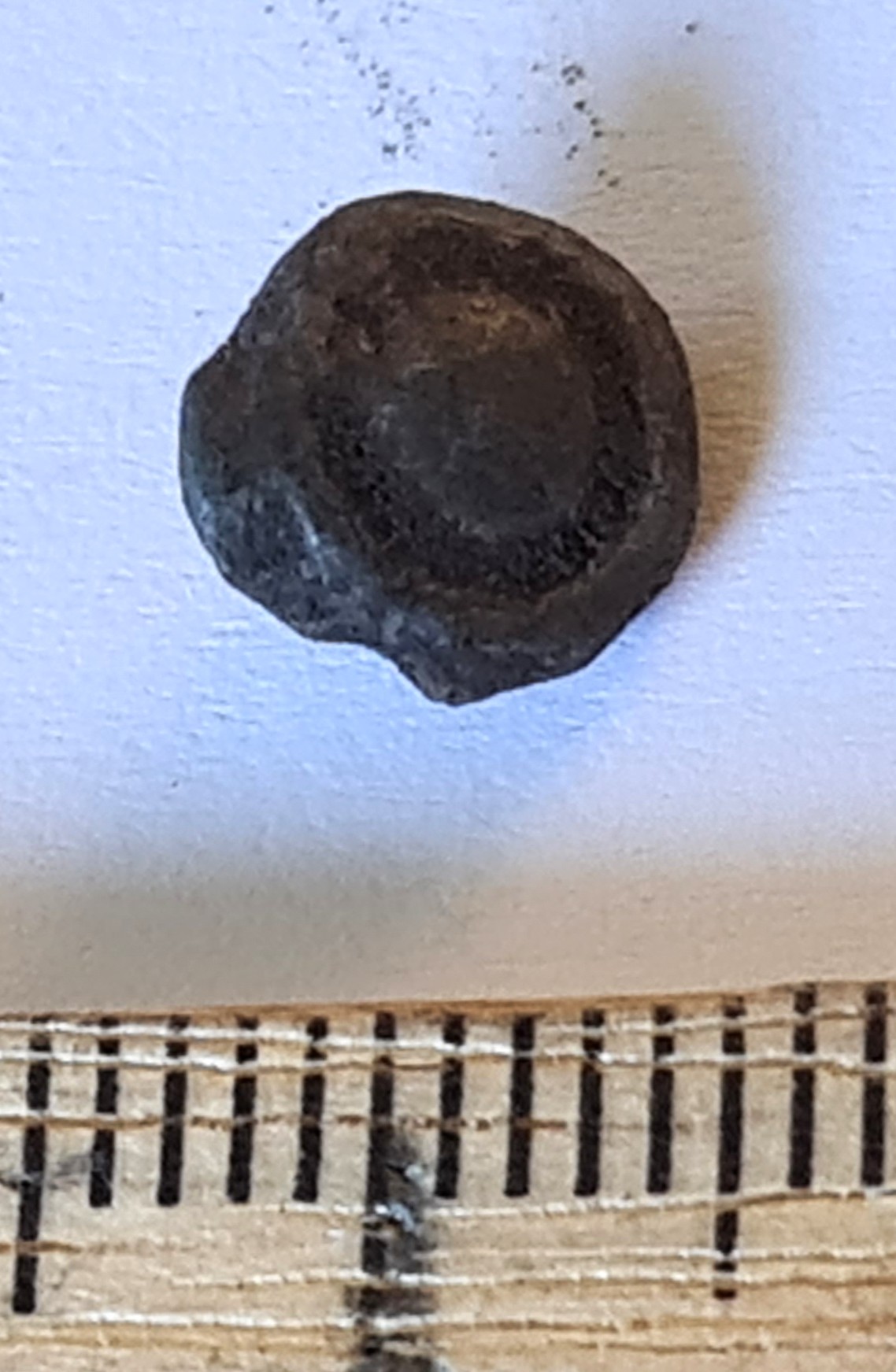
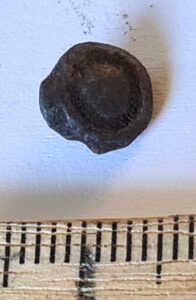
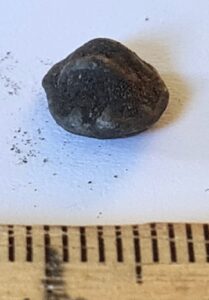
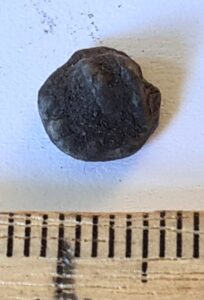
Mount, tin. Medieval or Early Modern. Tin mounts occur in a wide variety of shapes; however, at Siksälä, mounts of this particular form have been found in burials 22 and 33, both dated to the 14th century (Valk et al. 2014, 43, 54).
Valk, H., Ratas, J., Laul, S. 2014. Siksälä kalme II. Matuste ja leidude kataloog. Tartu Ülikool: Tartu.

