
Database
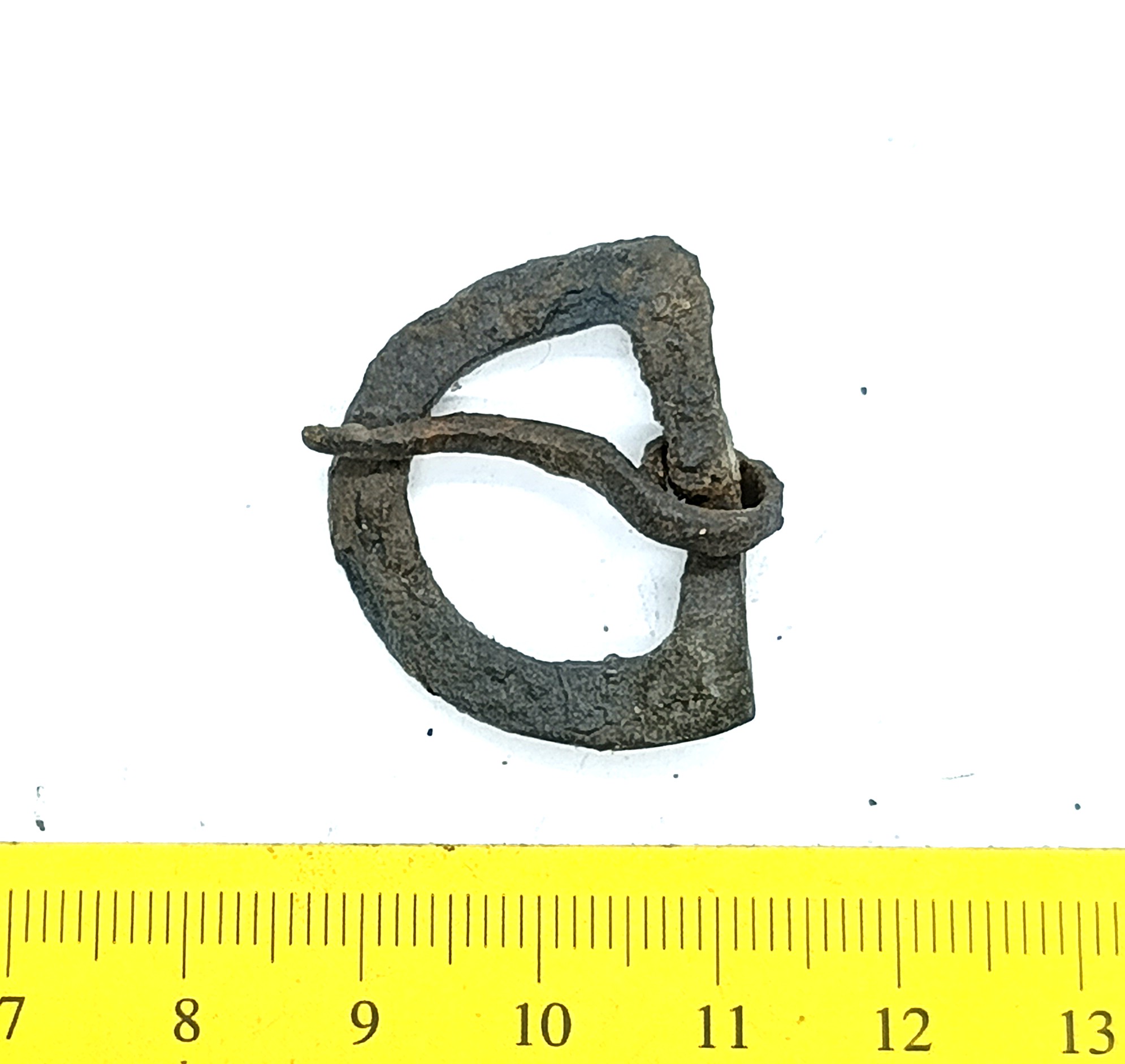
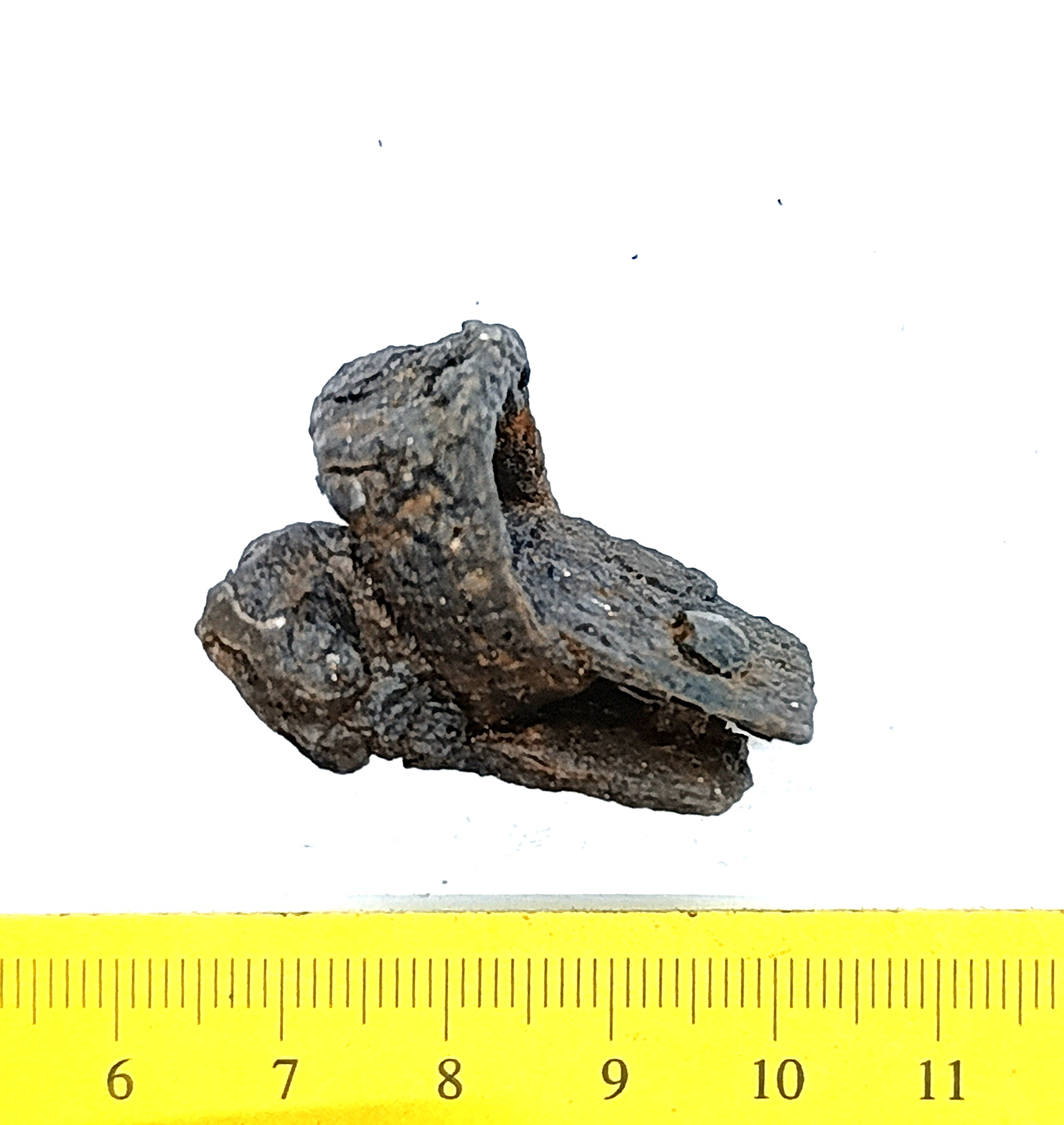
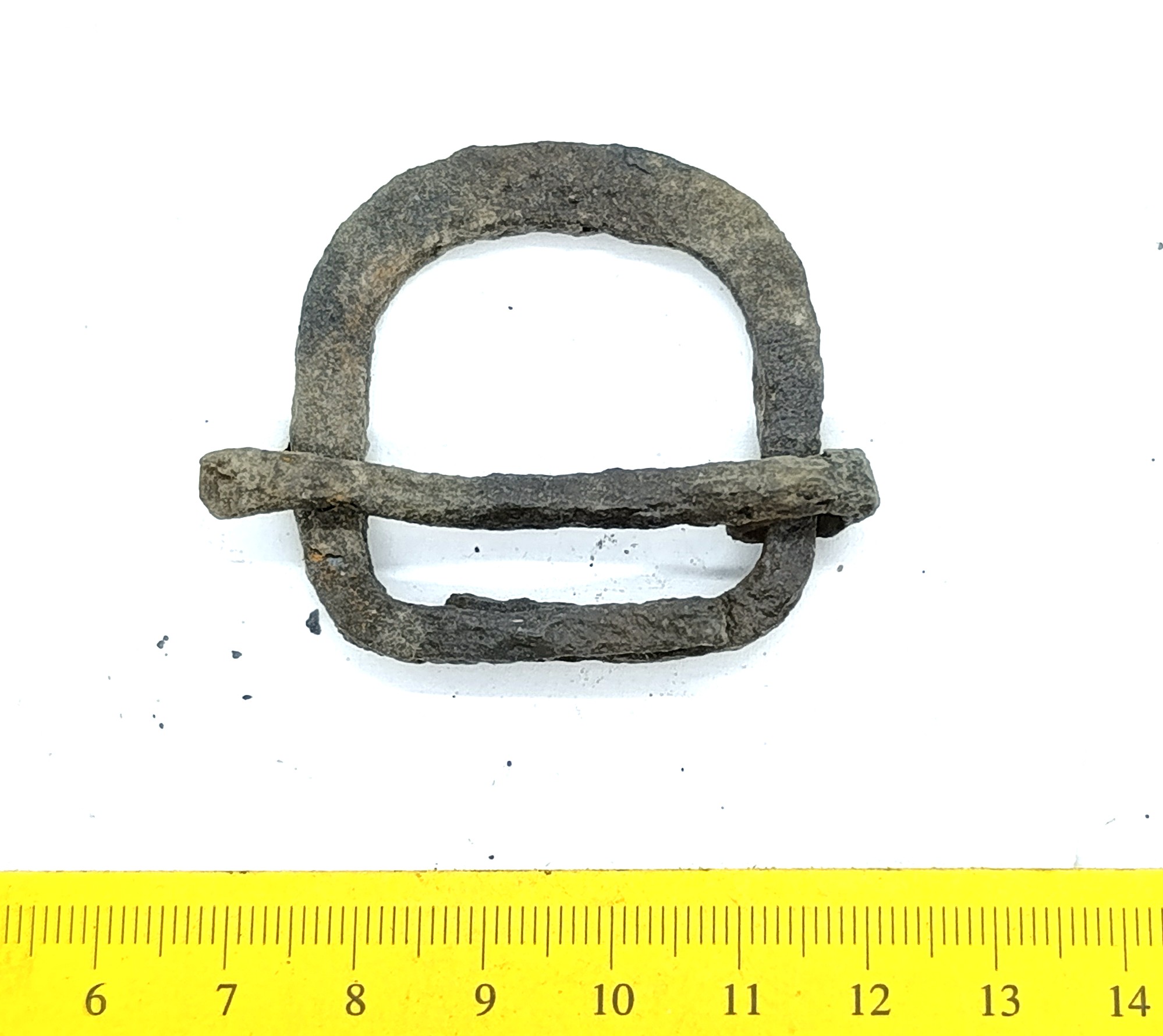
 Buckle, iron. Perhaps part of bridles. This type of buckles usually includes a simple iron belt strap. They have been found mainly in stone graves and are not dated more precisely.
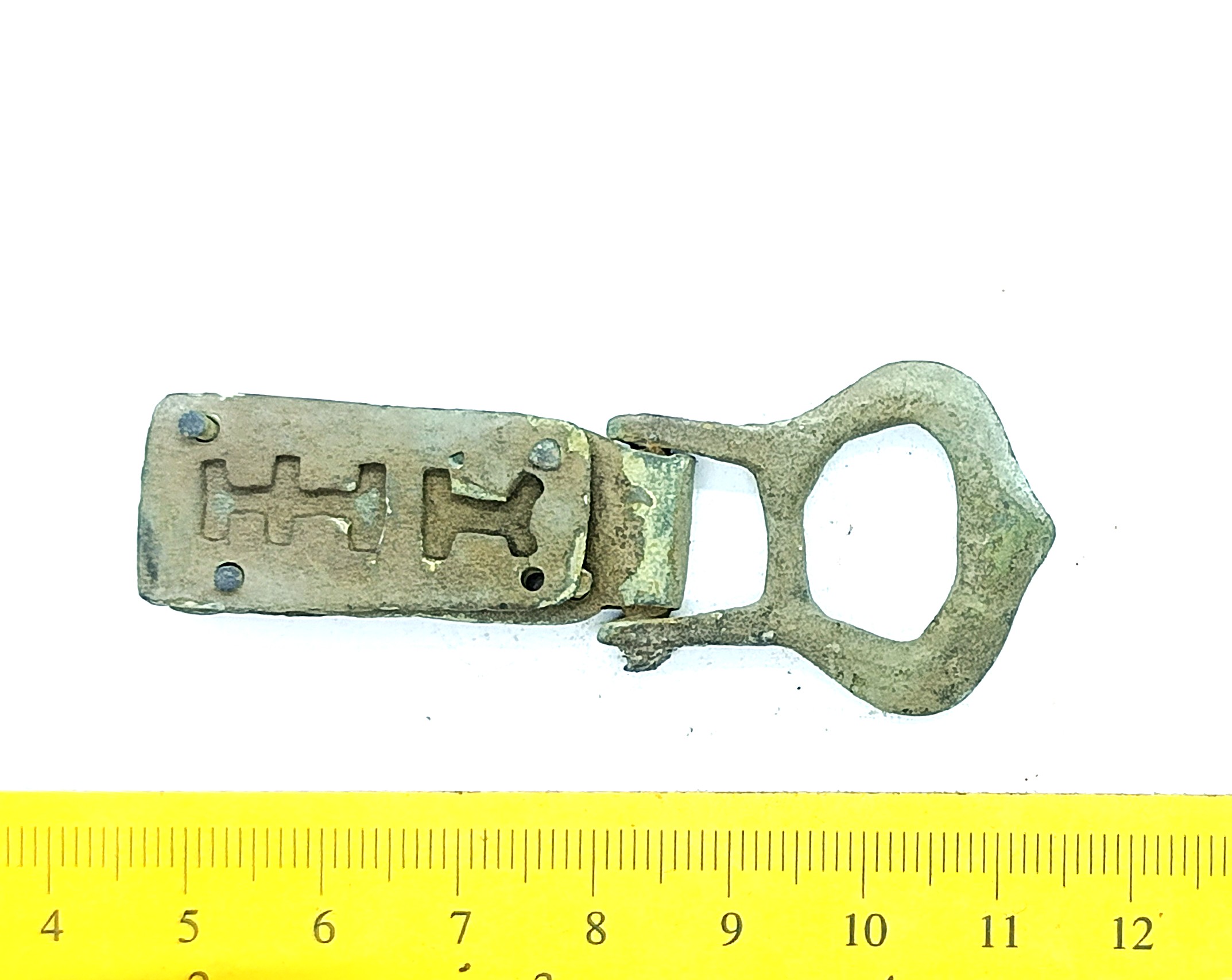
Viltina
Gotland-Baltic type buckle, copper alloy.
 Gotland-Baltic type buckle, copper alloy. Previously the buckle type was believed to have developed in Gotland. Later data, however, shows that the buckle form could originate from the Baltics after which it was adapted in Gotland (Lehtsalo-Hilander 1982, 149–151; Mägi 2002, 97; for Gotlandic material see Thunmark-Nylen 1992, Pl. 127–129). The earliest buckles of this type belong to the second half of the 10th century, but the latest variants can also be found in the 13th-century inhumation graves (e.g. Zariņa 2006, 233-237). This specimen is probably the earlier variant.
Lehtsalo-Hilander, P.-L. 1982. Luistari II: The Artefacts. SMYA 82: 2. Helsinki.
Thynmark-Nylén, L. 1998. Die Wikingerzeit Gotlands II, Typentafeln. Stockholm: Kungl.Vitterhets Historie och Antikvitets Akademien.
Mägi, M. 2002. At the Crossroads of Space and Time. Graves, Changing Society and Ideology on Saaremaa (Ösel), 9th–13th Centuries AD. (CCC Papers, 6.) Tallinn.
Zariņa, A. 2006. Salaspils Laukskolas kapulauks 10.–13. gadsimts. Rīga: Latvijas Vēstures Institūta Apgāds.
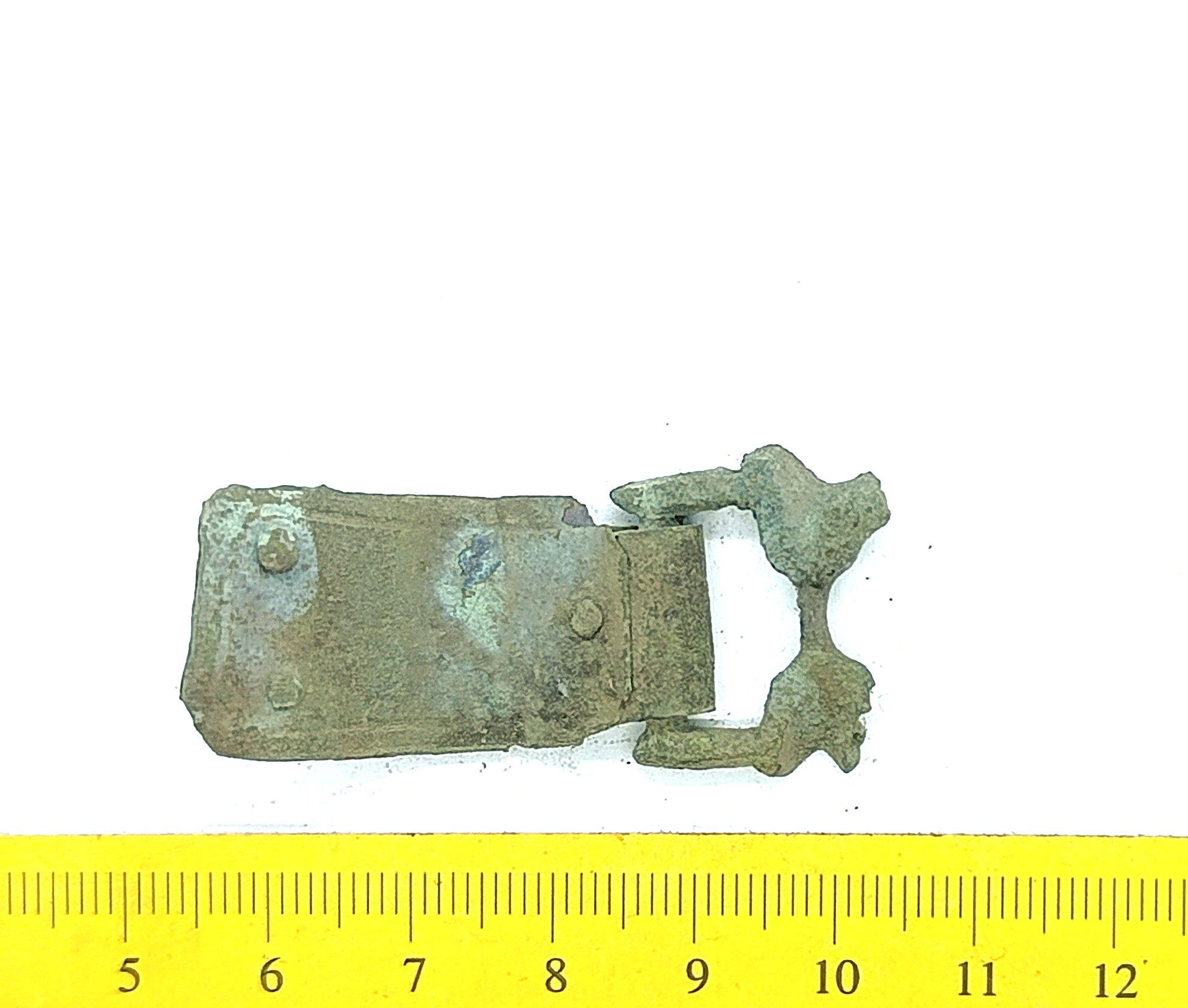
Viltina
Gotland-Baltic type buckle, copper alloy.
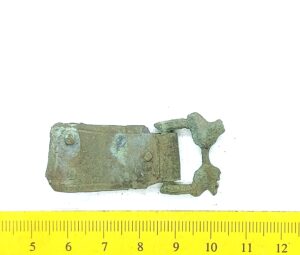
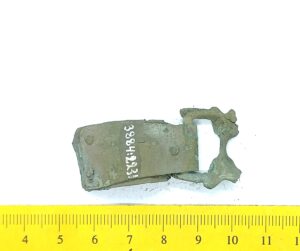 Gotland-Baltic type buckle, copper alloy. Previously the buckle type was believed to have developed in Gotland. Later data, however, shows that the buckle form could originate from the Baltics after which it was adapted in Gotland (Lehtsalo-Hilander 1982, 149–151; Mägi 2002, 97; for Gotlandic material see Thunmark-Nylen 1992, Pl. 127–129). The earliest buckles of this type belong to the second half of the 10th century, but the latest variants can also be found in the 13th-century inhumation graves (e.g. Zariņa 2006, 233-237).
Lehtsalo-Hilander, P.-L. 1982. Luistari II: The Artefacts. SMYA 82: 2. Helsinki.
Thynmark-Nylén, L. 1998. Die Wikingerzeit Gotlands II, Typentafeln. Stockholm: Kungl.Vitterhets Historie och Antikvitets Akademien.
Mägi, M. 2002. At the Crossroads of Space and Time. Graves, Changing Society and Ideology on Saaremaa (Ösel), 9th–13th Centuries AD. (CCC Papers, 6.) Tallinn.
Zariņa, A. 2006. Salaspils Laukskolas kapulauks 10.–13. gadsimts. Rīga: Latvijas Vēstures Institūta Apgāds.
Viltina
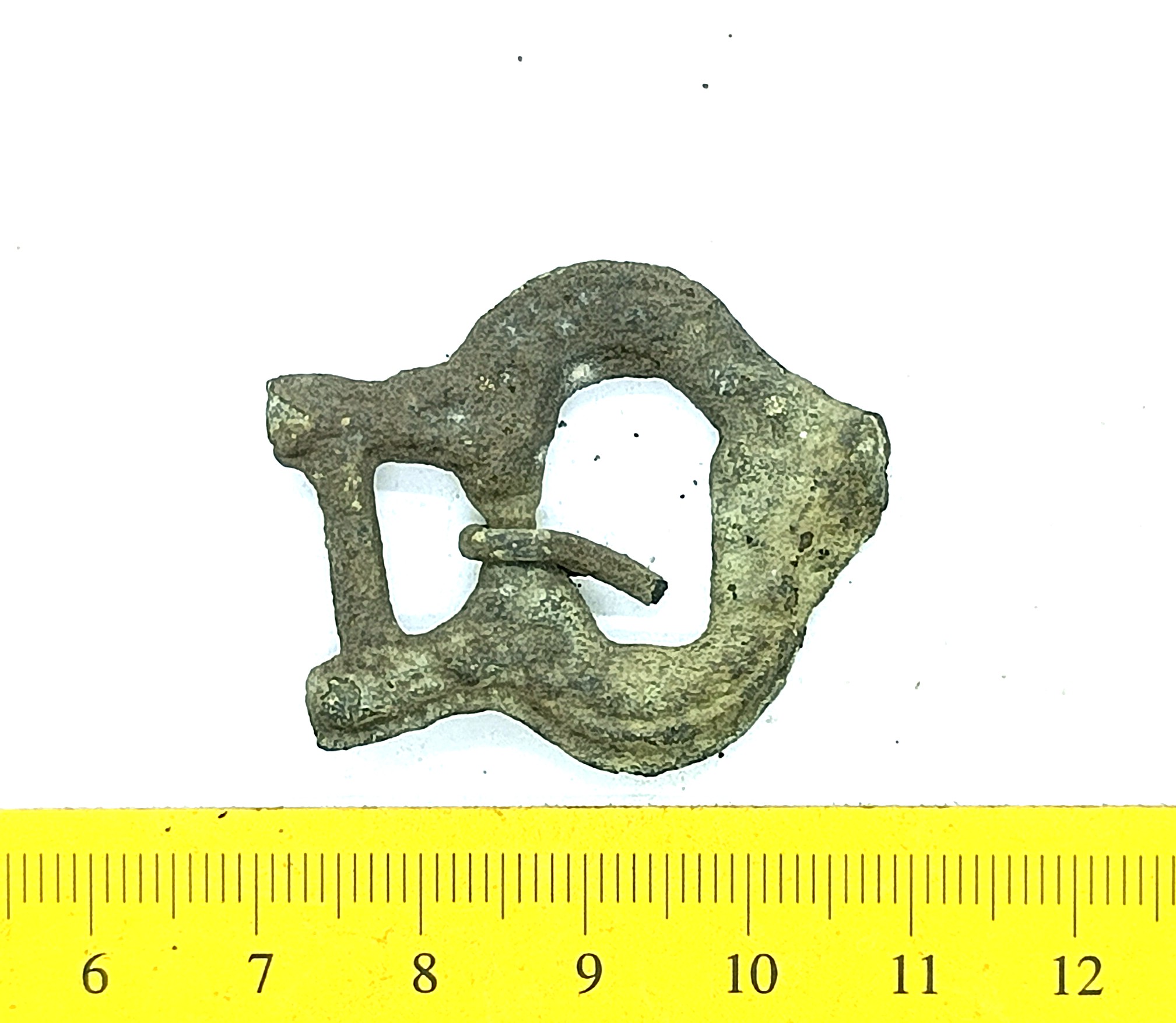
Gotland-Baltic type buckle, copper alloy.
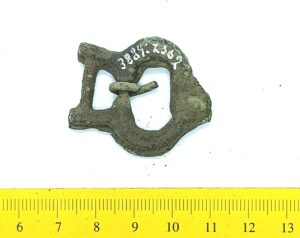 Gotland-Baltic type buckle, copper alloy. Previously the buckle type was believed to have developed in Gotland. Later data, however, shows that the buckle form could originate from the Baltics after which it was adapted in Gotland (Lehtsalo-Hilander 1982, 149–151; Mägi 2002, 97; for Gotlandic material see Thunmark-Nylen 1992, Pl. 127–129). The earliest buckles of this type belong to the second half of the 10th century, but the latest variants can also be found in the 13th-century inhumation graves (e.g. Zariņa 2006, 233-237).
Lehtsalo-Hilander, P.-L. 1982. Luistari II: The Artefacts. SMYA 82: 2. Helsinki.
Thynmark-Nylén, L. 1998. Die Wikingerzeit Gotlands II, Typentafeln. Stockholm: Kungl.Vitterhets Historie och Antikvitets Akademien.
Mägi, M. 2002. At the Crossroads of Space and Time. Graves, Changing Society and Ideology on Saaremaa (Ösel), 9th–13th Centuries AD. (CCC Papers, 6.) Tallinn.
Zariņa, A. 2006. Salaspils Laukskolas kapulauks 10.–13. gadsimts. Rīga: Latvijas Vēstures Institūta Apgāds.
Viltina
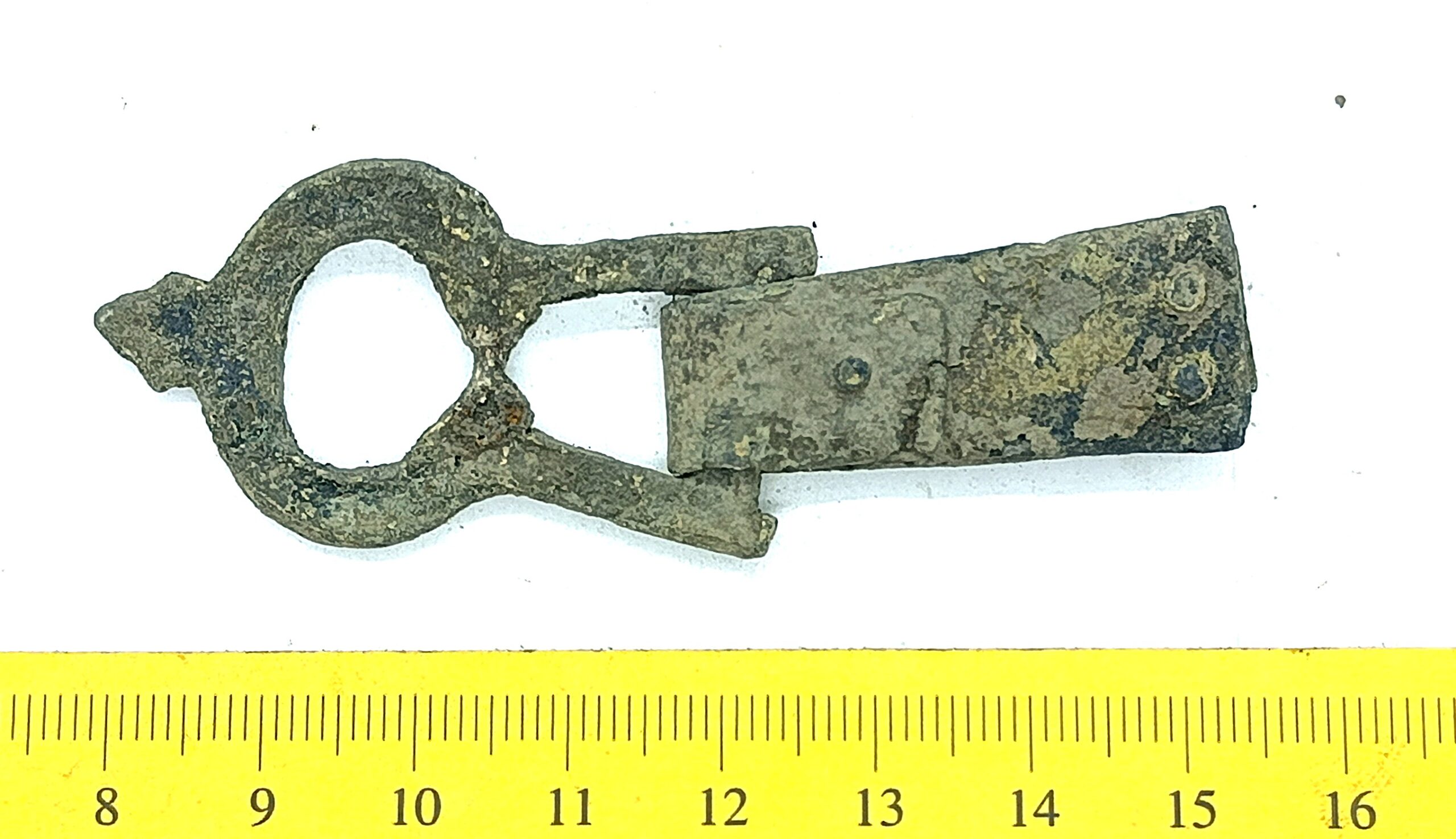
Gotland-Baltic type buckle, copper alloy.
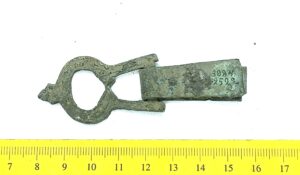 Gotland-Baltic type buckle, copper alloy. Previously the buckle type was believed to have developed in Gotland. Later data, however, shows that the buckle form could originate from the Baltics after which it was adapted in Gotland (Lehtsalo-Hilander 1982, 149–151; Mägi 2002, 97; for Gotlandic material see Thunmark-Nylen 1992, Pl. 127–129). The earliest buckles of this type belong to the second half of the 10th century, but the latest variants can also be found in the 13th-century inhumation graves (e.g. Zariņa 2006, 233-237). This specimen is probably the earlier variant.
Lehtsalo-Hilander, P.-L. 1982. Luistari II: The Artefacts. SMYA 82: 2. Helsinki.
Thynmark-Nylén, L. 1998. Die Wikingerzeit Gotlands II, Typentafeln. Stockholm: Kungl.Vitterhets Historie och Antikvitets Akademien.
Mägi, M. 2002. At the Crossroads of Space and Time. Graves, Changing Society and Ideology on Saaremaa (Ösel), 9th–13th Centuries AD. (CCC Papers, 6.) Tallinn.
Zariņa, A. 2006. Salaspils Laukskolas kapulauks 10.–13. gadsimts. Rīga: Latvijas Vēstures Institūta Apgāds.
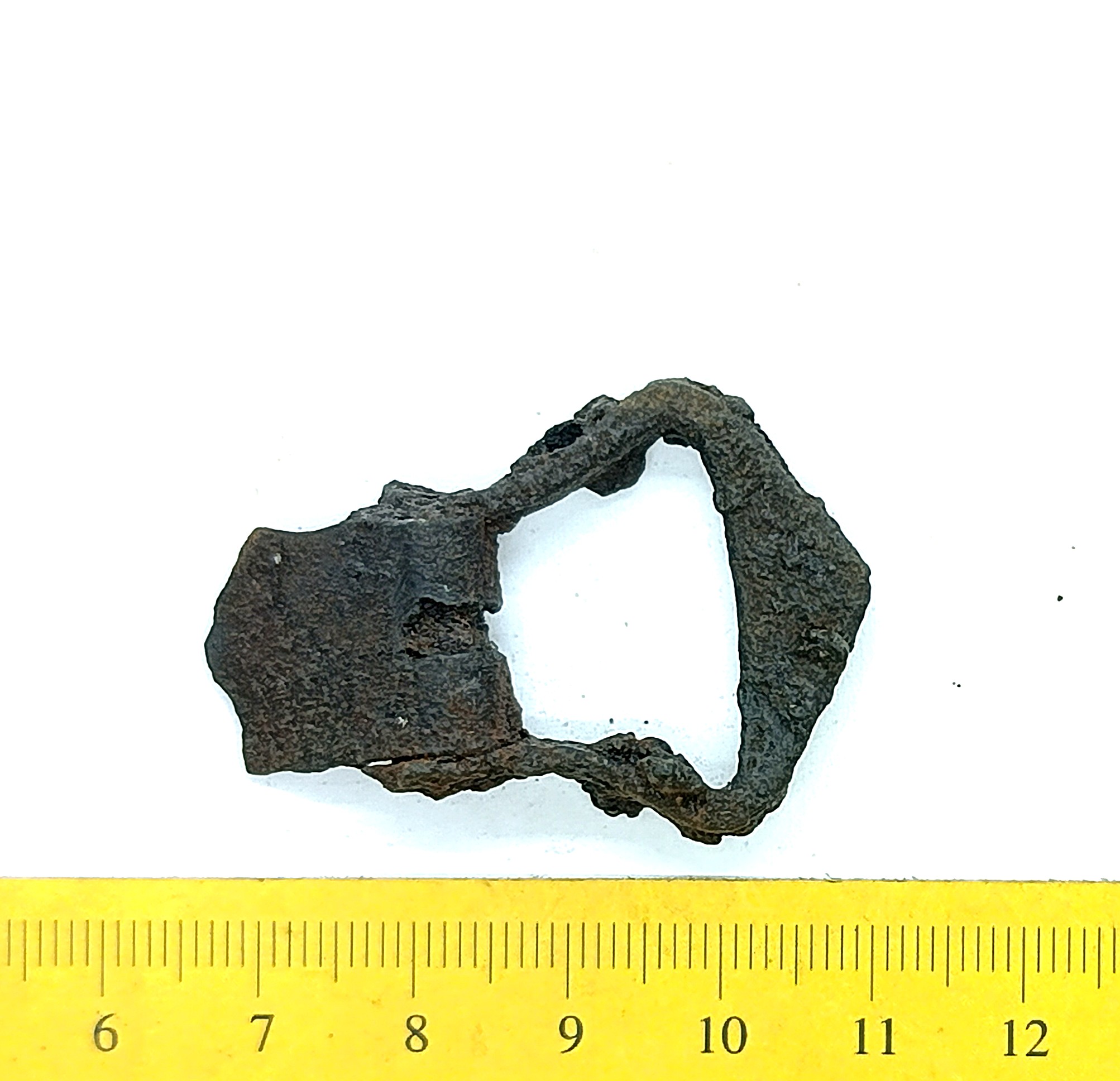
 Buckle, iron. Perhaps part of bridles. This type of buckles usually includes a simple iron belt strap. They have been found mainly in stone graves and are not dated more precisely.
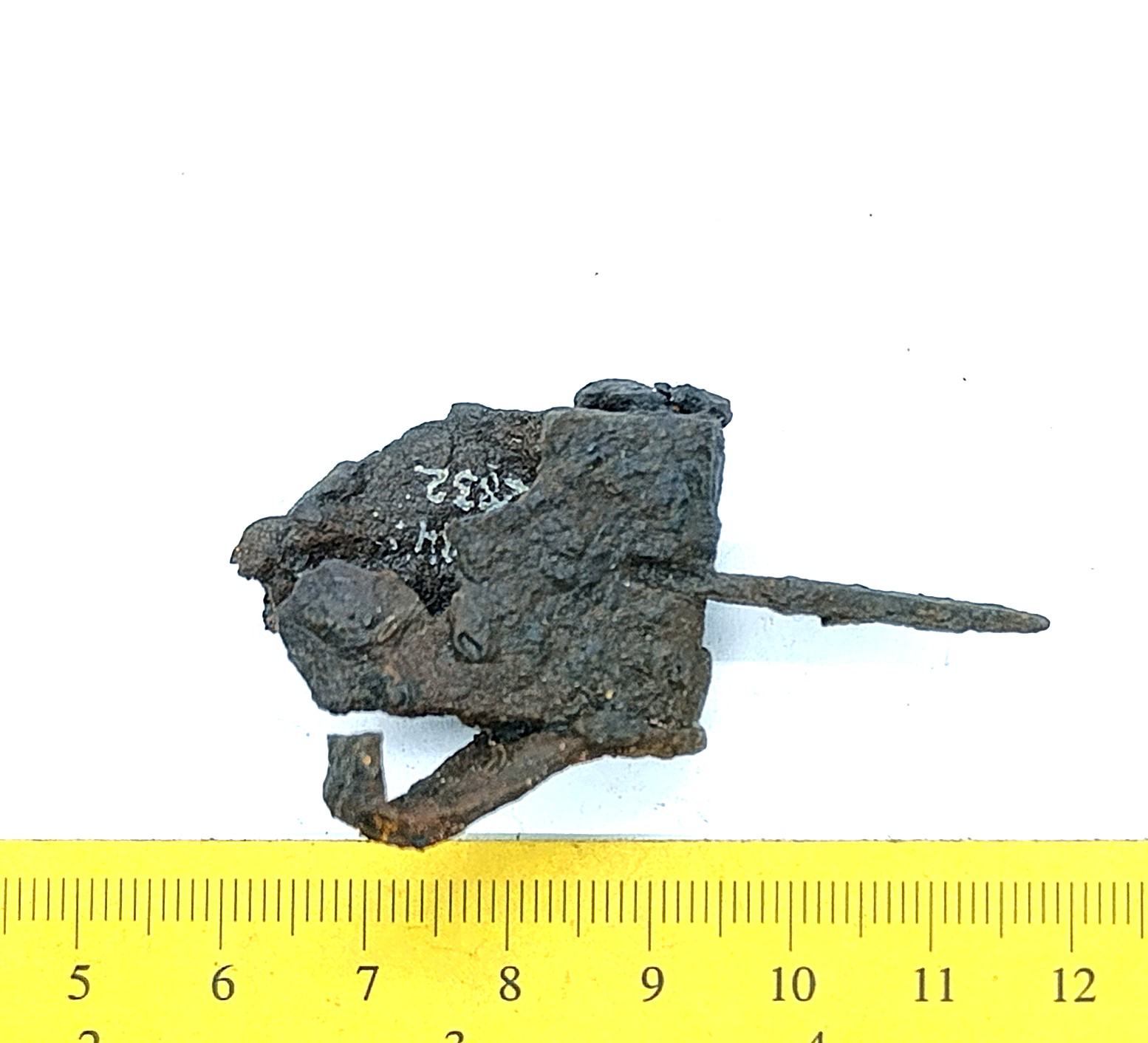
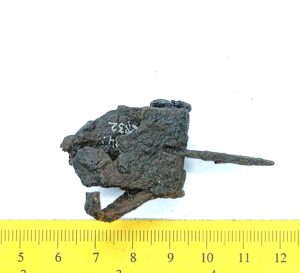
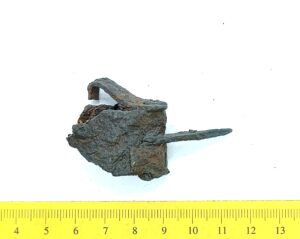 Buckle, iron. Perhaps part of bridles. This type of buckles usually includes a simple iron belt strap. They have been found mainly in stone graves and are not dated more precisely.

